Ultra Premium Olive Oil
10 Entertaining Pairing Examples Guests Love
Sep
A good gathering rarely needs an elaborate menu. It needs a few thoughtful contrasts: creamy and bright, salty and sweet, warm and crisp. These entertaining pairing examples turn premium olive oils and balsamic vinegars into the kind of easy, abundant spread that invites guests to linger near the table.
The secret is not putting every flavor on every plate. Choose one oil or vinegar as the lead, then give it foods that let its personality show. A peppery extra virgin olive oil needs something rich or starchy. A lush dark balsamic likes fruit, cheese, and caramelized edges. Bright white balsamic vinegars bring lift to seafood, herbs, and sparkling drinks.
Start With Balance, Not a Huge Menu
Before choosing individual bites, think about the experience of the table. Build around two or three flavor directions rather than opening every bottle at once. For example, a citrusy olive oil, a traditional dark balsamic, and a fruit-forward white balsamic cover a surprising amount of ground.
Offer small tasting dishes with bread so guests can taste an oil or vinegar on its own. Fresh extra virgin olive oil should smell grassy, fruity, or herbaceous, and often finishes with a pleasant peppery sensation. That lively finish is a sign of freshness and natural olive compounds, not a defect. Once guests taste the difference, the pairings that follow feel more intentional.
Keep portions modest and replenishable. A crowded board can be beautiful, but it is easier to enjoy when each item has enough space to be recognized, dipped, drizzled, or spooned onto a plate.
10 Entertaining Pairing Examples for a Better Spread
1. Peppery EVOO, warm bread, and flaky salt
This is the simplest pairing and still one of the most memorable. Pour a fresh, high-quality extra virgin olive oil into a shallow dish, add a pinch of flaky sea salt, and serve it with warm sourdough, focaccia, or a crusty baguette. The bread softens the oil’s bitterness and pepper, while the salt makes its fruitiness more obvious.
Choose a more delicate oil for mild, buttery bread. Bring out a bolder, early-harvest style when the bread has a darker crust or when you are serving roasted garlic alongside it.
2. Fig balsamic with blue cheese and walnuts
Blue cheese asks for sweetness, but it does not need a sugary sauce. A fig or dark berry balsamic offers depth, tang, and a ripe-fruit character that settles the cheese’s sharp edge. Add toasted walnuts and sliced pear or apple for crunch and freshness.
Serve this on a small cheese board rather than mixing everything together. Guests can decide whether they want a gentle drizzle or a more generous bite. If blue cheese feels too assertive for your crowd, use aged cheddar or a creamy goat cheese instead.
3. Lemon olive oil with shrimp and fresh herbs
Lemon fused olive oil makes chilled shrimp feel instantly more polished. Toss cooked shrimp with a little lemon olive oil, chopped parsley, a pinch of salt, and a few turns of black pepper. Arrange it with lemon wedges and a creamy aioli or white bean dip.
The oil carries citrus aroma without soaking the platter in lemon juice, so the shrimp stay sweet and tender. This pairing works especially well for a warm-weather patio gathering, when guests want something lighter than a rich appetizer.
4. Peach white balsamic and burrata
Burrata is rich enough to need acidity, but a harsh vinegar can overpower its delicate milkiness. Peach white balsamic gives you a softer, fragrant lift. Spoon it over burrata with ripe tomatoes, basil, torn prosciutto, and a drizzle of delicate extra virgin olive oil.
Use juicy summer tomatoes when they are at their best. In cooler months, swap them for roasted grapes or roasted cherry tomatoes. The goal is the same: creamy cheese, bright vinegar, silky oil, and a sweet-savory element.
5. Garlic olive oil with roasted mushrooms
Roasted mushrooms have the savory depth that makes guests reach for another piece of bread. Toss mushrooms with garlic olive oil, thyme, salt, and pepper, then roast until browned at the edges. Finish with a few drops of traditional balsamic vinegar just before serving.
The trade-off here is timing. Dress them too early and the vinegar can disappear in the oven. Add it at the end, and its sweetness and acidity sharpen the mushrooms without masking their earthiness.
6. Pomegranate balsamic with lamb meatballs
For a cocktail-party appetizer that feels substantial, serve small lamb meatballs with pomegranate balsamic. Brush the meatballs lightly after baking, or reduce the balsamic briefly until it clings like a glaze. A spoonful of minty yogurt on the side adds coolness and makes the spice profile feel balanced.
This is an ideal example of matching a fuller-bodied vinegar with a richer protein. Pomegranate’s tart fruit character cuts lamb’s richness more gracefully than a very sweet glaze would.
7. Blood orange olive oil with fennel and olives
A shaved fennel salad brings crunch and a clean anise note to a richer table. Dress it with blood orange olive oil, a small splash of white balsamic, salt, and pepper. Add orange segments, good olives, and shaved Parmesan if you want it to feel more substantial.
This pairing is particularly useful when your menu includes cheese, cured meats, or roasted nuts. The salad acts as a reset between richer bites, not just a decorative side dish.
8. Raspberry balsamic, goat cheese, and crostini
Raspberry balsamic is a natural partner for tangy goat cheese, but it becomes more interesting with a savory counterpoint. Spread goat cheese on toasted crostini, add a small spoonful of raspberry balsamic, and finish with cracked pepper or a fresh thyme leaf.
Do not overdo the drizzle. Premium balsamic has concentrated flavor, and a little gives the crostini a bright, jewel-like finish. For a heartier version, add thin slices of roasted beet or a curl of prosciutto.
9. Espresso balsamic with strawberries and mascarpone
Dessert pairings can be just as compelling as savory ones. Spoon mascarpone onto small plates or dessert cups, add sliced strawberries, and finish with espresso balsamic and a touch of dark chocolate. The vinegar’s acidity wakes up the berries, while its coffee notes make the dish feel more grown-up than standard strawberries and cream.
This works because balsamic is not merely sweet. Its tang keeps mascarpone from becoming heavy. If espresso balsamic is not your preference, a dark chocolate or blackberry balsamic can create a similarly elegant finish.
10. White balsamic spritzers with a grazing board
A vinegar-based spritzer gives guests a nonalcoholic option that still feels special. Add one part peach, grapefruit, or cucumber melon white balsamic to a glass with ice, then top with sparkling water. Garnish with a matching slice of fruit, cucumber ribbon, or herb sprig.
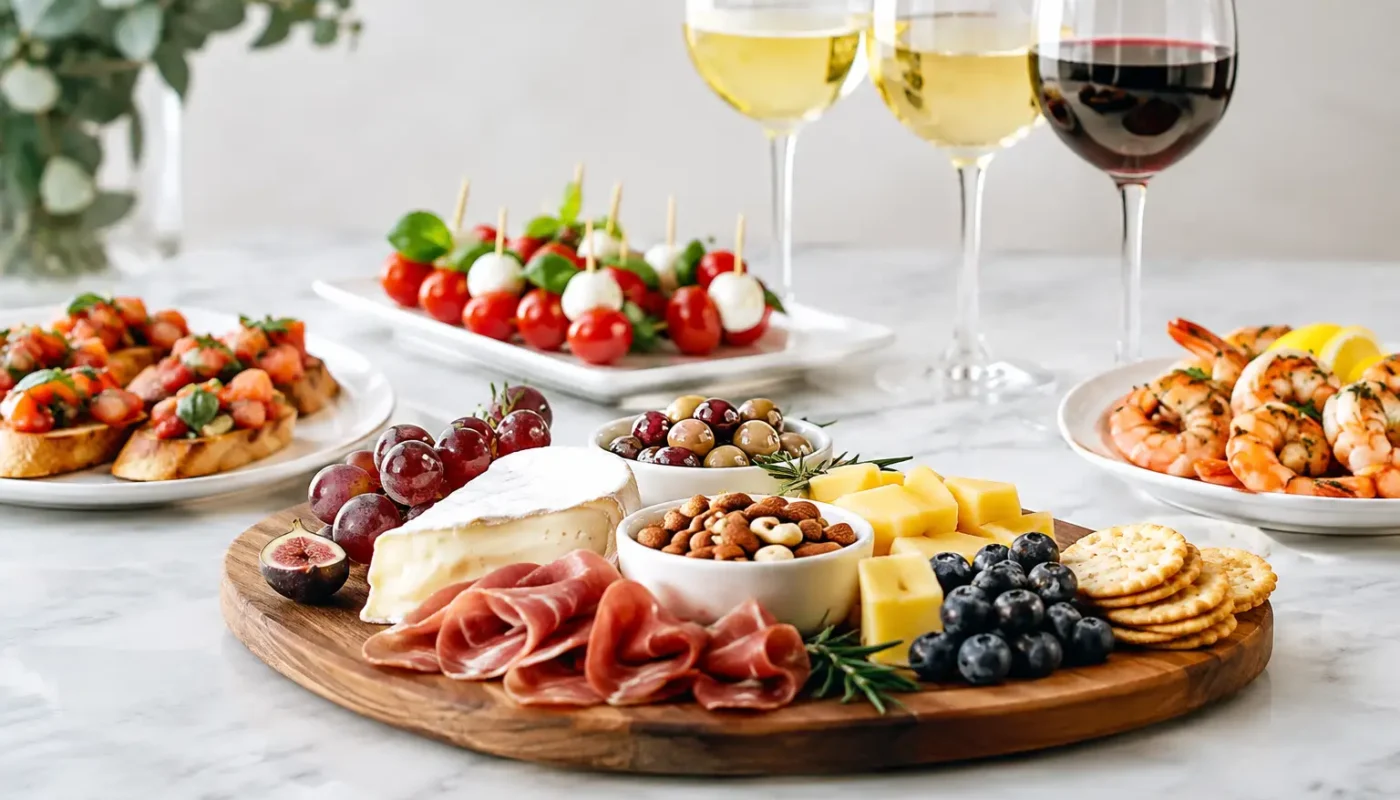
Set these beside a grazing board with marinated olives, almonds, mild cheeses, fresh fruit, and crackers. The crisp acidity refreshes the palate between bites, especially when the board includes salty foods. Taste first before adding more vinegar – the ideal amount depends on the sweetness and intensity of the variety.
Make the Pairing Station Feel Generous
The most successful entertaining spreads give guests a little agency. Label oils and vinegars clearly, place small spoons by thicker balsamics, and provide separate dishes for bread dipping. A few brief descriptions help: peppery and grassy, citrusy and bright, rich and figgy, sweet-tart and fruity.
Temperature matters, too. Keep olive oil away from direct sun or a hot stovetop, since heat dulls freshness. Bring cheese close to room temperature before serving, but wait to cut fruit until shortly before guests arrive. Those small details protect the flavor you paid for.
For hosts in Hagerstown, Frederick, and the surrounding region, a tasting-gallery approach can make even a casual weekend gathering feel special: one beautiful oil, one expressive vinegar, and foods chosen to honor both. Let guests taste, compare, and build their own favorite bite. That moment of discovery is often what they remember long after the last plate is cleared.
