
Extra Virgin Olive Oil, Infused Extra Virgin Olive Oil, Ultra Premium Olive Oil, Uncategorized
Best Olive Oil for Bread Dipping
Jul
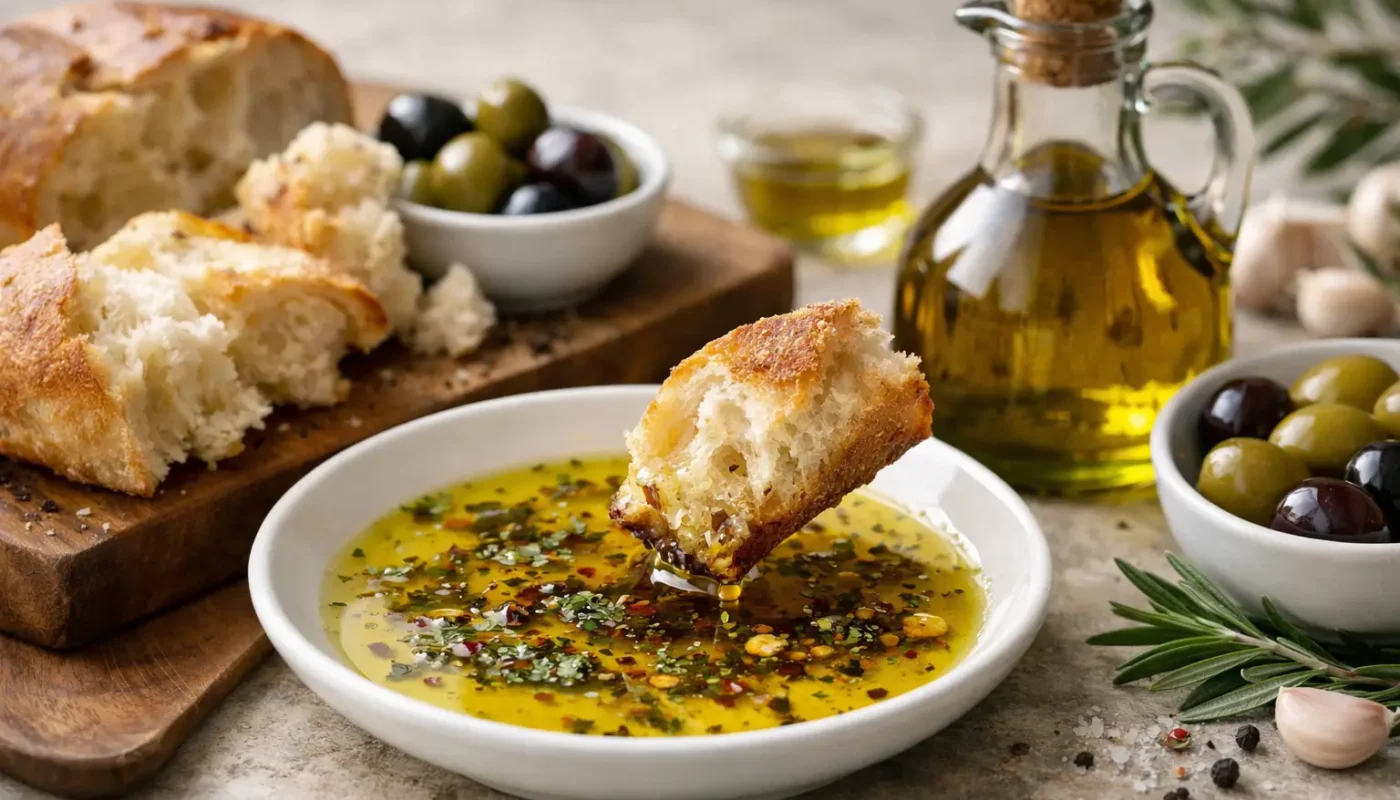
That first tear of warm bread into a shallow dish of olive oil tells you almost everything. If the aroma is grassy, fruity, and alive, you know you are in for something good. If it tastes flat, greasy, or oddly dull, even great bread cannot save it. Choosing the best olive oil for bread dipping is less about finding one universal bottle and more about picking an oil with freshness, balance, and enough character to stand on its own.
Bread dipping is one of the purest ways to taste olive oil because there is nowhere for flaws to hide. You notice the fruit first, then the texture, then the finish. A well-made extra virgin olive oil can taste green and peppery, soft and buttery, or bright with notes of fresh herbs, apple, almond, or tomato leaf. That range is exactly what makes dipping so enjoyable. It can be simple, but it never has to be boring.
What makes the best olive oil for bread dipping?
Start with extra virgin olive oil. For dipping, that is nonnegotiable. Extra virgin olive oil is made from fresh olives and mechanically extracted without the refining that strips away flavor and aroma. It should taste vibrant, not tired. If a bottle smells waxy, stale, or like old nuts, it is past its best or was never very good to begin with.
Freshness matters more than many shoppers realize. Olive oil is a fruit juice, and it behaves like one in the sense that its best qualities fade over time. Look for a recent harvest date when possible, not just a distant best-by date. A fresh oil brings the kind of flavor that makes people ask what you served, even when all you did was pour it into a dish.
Balance also matters. For bread dipping, you generally want an oil with enough fruitiness and pepper to feel lively, but not so intensely bitter that it overwhelms the bread. That does not mean bold oils are wrong. It just means the right choice depends on what kind of dipping experience you want.
Mild, medium, or bold: which style is best?
A mild extra virgin olive oil is a good place to start if you want broad appeal. These oils often have soft buttery notes, ripe fruit character, and very little bite. They are especially good for casual entertaining, for serving with a delicate loaf, or for guests who say they do not usually like olive oil with a strong peppery finish.
A medium-intensity oil is often the sweet spot for bread dipping. It gives you fresh olive flavor, some green notes, and a gentle peppery finish without taking over the plate. If you are setting out bread before dinner and want an oil that feels impressive but easy, this is usually the most crowd-friendly choice.
Bold oils are for people who love personality in the dish. These often bring grassy, herbaceous, or artichoke-like notes with a stronger bitter edge and a peppery kick at the back of the throat. That pepper is a sign of fresh polyphenols, which many olive oil lovers actively seek out. With rustic bread, flaky salt, and maybe a few olives on the side, a bold oil can feel restaurant-worthy.
The flavor profiles that shine with bread
If you are shopping specifically for dipping, look for tasting notes that sound vivid and savory. Grassy, herbaceous, green almond, tomato leaf, arugula, and artichoke can all be excellent. These flavors bring lift and complexity, especially with crusty bread that has some chew and structure.
Fruit-forward oils can also be lovely, especially when they have notes of green banana, apple, or stone fruit balanced by a peppery finish. They feel a little rounder and softer on the palate, which makes them easy to enjoy with simpler accompaniments.
Very delicate oils have their place, but they can disappear against strongly flavored bread or a heavily seasoned dipping plate. On the other hand, an aggressively bitter oil may dominate everything. The best olive oil for bread dipping usually lands in that happy middle where the bread supports the oil rather than competing with it.
Why origin matters, but not in the way people think
Many shoppers start by asking whether Italian olive oil is best for dipping. Italy certainly produces excellent oils, but so do California, Spain, Greece, Australia, Morocco, Peru, Turkey, and France. Origin can hint at style, but it does not guarantee quality on its own.
What matters more is how the olives were grown, harvested, milled, and stored. A carefully produced California extra virgin can easily outperform a generic imported bottle with a romantic label. A fresh, well-crafted oil from a respected producer will almost always give you a better dipping experience than a tired bottle chosen just for the country name.
That is one reason specialty olive oil shops are so useful. Instead of asking you to guess from shelf packaging alone, they help you choose by harvest, intensity, and flavor profile.
Should you dip with plain olive oil or season it?
Plain olive oil is the best way to appreciate quality. If the oil is excellent, it does not need anything else. Fresh bread and a small pour are enough.
That said, seasoning can be delicious when done with restraint. A pinch of flaky sea salt can wake up fruitiness and make the finish feel longer. Fresh cracked black pepper, a little grated Parmesan, minced herbs, or a touch of chili flake can all work, but they should support the oil, not cover it up.
Balsamic is where people sometimes go too far. A drizzle of good balsamic with olive oil can be wonderful, especially for a more composed appetizer, but it turns the experience into a pairing rather than a pure olive oil tasting. If you are serving a premium extra virgin for dipping, taste it plain first.
Bread matters more than people expect
The best olive oil for bread dipping can still fall flat if the bread is wrong. A crusty baguette, ciabatta, rustic sourdough, or country loaf gives the oil texture to cling to and enough substance to carry the flavor. Bread that is too soft or sweet can make the whole plate feel one-dimensional.
Warm bread is especially inviting because it releases aroma and softens the texture just enough for the oil to soak into the crumb. If you are entertaining, serve the bread slightly warm, sliced but not too thin, and let the oil be the star.
How to spot quality before you taste
Good olive oil packaging tells a story, but the details matter. Dark glass or tins help protect the oil from light. A harvest date is a strong sign that the producer cares about freshness. Terms like extra virgin should be clear, but beyond that, pay attention to whether the brand offers real information about flavor, intensity, and sourcing.
Price can be a clue, too. Premium extra virgin olive oil costs more to produce than commodity oil. That does not mean the most expensive bottle is automatically the best, but a suspiciously cheap bottle is rarely a great choice for dipping, where the flavor has nowhere to hide.
If you can buy from a retailer that focuses on fresh, tasting-quality oils, even better. Shops like Weyira Olive Oil & Vinegar make it easier to choose oils by style and use instead of leaving you with a label and a guess.
A few common mistakes when choosing dipping oil
One mistake is picking an oil labeled only as light. In olive oil, light usually refers to flavor or refining, not quality for dipping. It will not give you the aromatic depth you want.
Another is saving an opened bottle too long. Once opened, olive oil slowly loses its brightness. If you reserve a special bottle for occasional dipping, store it tightly sealed in a cool, dark place and use it while it still tastes lively.
The last mistake is assuming everyone wants the same profile. Some guests love a bold peppery oil that catches in the throat. Others prefer something rounder and softer. If you entertain often, keeping one medium and one robust extra virgin on hand is a smart move.
The best olive oil for bread dipping depends on the moment
For a quiet night at home with a warm loaf, a medium-intensity extra virgin with grassy, fruity notes and a clean pepper finish is hard to beat. For a dinner party, a balanced oil that feels vivid but approachable will please the most people. For serious olive oil lovers, a bold, high-polyphenol extra virgin with real bitterness and spice can turn bread service into the most memorable part of the table.
That is the real pleasure here. Bread dipping is simple, but it is also a small tasting ritual. When the oil is fresh, well-made, and matched to your taste, it turns an everyday loaf into something worth slowing down for. The best bottle is the one that makes you reach for another piece of bread before dinner even starts.
