
Ultra Premium Olive Oil
White Balsamic vs Rice Vinegar: Which to Use
Nov
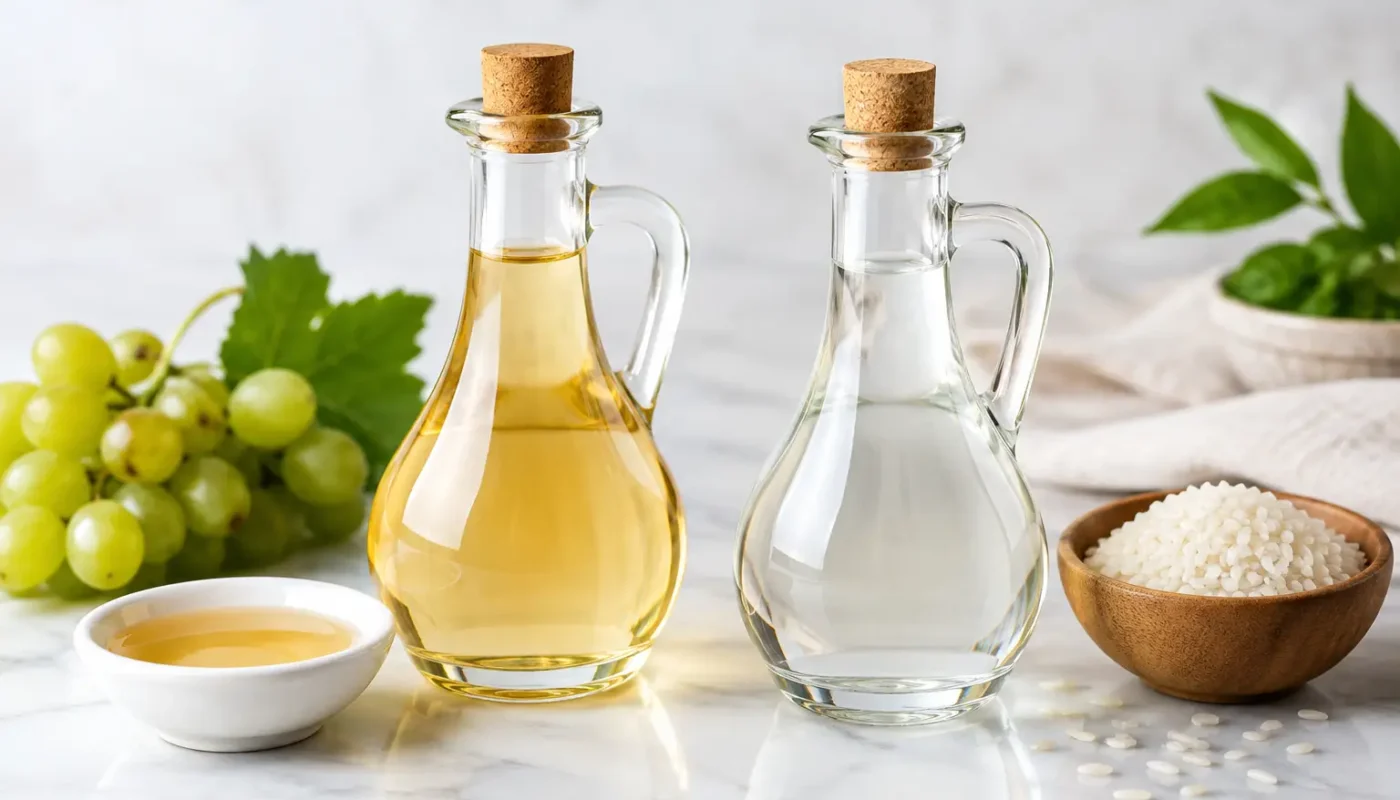
A pale vinegar can look interchangeable in a bottle, then take a recipe in two completely different directions. In the question of white balsamic vs rice vinegar, the deciding factor is not color. It is the balance of sweetness, acidity, aroma, and the kind of cuisine you want on the plate.
Both are useful pantry staples, especially when you want brightness without the deep color of traditional dark balsamic. But white balsamic brings ripe, fruit-forward complexity, while rice vinegar is typically gentler, cleaner, and more restrained. Knowing where each one shines makes it easier to build a vinaigrette, revive leftover grains, or give a weeknight marinade a more polished finish.
White Balsamic vs Rice Vinegar: The Essential Difference
White balsamic vinegar is made in the balsamic tradition from grape must and wine vinegar. Unlike dark balsamic, it is processed to preserve a light golden color rather than developing the rich brown hue associated with long cooking or aging. The result is a vinegar with noticeable sweetness, a rounded mouthfeel, and delicate notes that may suggest grapes, stone fruit, honey, or citrus depending on the variety.
Rice vinegar is made from fermented rice. It is a foundational ingredient in many East Asian kitchens, valued for its soft acidity and subtle sweetness. Plain rice vinegar is usually clear to pale gold, with a light, clean profile that supports other ingredients rather than announcing itself. Seasoned rice vinegar is different: it commonly includes added sugar and salt, so it should not be substituted blindly for unseasoned rice vinegar.
That difference in personality matters. White balsamic is often the better choice when vinegar should contribute flavor as well as acidity. Rice vinegar is ideal when you want lift, balance, and tenderness without a pronounced fruity note.
How Sweetness and Acidity Change a Dish
White balsamic usually tastes sweeter than rice vinegar, even when the label does not list added sugar. Its grape must provides natural sweetness and body, making it especially appealing in dressings for peppery greens, roasted vegetables, fruit, and cheeses. It can soften bitter radicchio, brighten shaved fennel, and bring a glossy finish to a pan sauce without requiring much extra sweetener.
Rice vinegar tends to have a quieter flavor and a gentle tartness. It is excellent in dishes where ingredients such as ginger, sesame, soy sauce, scallions, garlic, or chile deserve center stage. A splash in cucumber salad makes the vegetables taste fresher rather than overtly vinegary. In sushi rice, its delicate profile seasons the grains without masking the fish or other toppings.
Acidity varies from bottle to bottle, so taste is more useful than relying on a general rule. A premium white balsamic may feel lush and sweet but still offer enough tang to create a lively vinaigrette. Rice vinegar may be mild enough that a dressing needs a little more volume, salt, or citrus to feel complete.
When to Reach for White Balsamic
Choose white balsamic when you want a vinegar with presence. It is particularly lovely in preparations where dark balsamic would be delicious but visually distracting, such as a cream sauce, pale bean salad, cauliflower dish, or lemony chicken marinade.
Try it whisked with extra virgin olive oil, Dijon, shallot, and a pinch of salt for a versatile house vinaigrette. Its gentle sweetness also pairs naturally with fresh berries, peaches, melon, apples, and pears. Drizzle a fruit-forward white balsamic over grilled peaches with mascarpone, or use it to dress an arugula salad with goat cheese and toasted walnuts.
White balsamic is also a smart choice for entertaining because it feels immediately special without being fussy. A well-made bottle offers layers that grocery-store white wine vinegar often lacks. At Weyira Olive Oil & Vinegar, this is part of the pleasure of tasting premium vinegars: one variety may lean crisp and citrusy, while another may bring a more rounded, honeyed finish.
When Rice Vinegar Is the Better Tool
Use rice vinegar when the goal is clean balance. It is the natural fit for quick pickles, slaws, rice bowls, noodle salads, dipping sauces, and stir-fry sauces. Its mildness lets crunchy vegetables stay crisp and fresh-tasting, particularly when paired with a little sugar, salt, and aromatic ingredients.
For a quick cucumber pickle, rice vinegar is hard to beat. Combine it with salt, a small amount of sugar, and sliced cucumbers, then add sesame seeds or red pepper flakes if you like. The flavor remains light enough to serve beside rich grilled meats, salmon, or a bowl of spicy noodles.
Rice vinegar also performs beautifully in marinades where a strong acidic ingredient could overpower delicate proteins. Use it with tamari or soy sauce, fresh ginger, garlic, and a touch of toasted sesame oil for chicken, tofu, shrimp, or mushrooms. White balsamic would create a tasty marinade too, but its fruitier profile will shift the flavor away from classic Asian-inspired notes.
Can You Substitute One for the Other?
Yes, but the best substitution depends on the recipe. If a recipe calls for rice vinegar and you use white balsamic, expect more sweetness and grape-derived flavor. This can be wonderful in a salad dressing, but it may be less successful in sushi rice or a clean dipping sauce. Start with slightly less white balsamic, then taste before adding more.
If a recipe calls for white balsamic and you substitute rice vinegar, the dish may taste sharper, thinner, and less rounded. Add a small touch of honey, maple syrup, or fruit preserves to replace some of white balsamic’s natural richness. This approach works nicely for simple vinaigrettes and marinades, though it will not fully replicate a quality white balsamic’s aromatic depth.
Be especially careful with seasoned rice vinegar. Because it contains salt and sugar, it can make a dressing overly salty or sweet before you have added any other seasoning. For the most control, use unseasoned rice vinegar when cooking and adjust the dish yourself.
Pairing Each Vinegar With Olive Oil
The olive oil you choose can make either vinegar taste even better. A delicate extra virgin olive oil with buttery or almond-like notes pairs gracefully with white balsamic in salads featuring tender greens, avocado, chicken, or fresh mozzarella. A vibrant, peppery EVOO creates more contrast and is excellent with white balsamic over roasted squash, carrots, or grilled vegetables.
Rice vinegar often benefits from oils that complement its quiet character. Toasted sesame oil is the obvious partner for an Asian-inspired dressing, but use it sparingly because it is intensely aromatic. For a lighter vinaigrette, combine rice vinegar with a mild extra virgin olive oil, grated ginger, and a little soy sauce. The olive oil gives the dressing body without turning it heavy.
A useful starting point for either vinegar is three parts oil to one part vinegar. From there, adjust for the ingredients on your plate. Rich foods may welcome more acidity; naturally sweet vegetables may need less. Taste with the actual salad, grain, or protein rather than judging the dressing only from a spoon.
A Simple Way to Choose at the Shelf
Ask what role you want the vinegar to play. If you want soft, fruity complexity that can stand beside olive oil, cheese, roasted produce, or fruit, reach for white balsamic. If you want a clean, mild tang that supports ginger, sesame, soy, herbs, or crisp vegetables, choose rice vinegar.
There is room for both in a thoughtful pantry. White balsamic turns ordinary salads and vegetable dishes into something a little more generous, while rice vinegar brings precision to bright, savory meals. Keep each within reach, taste as you cook, and let the ingredients tell you which kind of brightness they need.
