Ultra Premium Olive Oil
Balsamic Vinegar Sugar Explained for Home Cooks
Aug
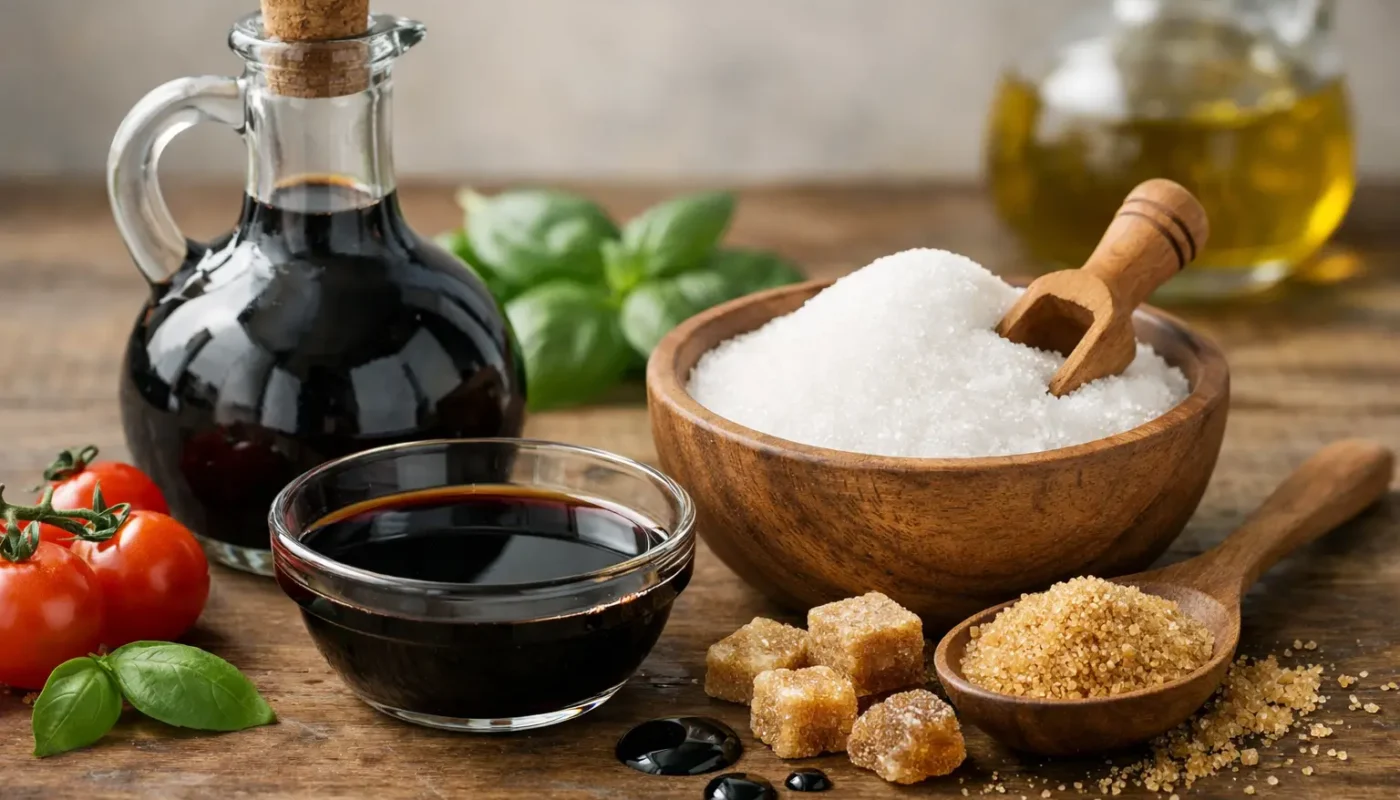
A spoonful of dark balsamic can taste almost syrupy over strawberries, roasted vegetables, or a wedge of aged cheese. That naturally raises a fair question: how much balsamic vinegar sugar is actually in the bottle? The answer depends on the vinegar’s ingredients, style, and serving size – and it is more nuanced than sweetness alone.
Balsamic vinegar earns its signature character from grapes. In a well-made bottle, sweetness, acidity, fruit, and aging should feel integrated rather than simply sugary. Knowing what to look for helps you choose a vinegar that suits the way you cook, whether that means bright everyday dressings or a small, luxurious pour over dessert.
Where balsamic vinegar sugar comes from
Traditional balsamic begins with grape must, the freshly pressed juice of grapes that includes skins, seeds, and pulp. Grape must contains natural sugars. As it is cooked and then aged, water gradually evaporates, concentrating both the fruit flavor and those naturally occurring sugars. Fermentation and aging add acidity and complexity, creating the sweet-tart balance that makes balsamic so distinctive.
That is why a quality balsamic can taste round, figgy, raisiny, or almost caramel-like without needing to resemble a sugary sauce. Its sweetness should have depth. You may notice grape, dried cherry, plum, cocoa, wood, or spice alongside a clean acidic finish.
Not every balsamic follows the same production path, however. Some commercial products may include caramel color, thickeners, sweeteners, or grape must concentrate to create darker color, a thicker texture, or a sweeter flavor more quickly. That does not automatically make a product unusable, but it does make the ingredient panel worth reading, particularly if you are watching added sugars or want a more grape-driven flavor.
Natural sugar and added sugar are not the same thing
The sugars that begin in grape must are naturally present in the fruit. Added sugars are ingredients incorporated later to increase sweetness. On a Nutrition Facts panel, total sugars may include both naturally occurring and added sugars, while added sugars are listed separately on newer US labels.
For shoppers, the practical distinction is simple: look beyond the front label. A bottle described as “sweet” or “glaze-like” may deliver exactly what you want for a quick appetizer, but it is not necessarily the same as an aged balsamic whose sweetness developed through grape concentration and time.
How much sugar is in balsamic vinegar?
There is no single number for all balsamic vinegars. A typical serving is one tablespoon, and sugar can vary considerably by style and brand. Many standard balsamic vinegars have a modest amount per tablespoon, while dense, aged, or reduced products can have noticeably more because their grape solids are concentrated.
A true balsamic reduction is an especially important exception. Simmering vinegar reduces its water content, making the flavor thicker, sweeter, and more intense. It can be wonderful drizzled over grilled peaches, pork tenderloin, caprese salads, or vanilla gelato, but it should be treated as a finishing ingredient rather than a free-pouring salad vinegar.
The same principle applies to balsamic glazes. They are designed to cling to food and provide dramatic sweet-tart contrast. Depending on the product, they may contain more sugar or other thickening ingredients than straight vinegar. Their convenience is appealing, but a premium balsamic used sparingly can often give you a more layered finish without the heaviness of a glaze.
Why the label can be confusing
Flavor is not a reliable measure of sugar. Acidity changes how we perceive sweetness, so two vinegars with similar nutrition information may taste very different. One may be sharp and winey; another may seem lush and mellow because its acidity is softer or its aging notes are more developed.
Thickness can be misleading, too. A naturally concentrated, aged balsamic may have viscosity, but a thick pour does not prove long aging or superior ingredients. Read the ingredient statement, compare serving sizes, and let your palate do some of the work. A good balsamic should offer a clear, balanced finish instead of a flat, candy-like sweetness.
Choosing balsamic vinegar with confidence
Start with how you plan to use it. For everyday vinaigrettes, marinades, and pan sauces, a balanced dark balsamic with lively acidity is often the most versatile choice. It brings enough natural sweetness to soften bitter greens and balance savory foods, especially when paired with a fresh extra virgin olive oil.
For cheese boards, grilled vegetables, berries, and finishing dishes, reach for a richer, more concentrated balsamic. A few drops can transform a bite of Parmigiano-Reggiano, fresh ricotta, roasted beets, or ripe melon. Because the flavor is concentrated, the bottle tends to last longer than you might expect.
When comparing options, look for a short, understandable ingredient list. Grape must and wine vinegar are common components of balsamic-style vinegar. If avoiding added sugar matters to you, check the Nutrition Facts panel and ingredient list rather than relying on terms such as “aged,” “classic,” or “premium.” Those descriptions can be helpful, but they are not a substitute for the details on the bottle.
For anyone managing blood sugar, portion size still matters. Balsamic vinegar is usually used in small amounts, yet a sweet reduction can add up more quickly than a splash in a salad dressing. Individual dietary needs vary, so it is wise to use label information and guidance from a qualified health professional when needed.
Use sweetness as a cooking tool
Balsamic’s natural sweetness is not something to fear or mask. It is one of the reasons it works so well in the kitchen. The key is balancing it with salt, fat, heat, and acidity.
In a vinaigrette, whisk balsamic with extra virgin olive oil, a pinch of salt, and a little Dijon mustard. The oil rounds out the acidity, while the mustard helps the dressing come together. If the vinegar is especially sweet and dense, use slightly less than you would with a brighter, thinner style.
In savory cooking, balsamic can replace some of the sweetness you might otherwise add with honey or brown sugar. A small splash in a mushroom pan sauce, lentil soup, or roasted onion dish provides fruit and acidity at once. Add it near the end so its aroma stays fresh and its sweetness does not dominate.
With fruit, the pairing is even more direct. Strawberries with a restrained drizzle of balsamic and a crack of black pepper are a classic for a reason. The vinegar amplifies the fruit’s aroma while its acidity keeps the dish from tasting one-note. A quality bottle makes restraint easy: you need only enough to create contrast.
A better way to think about balsamic vinegar sugar
Rather than asking whether balsamic is simply high or low in sugar, consider what that sweetness is doing in the bottle and on the plate. Is it coming from grape must and careful concentration? Is it balanced by acidity? Does it add dimension to the food, or does it cover everything in a generic sweetness?
That perspective makes shopping more enjoyable and cooking more intuitive. At Weyira Olive Oil & Vinegar, we believe the best pantry ingredients invite a little tasting and experimentation. Pour a few drops beside a good olive oil, taste them with bread or a slice of apple, and notice how a well-balanced balsamic brings brightness, fruit, and a satisfying finish to even the simplest foods.
