
Ultra Premium Olive Oil
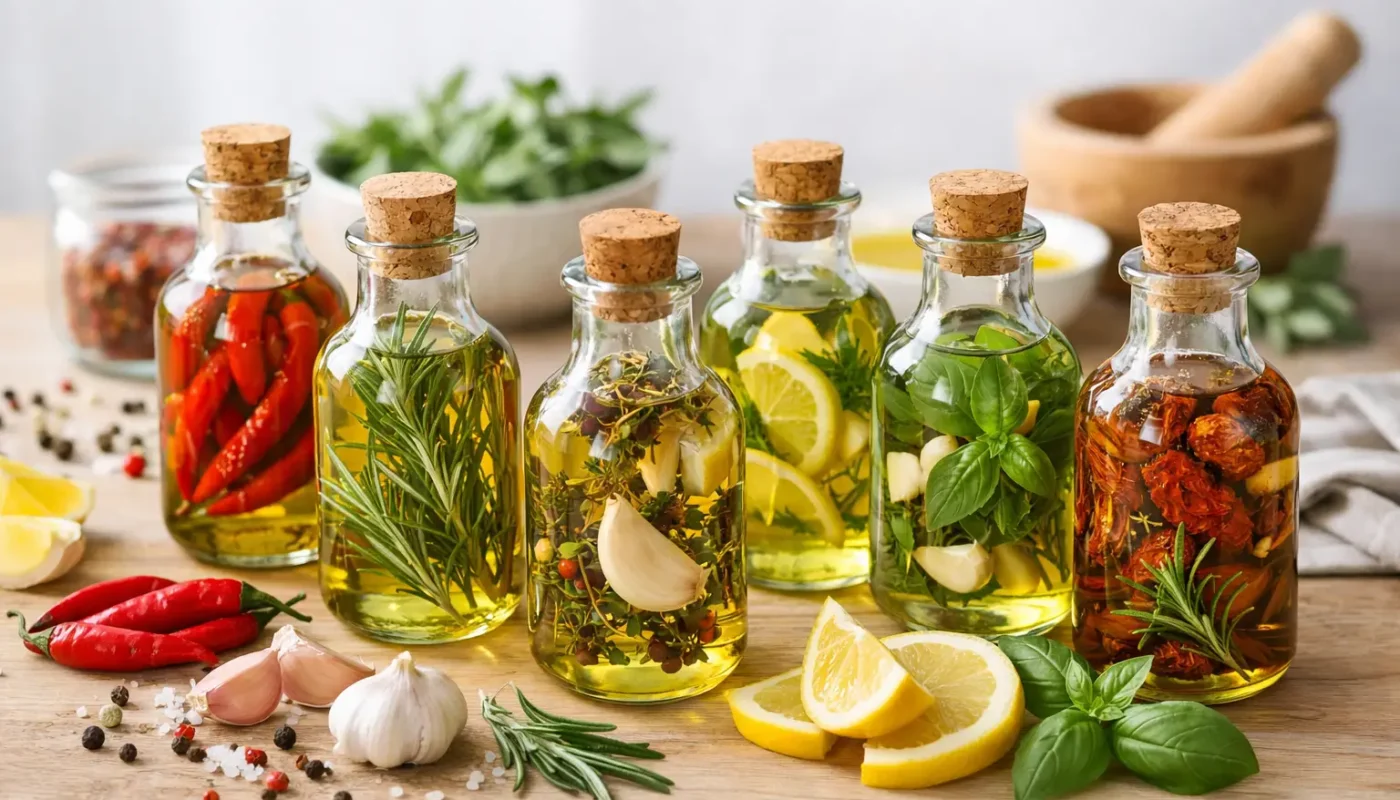
6 Flavored Oil Recipes for Brighter Cooking
Sep
A good bottle of olive oil already has a story in its aroma: fresh-cut grass, ripe fruit, pepper, or a soft buttery finish. These flavored oil recipes build on that character rather than cover it up. With a fresh, premium extra virgin olive oil as your base, a few well-chosen ingredients can turn an ordinary vinaigrette, roasted vegetable tray, or grilled chicken dinner into something worth lingering over.
The key is restraint. Flavoring oil should make the olive oil feel more expressive, not taste like a heavily scented condiment. Start with an oil you would happily taste from a spoon, then choose flavors that complement its fruitiness and natural peppery bite.
Flavored Oil Recipes Start With a Great Base
Extra virgin olive oil is the natural choice for most homemade flavored oils because it brings its own flavor, along with the richness that makes an infused oil satisfying on the plate. A delicate, buttery olive oil is lovely with citrus and vanilla-like warm spices, while a more robust, peppery oil stands up to rosemary, chile, and garlic.
Use a clean, completely dry glass jar or bottle. Moisture is the enemy of a quality flavored oil, both for flavor and food safety. Dried herbs, dried chiles, whole spices, and dried citrus peel make the most dependable pantry-style infusions. Fresh garlic, fresh herbs, and fresh citrus zest make beautiful short-term oils, but they must be refrigerated and used promptly.
For all of the recipes below, gently warming the oil helps carry flavor without cooking away the olive oil’s personality. Keep the heat low. You want a subtle shimmer, never smoking oil. Let the mixture cool completely before bottling.
Lemon, Thyme, and Black Pepper Oil
This bright finishing oil earns a place beside roasted potatoes, grilled fish, white bean salad, and spring vegetables. In a small saucepan, combine 1 cup extra virgin olive oil, the wide strips of peel from one well-scrubbed lemon, 1 tablespoon dried thyme, and 1 teaspoon whole black peppercorns.
Warm over the lowest heat for 10 to 15 minutes, then remove from the heat and let stand for 30 minutes. Strain through a fine sieve and store in the refrigerator. The lemon should smell sunny and clean, while the thyme brings an earthy note that keeps the oil from becoming too sharp.
Try it with a white balsamic vinegar for an easy salad dressing, or spoon it over warm ricotta with flaky salt and grilled bread. If you prefer a more pronounced citrus flavor, use dried lemon peel rather than fresh peel and let the oil infuse for a day before straining.
Rosemary and Roasted Garlic Oil
Few combinations feel more generous at the table than rosemary, garlic, and olive oil. This version is made for dipping crusty bread, brushing onto grilled lamb, or tossing with cannellini beans and sautéed greens.
Place 1 cup olive oil, 2 tablespoons dried rosemary, and 4 to 6 cloves of roasted garlic in a saucepan. Warm gently for 10 minutes, then cool and strain. Roasted garlic gives the oil a mellow, sweet depth, unlike raw garlic’s sharper heat.
Because garlic contains moisture, refrigerate this oil immediately and use it within three days. Do not leave garlic oil at room temperature or package it as a shelf-stable gift. For a longer-keeping garlic-style oil, choose a high-quality garlic-infused olive oil and add dried rosemary for a quick, low-risk variation.
Calabrian Chile and Orange Oil
A little heat makes rich foods taste lighter. For this recipe, warm 1 cup olive oil with 1 to 2 teaspoons crushed dried Calabrian chiles or red pepper flakes, 1 tablespoon dried orange peel, and a small strip of cinnamon bark. Let the oil rest off heat for 30 minutes, then strain.
The orange softens the chile’s edge, and the cinnamon is there only as a background warmth. Use the lesser amount of chile if the oil will be shared at the table, then add more flakes to individual portions for people who like serious heat.
This is especially good over pizza, roasted cauliflower, grilled shrimp, and dark chocolate ice cream with a pinch of sea salt. Pair it with a dark, fruity balsamic vinegar for a glaze on roasted carrots or pork tenderloin.
Toasted Fennel and Coriander Oil
This aromatic oil has a subtle licorice note from fennel and a citrusy lift from coriander. It is an unexpected but polished choice for seafood, carrots, beets, and grain salads.
Toast 2 teaspoons fennel seeds and 2 teaspoons coriander seeds in a dry skillet over medium-low heat until fragrant, about two minutes. Do not let them darken too much. Lightly crush the seeds, then combine them with 1 cup olive oil and warm gently for 10 minutes. Cool, strain, and refrigerate.
Drizzle this oil over shaved fennel with orange segments, or whisk it with champagne-style white balsamic vinegar for a dressing that makes simple greens feel restaurant-worthy. The flavor develops overnight, so it is often even better on day two.
Four More Flavored Oil Ideas for Your Pantry
Some flavors need almost no recipe at all. They simply need a good oil and enough time to become acquainted. Use 1 cup olive oil for each combination, warm gently with the dried ingredients for 10 minutes, cool, and strain if desired.
- Basil and sun-dried tomato: Use 1 tablespoon dried basil and 2 tablespoons finely chopped dry-packed sun-dried tomatoes. Toss with pasta, mozzarella, or grilled zucchini.
- Sage and cracked pepper: Use 1 tablespoon dried sage and 1 teaspoon coarsely cracked black pepper. Brush onto butternut squash, pork chops, or mushrooms.
- Smoked paprika and cumin: Use 1 teaspoon smoked paprika and 1 teaspoon cumin seeds. Spoon over chickpeas, eggs, tacos, or roasted sweet potatoes.
- Bay leaf and chile: Use 3 dried bay leaves and 1 dried chile de árbol. This is a clean, savory oil for soups, beans, and grilled vegetables.
If you are using a premium fused or infused olive oil from Weyira Olive Oil & Vinegar, you can take a simpler route: begin with a flavor you love, then add one supporting accent. A lemon fused olive oil with dried thyme, for example, needs no additional citrus. A garlic olive oil becomes a quick rosemary finishing oil with just a small handful of dried herbs.
How to Use Flavored Oils Without Losing Their Flavor
Most homemade flavored oils shine after cooking, not during high-heat cooking. A spoonful over a finished dish delivers the aroma you worked to create. Use a neutral or regular olive oil for hard searing when needed, then finish with your lemon-thyme or chile-orange oil at the table.
For vinaigrettes, let the oil lead. Start with three parts flavored oil to one part vinegar, then season with salt and pepper. Sweet, dark balsamic is particularly good with chile, orange, rosemary, and smoked paprika oils. White balsamic vinegars tend to flatter lemon, basil, fennel, and lighter herb profiles.
Flavored oils also make thoughtful small gifts when made with dry ingredients only. Label the bottle with the flavor, the date, and a serving suggestion. Keep the presentation simple: a beautiful oil, a good salt, and one pairing idea are often more useful than an overstuffed gift basket.
Storage Matters as Much as Flavor
Store dried-ingredient oils in a cool, dark cabinet for up to two weeks for the freshest flavor, or refrigerate them for longer keeping. Olive oil may look cloudy in the refrigerator, which is normal. Let it sit at room temperature for a few minutes before serving.
Fresh garlic, fresh herbs, fresh zest, and other moist ingredients require more care. Keep those oils refrigerated, use them within three days, and discard them if they smell off or show any signs of spoilage. When in doubt, make a smaller batch. The pleasure of flavored oil is that it is easy to make again, in a flavor that suits whatever is coming out of your kitchen next.
