
Ultra Premium Olive Oil
Why Is My Olive Oil Cloudy? What It Means
Oct
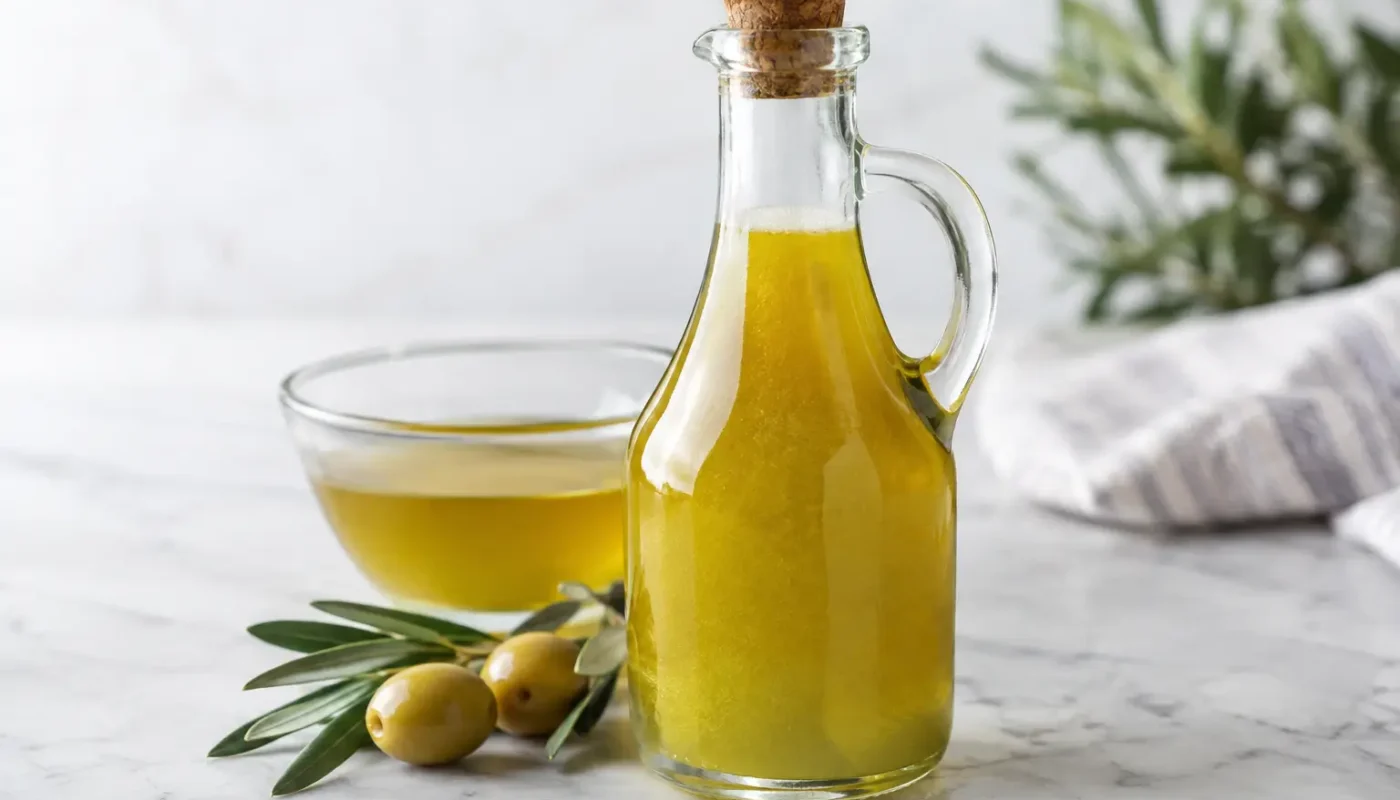
A beautiful bottle of olive oil can suddenly look less glamorous after a cool night in the pantry: pale wisps drifting through the bottle, a soft haze, or tiny crystals collecting at the bottom. If you are asking, why is my olive oil cloudy, the short answer is usually reassuring. Cloudiness is often a natural response to cooler temperatures, especially in fresh, high-quality extra virgin olive oil.
That said, not every cloudy bottle tells the exact same story. The appearance can come from cold, naturally occurring olive particles, or, less commonly, age and poor storage. Knowing the difference helps you enjoy every pour with confidence, whether you are finishing grilled vegetables, building a bright vinaigrette, or setting out bread and oil for guests.
Why Is My Olive Oil Cloudy After It Gets Cold?
Olive oil is not a single, uniform substance. It contains different natural fats and waxes, each with its own response to temperature. When the oil gets chilly, some of those components begin to solidify before others do. The result may be a cloudy appearance, floating flecks, or a thicker, almost buttery texture.
This can happen in a cold kitchen, an unheated delivery box, a refrigerator, or even a cabinet near an exterior wall during winter. Most olive oil starts showing changes somewhere around the mid-50s Fahrenheit, although the exact temperature varies by olive variety, harvest conditions, and whether the oil was filtered.
Cold haze does not mean the oil has gone bad. Let the bottle rest at normal room temperature, away from direct sunlight and heat. Over time, it should gradually clear as the natural fats return to liquid form. There is no need to shake it aggressively, microwave it, or place it in hot water. Gentle patience protects the oil’s fresh aroma and flavor better than rapid heating.
Cloudiness Can Also Come From Olive Sediment
A second common reason for a hazy bottle is fine olive sediment. Freshly pressed olive oil naturally contains microscopic bits of olive fruit, moisture, and pulp. Some producers filter these particles out, while others bottle oil with some sediment remaining to preserve a more immediate, just-milled character.
Unfiltered extra virgin olive oil often looks softly opaque rather than crystal clear. You may see a light deposit at the bottom of the bottle over time. This is not automatically a flaw. In a very fresh oil, it can be part of the authentic character of the pressing.
There is a trade-off, however. Moisture and fruit particles can shorten an oil’s ideal shelf life because they give oxidation and fermentation more opportunity to affect the flavor. That is why an unfiltered oil deserves especially thoughtful storage and timely enjoyment. If you choose one for its lush, rustic personality, use it generously rather than saving it indefinitely for a special occasion.
Filtered oils are often clearer and more stable, but clear does not automatically mean better. Filtration is a style and preservation choice, not a reliable shortcut to judging quality. The best bottle is one that tastes fresh, lively, and balanced for the way you plan to use it.
A cloudy bottle is not a freshness test
It is tempting to assume cloudy means fresh and clear means old, but olive oil is more nuanced than that. A filtered oil can be exceptionally fresh, and an unfiltered oil can be past its prime. Likewise, refrigeration has been suggested as a home freshness test, but it is not dependable. Oils vary naturally in their fatty-acid profiles, so they cloud and solidify at different temperatures.
Your senses are more useful than the bottle’s appearance. Fresh extra virgin olive oil should smell appealing and taste alive. Depending on its origin and variety, you may notice green grass, artichoke, tomato leaf, fresh herbs, almond, apple, or ripe fruit. A pleasant bitterness and a peppery tickle in the throat are often welcome signs of natural olive phenolics, particularly in robust oils.
When Cloudy Olive Oil May Be a Concern
Cloudiness caused by cold is harmless. Sediment in a recently bottled unfiltered oil can be perfectly normal, too. The question becomes more complicated when the oil is old, has been stored poorly, or smells and tastes unpleasant.
Olive oil does not spoil in the same way milk does, and it is not usually unsafe simply because it is past its best. Instead, it oxidizes. Exposure to oxygen, light, and warmth gradually dulls its aroma and creates rancid flavors. If a bottle smells like crayons, old nuts, putty, stale popcorn, or a neglected fryer, it has likely lost the vibrant character you want from premium olive oil.
Be cautious if the oil has a sour, wine-like, swampy, or fermented aroma, especially when paired with a heavy layer of sediment in an older bottle. These signs can point to defects rather than a simple cold-induced haze. In that case, replacing the bottle is the better culinary choice. No amount of seasoning can bring a tired oil back to life.
A little sediment is one thing. An oil that tastes flat, greasy, or unpleasantly stale is another. Trust your palate. Great olive oil should make food taste more like itself, not cover it with a dull, oily finish.
How to Store Olive Oil for Its Best Flavor
The goal is steady, moderate conditions. Store olive oil in a cool, dark cabinet, ideally around 57 to 70 degrees Fahrenheit. A cupboard away from the stove, oven, dishwasher, and sunny window is usually much better than a countertop display, even if the bottle is beautiful.
Dark glass or opaque packaging helps shield the oil from light. Keep the cap or pour spout closed when you are not using it, since oxygen exposure also works against freshness. For everyday cooking, it can be useful to keep a smaller bottle within reach and refill it from a properly stored larger container. This minimizes repeated exposure for the oil you are saving.
Avoid storing olive oil in the refrigerator unless your home is consistently very warm and you know you will use the bottle soon after it returns to room temperature. Refrigeration will not ruin it, but repeated chilling and warming can be inconvenient, make pouring difficult, and leave you wondering whether normal cloudiness is a problem. A cool pantry is generally the simpler choice.
Once opened, aim to enjoy the oil within a few months for the brightest flavor. Purchase a bottle size that matches your cooking habits. A smaller, fresher bottle used with abandon on soups, roasted fish, salads, pasta, and warm bread will deliver more pleasure than a large bottle that slowly fades in the back of a cabinet.
What to Do With a Cloudy Bottle Right Now
First, look at where the bottle has been. If it was delivered on a cold day or stored near a chilly spot, bring it into a temperate room and let it sit upright. Give it several hours, or overnight if needed, to clear naturally. If there is a layer of settled sediment, you can gently turn the bottle once or twice before pouring, or leave the sediment undisturbed if you prefer a cleaner pour.
Then taste the oil. Pour a small amount into a cup, warm it lightly in your hands, and take in the aroma before tasting. A fresh, flavorful oil is ready for the table regardless of whether it looks perfectly clear.
At Weyira Olive Oil & Vinegar, we think olive oil deserves the same curiosity you would bring to a fine vinegar, coffee, or wine. A cloudy bottle is often simply a reminder that this is a living agricultural product, shaped by olive variety, harvest, milling, filtration, and temperature.
Let appearance start the conversation, but let flavor make the final call. When your oil smells vivid, tastes clean, and brings a peppery, fruity lift to the food on your plate, a little cloudiness is nothing to worry about. It is simply time to pour generously and enjoy it.
