
Ultra Premium Olive Oil
Finishing Oil vs Cooking Oil Explained Clearly
Oct
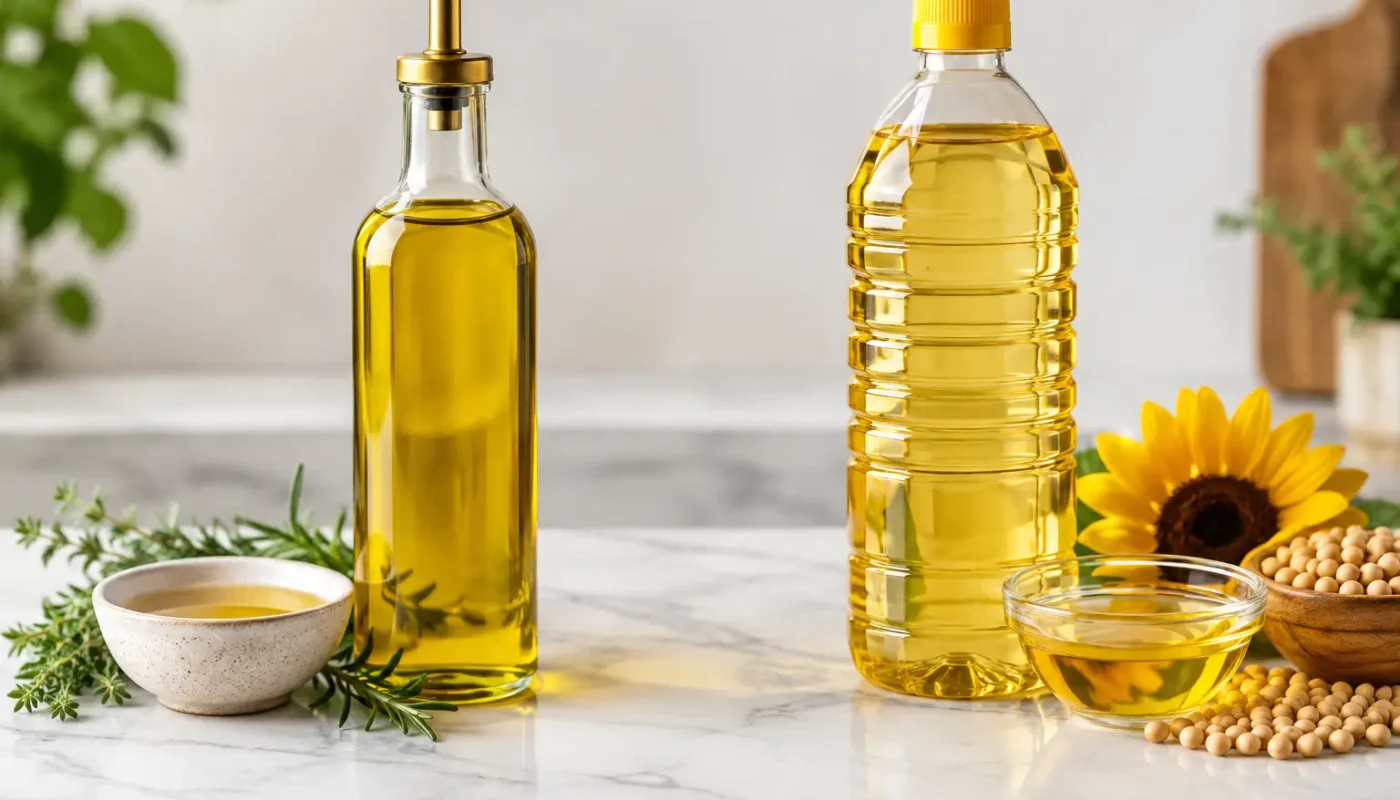
A golden pool of olive oil on warm soup, grilled vegetables, or fresh bread can change the whole dish. That last drizzle is not just decoration. In the question of finishing oil vs cooking oil, timing determines whether you taste an oil’s fresh fruitiness, peppery bite, delicate herbs, or toasted nuttiness – or simply use it as a dependable cooking fat.
Both have a place in a well-stocked kitchen. The best choice depends on your cooking temperature, the flavor you want on the plate, and whether the oil is meant to carry the dish or become part of its final personality.
What Is the Difference Between Finishing Oil and Cooking Oil?
Cooking oil is used during the cooking process: sautéing onions, roasting chicken, crisping potatoes, frying an egg, or building a sauce. Its job is practical as well as flavorful. It transfers heat, prevents sticking, encourages browning, and helps fat-soluble flavors bloom.
Finishing oil is added at the end, usually after heat is off or just before serving. It is chosen primarily for its aroma, texture, and distinct flavor. A high-quality extra virgin olive oil might bring green tomato, fresh-cut grass, almond, ripe fruit, or a pleasant peppery finish. An infused oil can add garlic, basil, lemon, chipotle, or blood orange without requiring another ingredient on the cutting board.
The categories overlap. Many oils can do both jobs. Extra virgin olive oil, for example, can be an excellent everyday cooking oil and an exceptional finishing oil. The distinction is less about a rigid product label and more about how you use the bottle.
Finishing Oil vs Cooking Oil: Heat Changes the Experience
Heat is the biggest dividing line. When oil warms in a skillet or oven, its flavor compounds shift. Delicate aromas soften or disappear, while richer, more integrated flavors can emerge. That is not automatically a problem. In fact, it is exactly what you want when oil is helping roast vegetables or sauté shallots.
But if you paid for a vivid, early-harvest extra virgin olive oil with a lively peppery finish, high heat may hide the qualities that make it special. Save at least some of that oil for the final drizzle, where its fresh character has room to shine.
This does not mean extra virgin olive oil is too fragile to cook with. Quality EVOO performs beautifully for many everyday tasks, including sautéing, roasting, baking, and gentle pan-frying. Its smoke point varies by freshness, composition, and quality, but it is generally suitable for common home-cooking temperatures. For sustained very high heat, such as aggressive searing or deep-frying, a more neutral, refined oil may be the more economical and practical choice.
Think of it this way: use the oil that makes sense for the heat, then use the oil that makes the finished dish memorable. Sometimes they are the same bottle.
When to Reach for a Cooking Oil
A cooking oil should fit the technique without fighting the food. Neutral oils are useful when you want the ingredients to lead, as in delicate cakes, crispy fried foods, or a high-heat stir-fry. Refined avocado, grapeseed, peanut, and canola oils are common choices for these applications, though each has its own flavor and heat tolerance.
Extra virgin olive oil is a natural choice when you want a savory base note. Use it to soften garlic, roast squash, brown mushrooms, or cook eggs. A medium-intensity EVOO is especially versatile because it brings flavor without overwhelming tender fish, vegetables, or grains.
For roasting, generous olive oil does more than keep vegetables from drying out. It helps their surfaces caramelize, carries spices evenly, and creates those deeply satisfying browned edges. A fragrant fused lemon olive oil can be lovely on chicken or asparagus headed for the oven, while a garlic-infused olive oil gives weeknight vegetables an easy, savory lift.
There is also a value consideration. If you are using a large volume of oil for frying or a long, high-heat cook, reserve your rarest, most expressive bottle for serving. A good everyday oil can handle the pan; your special oil can have the last word.
What Makes an Oil Worth Finishing With?
A finishing oil earns its place through character. You should be able to notice it, even in a small amount. Freshness matters enormously with olive oil. A fresh extra virgin olive oil has clarity and vitality, while old oil can taste flat, waxy, or stale. Look for an oil you would happily taste from a spoon.
A few drops of a robust EVOO can brighten lentil soup, tomato sauce, hummus, grilled steak, or a bowl of white beans. Its peppery sensation at the back of the throat is often a sign of naturally occurring phenolic compounds, particularly in fresher oils. A milder, buttery oil may be better for mozzarella, delicate seafood, vanilla ice cream, or baked fruit.
Infused and fused oils make finishing especially fun because they add concentrated flavor without extra prep. Basil olive oil wakes up a caprese salad. Blood orange olive oil is beautiful over roasted carrots or dark chocolate desserts. Tuscan herb olive oil can finish pizza, focaccia, or a platter of grilled vegetables. The right bottle can turn leftovers into something you are excited to serve.
Nut and seed oils deserve a mention here, too. Toasted sesame oil has a powerful aroma and is usually added in small amounts to noodles, rice, or dressings. Walnut oil brings a gentle richness to bitter greens, apples, blue cheese, and roasted beets. Because these oils can be more delicate, they are generally better used cool or with minimal heat.
Let the Dish Tell You Which Oil It Needs
Start by asking a simple question: do you want the oil to disappear into the cooking process, or do you want people to notice it at the table?
If you are making a vinaigrette, the oil is front and center. Choose a fresh EVOO with a flavor intensity that matches the other ingredients. Peppery arugula and balsamic vinegar can stand up to a robust olive oil. Butter lettuce, champagne vinegar, and tender herbs may call for something softer and fruitier.
If you are sautéing the base for a soup, the oil can be more restrained. You may still use olive oil, but its role is to build flavor rather than headline it. Then, once the soup is in the bowl, add a teaspoon of a more expressive finishing oil. This two-step approach creates depth during cooking and brightness at the end.
The same principle works with grilled food. Brush chicken, seafood, or vegetables lightly with an oil suited to cooking, then finish with a fresh drizzle after grilling. The final oil catches in the charred edges and brings back the aromatic notes that heat softened.
A Practical Two-Bottle Pantry Strategy
You do not need a cabinet full of oils to cook with more intention. Begin with two thoughtfully chosen bottles: one versatile oil for daily cooking and one flavorful oil you love enough to finish with.
For many home cooks, a medium extra virgin olive oil can cover both roles. It is a smart, flexible choice for sautéing, roasting, dressings, and bread dipping. Add a second bottle with a more distinctive profile, such as a robust early-harvest EVOO or a favorite fused citrus or herb olive oil, for moments when you want a dish to feel more composed.
Store both away from heat, direct light, and air. A beautiful bottle near the stove may be convenient, but prolonged heat can shorten an oil’s peak life. Buy quantities you will use while the oil is fresh, close the cap promptly, and trust your senses. Good oil should smell and taste inviting, not dull or greasy.
The Most Delicious Answer Is Often Both
Cooking with one oil and finishing with another is not fussy restaurant behavior. It is one of the simplest ways to build flavor at home. Use oil in the pan to create richness and browning, then finish with a small pour that brings fragrance, contrast, and a polished final taste.
Next time you roast a tray of vegetables, try it: cook them with your everyday olive oil, season well, then add a fresh drizzle of a peppery EVOO or a bright citrus-infused oil after they leave the oven. That last taste will tell you exactly why finishing oil belongs within reach.
