
Ultra Premium Olive Oil
Can Olive Oil Replace Butter? Yes, With Care
Oct
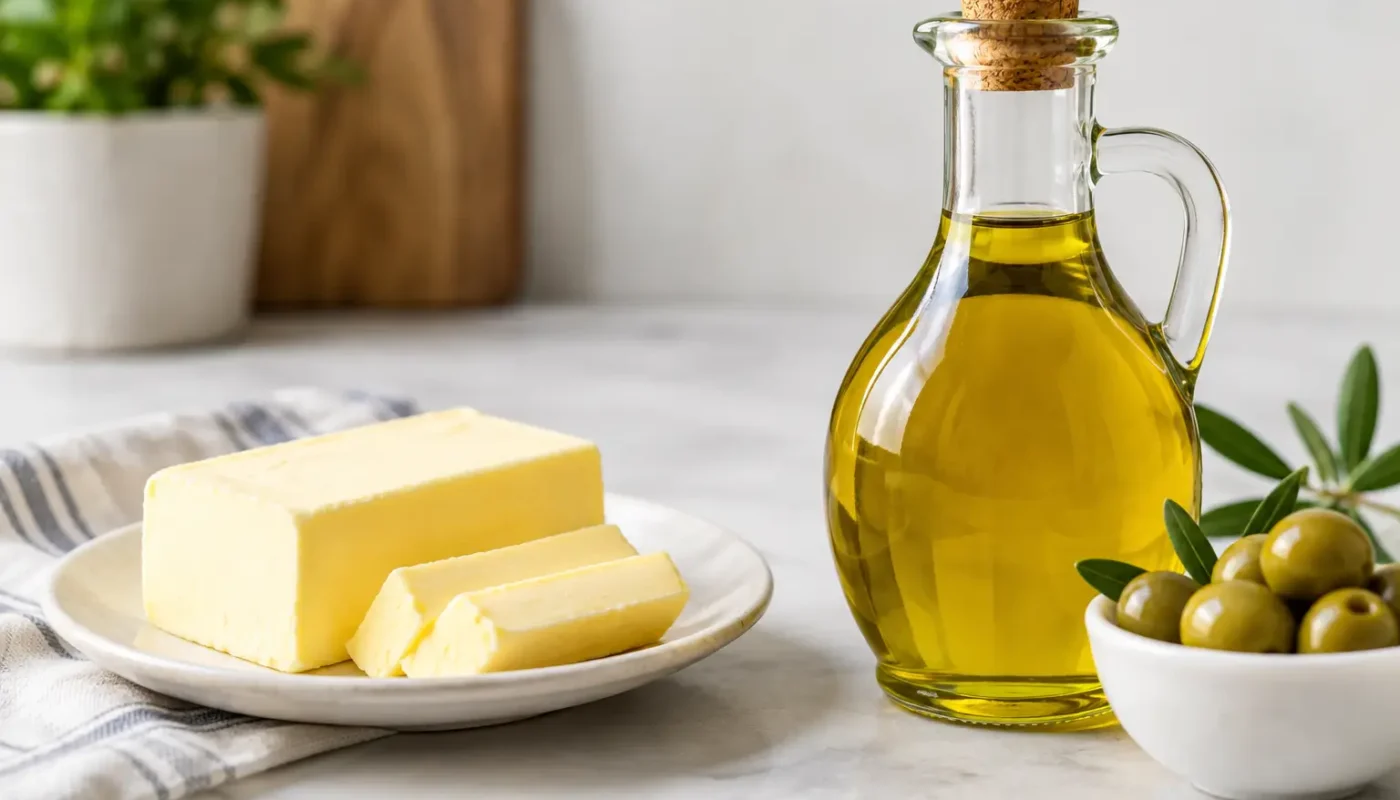
A golden, peppery extra virgin olive oil can do far more than dress a salad. It can give a weeknight sauté a cleaner finish, make a cake remarkably tender, and turn roasted vegetables into something worth serving to guests. But can olive oil replace butter in every recipe? Not quite. The best results come from knowing what butter contributes beyond fat – and choosing an olive oil whose flavor belongs in the dish.
Butter brings richness, water, milk solids, and a distinct dairy flavor. Olive oil brings pure fat, a fluid texture, and, when it is fresh and well made, aromas that can range from grassy and herbaceous to delicate, fruity, and peppery. They overlap beautifully in many recipes, but they do not behave exactly alike.
When Olive Oil Is the Better Choice
Olive oil is especially at home in savory cooking where you want ingredients to taste vivid rather than heavily dairy-rich. Use it to sauté garlic and greens, roast potatoes, sear chicken, cook eggs, brush onto fish, or finish a bowl of beans. A quality extra virgin olive oil adds its own personality, so the cooking fat becomes part of the seasoning rather than simply a background ingredient.
It is also an excellent swap in dishes that normally call for melted butter. Think pasta sauces, grain dishes, mashed potatoes, warm bread, and pan sauces. A fruity California or Italian extra virgin olive oil can be lovely with vegetables and seafood, while a more robust, peppery oil stands up to grilled meats, lentils, tomatoes, and bitter greens.
For a simple table-worthy upgrade, replace melted butter on warm crusty bread with a small dish of fresh EVOO and a pinch of sea salt. The flavor is different, not a compromise. Good olive oil has enough character to make a very simple bite memorable.
A note on heat
Extra virgin olive oil is suitable for everyday sautéing, roasting, and pan cooking. Its exact smoke point varies with freshness and composition, but the practical rule is easy: heat it until it shimmers, not until it smokes. If the oil is smoking aggressively, lower the heat or start again with a clean pan.
For extremely high-heat cooking, a refined olive oil or another neutral high-heat oil may be the more practical choice. Save a beautiful extra virgin olive oil for recipes where you will notice its flavor, including moderate-heat cooking and finishing.
Can Olive Oil Replace Butter in Baking?
Yes, particularly in cakes, quick breads, muffins, brownies, and some cookies. Olive oil creates a moist, tender crumb that often stays soft longer than baked goods made with butter. It is a natural partner for citrus, chocolate, almonds, pistachios, berries, apples, carrots, warm spices, and honey.
The most reliable starting conversion is 3/4 cup olive oil for every 1 cup of butter. This works best when the recipe calls for melted butter. Because butter also contains water and milk solids, a batter may occasionally need a tablespoon or two of additional liquid, especially if it looks unusually thick. Add only as needed.
Choose the oil as thoughtfully as you would choose a spice. A delicate, buttery extra virgin olive oil works beautifully in vanilla cake, lemon loaf, and lighter pastries. A more assertive oil can be spectacular in dark chocolate cake, orange cake, or savory cornbread, but it may overwhelm a subtle butter cookie.
Olive oil is less successful when butter must be cold and solid. Pie crust, puff pastry, laminated dough, buttercream, and classic cut-out cookies depend on butter’s structure. Cold butter creates pockets of steam for flaky layers, and creamed butter traps air for lift in cakes and cookies. Olive oil cannot do either job in the same way.
That does not mean you cannot make an olive oil pastry or frosting. It simply means you need a recipe designed for it, rather than a direct substitution. An olive oil cake is a classic for a reason. An olive oil version of croissant dough is a different project entirely.
How to Make the Swap Without Losing the Recipe
Start by considering the role of butter, not just the amount. If it is melted into a sauce or stirred into a batter, olive oil is usually an easy exchange. If it is browned for nutty flavor, olive oil will not replicate that toasted milk-solid character. If it is creamed with sugar, chilled into cubes, or layered into dough, the recipe relies on butter’s solid form.
For savory recipes, substitute olive oil generously but gradually. If a recipe calls for two tablespoons of butter to sauté onions, begin with about one and a half tablespoons of olive oil. Taste before adding more. Olive oil is all fat, while butter contains water, so a little can go a long way.
For baking, measure carefully and resist the urge to use a strongly flavored oil by default. Freshness matters here. An olive oil with stale, waxy, or greasy notes can make a dessert taste flat. A fresh extra virgin olive oil should smell clean and alive, with pleasant fruitiness and, depending on the style, a gentle peppery sensation at the back of the throat.
If you are new to baking with olive oil, start with one of these forgiving favorites: a citrus loaf, chocolate brownies, banana bread, or a simple skillet cake. These recipes welcome moisture and have flavors that pair naturally with olive oil.
Flavor Pairings That Make Olive Oil Shine
Olive oil’s range is one reason it is such a rewarding butter alternative. Delicate oils are lovely with flaky fish, fresh mozzarella, ricotta, eggs, spring vegetables, and mild baked goods. Medium-intensity oils bring balance to chicken, soups, roasted squash, pasta, and everyday vinaigrettes. Robust oils belong with steak, grilled mushrooms, tomato-based dishes, hearty beans, and crusty bread.
Infused and fused olive oils create even more possibilities. Garlic olive oil can replace butter for shrimp, green beans, or garlic bread. Lemon olive oil is a bright substitute in asparagus, roasted chicken, and lemon cake. Basil olive oil gives pasta, pizza, and summer tomatoes an easy aromatic lift. In these dishes, the swap does more than reduce dairy – it introduces a new layer of flavor.
A small finishing pour can also stand in for the final pat of butter. Try it over popcorn with flaky salt, on steamed vegetables with a squeeze of lemon, or over warm rice and lentils. The oil’s fruitiness and gentle bitterness bring dimension that butter approaches differently.
When Butter Still Deserves Its Place
There is no prize for replacing butter when butter is exactly what a dish needs. Its caramelized milk solids make brown butter sauces unmistakable. Its solidity makes biscuits tender and pie crust flaky. Its creamy dairy flavor is central to classic mashed potatoes, butter cookies, and certain sauces.
In some recipes, using both is the most delicious answer. Sauté mushrooms in olive oil to prevent the butter from scorching too quickly, then add a small knob of butter near the end for gloss and richness. Toss pasta with extra virgin olive oil, then finish with a little butter if you want a silkier, more rounded sauce. The two fats can complement each other beautifully.
For entertaining, this is where a tasting-gallery pantry becomes especially useful. Set out a fresh extra virgin olive oil alongside cultured butter, warm bread, sea salt, and a well-chosen balsamic vinegar. Guests can taste the difference rather than being asked to choose sides.
A Better Way to Think About the Swap
Olive oil is not butter’s identical twin. It is a pantry ingredient with its own strengths: a fluid texture, satisfying richness, and a spectrum of flavor shaped by olive variety, harvest, and freshness. Use it where those qualities improve the dish, and keep butter where its structure or dairy character is essential.
The next time a recipe calls for melted butter, pause before reaching for the stick. A fresh extra virgin olive oil may give you a more aromatic, more personal result – and one good enough to inspire the next meal around it.
