
Ultra Premium Olive Oil
Balsamic Cocktails That Taste Bright, Not Sweet
Nov
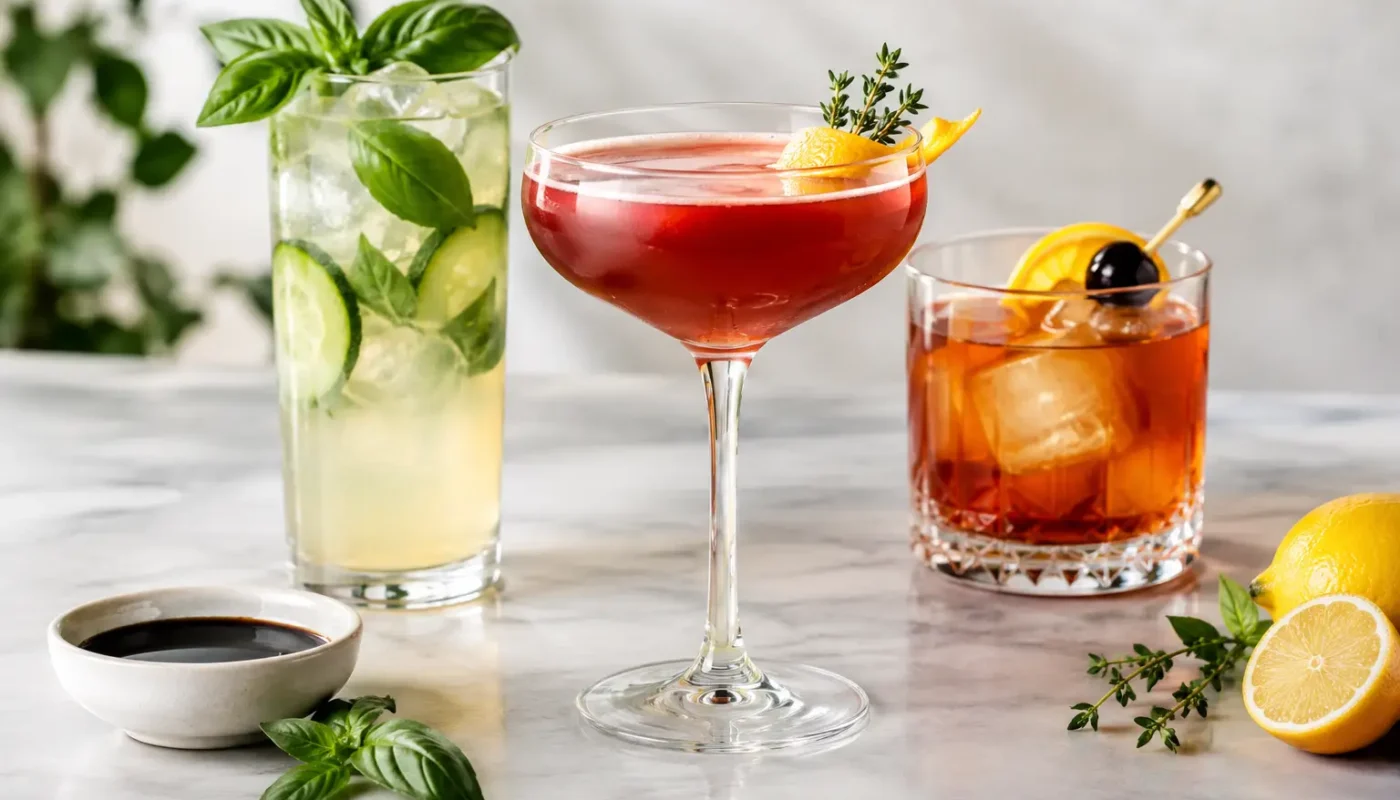
A teaspoon of exceptional balsamic can do what a squeeze of citrus cannot: add acidity, fruit, gentle sweetness, and a lingering, barrel-aged finish all at once. That is why balsamic cocktails feel so at home on a thoughtfully set table. They are not novelty drinks made with a splash of pantry vinegar. When balanced well, they are polished, food-friendly cocktails with a surprising amount of dimension.
The key is to treat balsamic as a seasoning, not the main event. A quality vinegar has enough natural character to make a simple drink taste considered, while a heavy hand can quickly turn the glass dark, syrupy, or overly sharp. Start small, taste as you go, and let the spirit, fresh ingredients, and balsamic support one another.
Why balsamic belongs in a cocktail glass
Great balsamic begins with grape must and develops its personality through concentration, aging, and, in many cases, time in wood. Its flavor can suggest ripe fig, cherry, plum, caramel, raisin, citrus, or spice depending on the style. Those notes make it especially compelling with brown spirits, sparkling wine, fresh berries, herbs, and ginger.
Unlike plain vinegar, balsamic also has body. A carefully selected dark balsamic can round out a bourbon drink in place of part of the simple syrup. A bright white balsamic can give a vodka or gin cocktail a soft, fruity lift without tinting the drink. The result is acidity with a more culinary, layered character.
There is a practical benefit, too. A little balsamic often lets you reduce added sugar. That does not mean every cocktail becomes low-sugar by default, particularly when liqueurs or sweet mixers are involved. It simply means a flavorful balsamic can carry more of the balancing work than a basic syrup alone.
Choosing balsamic for balsamic cocktails
Avoid using thick balsamic glaze. Glaze is designed for drizzling and often contains added sweeteners or thickeners, which can make a cocktail sticky and difficult to balance. Choose a pourable, high-quality balsamic vinegar with a clean aroma and a finish you would enjoy tasting from a spoon.
Dark balsamic is usually the natural match for whiskey, aged rum, brandy, blackberries, cherries, coffee, and warming spices. Traditional-style dark varieties with fig, pomegranate, blackberry-ginger, or raspberry notes are particularly welcoming in cooler-weather drinks and after-dinner sippers.
White balsamic is the brighter option for gin, vodka, tequila, prosecco, soda water, peaches, cucumber, basil, mint, and citrus. White peach, pear, Sicilian lemon, cranberry pear, and grapefruit-style balsamics can offer the flavor direction of a liqueur with more acidity and less heaviness.
Flavor matters more than a rigid pairing rule. A peppery, botanical gin may call for a crisp white balsamic, while a soft, vanilla-forward bourbon can take a richer dark balsamic. Taste the vinegar before building the drink. If it tastes flat, aggressively sweet, or harsh on its own, it will not become more graceful once mixed.
The balance that makes a drink work
Think of a cocktail as a conversation between spirit, sweetness, acidity, dilution, and aroma. Balsamic contributes to both sweetness and acidity, so it should replace or reduce other ingredients rather than simply being added on top.
For a single serving, begin with 1 teaspoon to 1/2 ounce of balsamic. With a sweet, fruit-forward balsamic, start at the lower end. With a very dry spirit or a drink topped with soda, you may prefer the higher end. Shake drinks containing juice or fruit; stir spirit-forward drinks over ice; and use plenty of fresh ice so dilution softens the edges.
If a drink tastes too tart, add a bar spoon of honey syrup or simple syrup. If it tastes too sweet, add fresh lemon or lime juice, or lengthen it with soda water. If the balsamic flavor feels muddy, the fix is usually not more citrus. Instead, use less balsamic next time and add a fresh aromatic garnish such as basil, rosemary, orange peel, or cracked black pepper.
Five balsamic cocktails worth making
Blackberry Balsamic Bourbon Smash
Muddle 3 fresh blackberries with 2 mint leaves in a shaker. Add 2 ounces bourbon, 1/2 ounce blackberry-ginger or raspberry dark balsamic, 1/2 ounce fresh lemon juice, and 1/4 ounce simple syrup. Shake hard with ice, then strain over crushed ice in a rocks glass. Garnish with mint and one blackberry.
Bourbon’s vanilla and oak settle naturally into dark berry balsamic. If your vinegar is already quite sweet, skip the simple syrup first, then adjust only after tasting.
White Peach Gin Fizz
Shake 2 ounces dry gin, 1/2 ounce white peach balsamic, 1/2 ounce lemon juice, and 1/4 ounce honey syrup with ice. Strain into an ice-filled Collins glass and top with 2 to 3 ounces chilled soda water. Finish with a thin peach slice or a basil leaf.
This is an excellent introduction to white balsamic because it remains light, aromatic, and refreshing. Choose a London dry gin for a juniper-forward drink, or a softer botanical gin if you want the peach to lead.
Strawberry Balsamic Spritz
Add 1/2 ounce strawberry balsamic and 1/2 ounce fresh lemon juice to a wine glass filled with ice. Pour in 3 ounces prosecco, then finish with 1 ounce soda water. Stir once, gently, and garnish with a strawberry slice and basil.
The goal here is lift, not sweetness. A dry sparkling wine and a restrained pour of balsamic keep the spritz crisp enough for appetizers, cheese boards, and warm afternoons on the patio.
Pomegranate Tequila Paloma
Build 2 ounces blanco tequila, 1/2 ounce pomegranate dark balsamic, 1/2 ounce lime juice, and a small pinch of sea salt in a tall ice-filled glass. Top with grapefruit soda or sparkling grapefruit water, then give it a brief stir. Garnish with a grapefruit wedge.
Tequila’s herbal, earthy edge gives this drink structure. If you use unsweetened grapefruit sparkling water, add 1/4 ounce agave syrup; if you use sweet grapefruit soda, taste before adding anything else.
Pear Balsamic 75
Pour 1/2 ounce pear white balsamic and 1/2 ounce fresh lemon juice into a champagne flute. Add 1 ounce gin, then slowly top with 3 ounces chilled sparkling wine. A lemon twist keeps the aroma bright.
This version has the celebratory feel of a French 75 with a rounder, orchard-fruit finish. It is especially good for brunch or a small gathering where you want something festive but not overly sweet.
Serve with food, not just a garnish
Balsamic cocktails shine when they meet food. A berry-and-bourbon drink works beautifully beside smoked nuts, aged cheddar, or grilled pork. A white peach fizz welcomes creamy cheeses, prosciutto, and stone fruit. Pomegranate tequila belongs near tacos, charred vegetables, and citrusy seafood.
Use garnishes that echo the drink rather than decorating it at random. Fresh herbs, citrus peel, ripe berries, a cucumber ribbon, or a pinch of flaky salt can sharpen aroma and make the first sip feel intentional. For entertaining, set out a small tasting of two balsamics before mixing. Guests learn quickly that one vinegar can be bright and floral while another is dark, ripe, and almost wine-like.
For a zero-proof option, use the same approach with sparkling water, muddled fruit, tea, or a nonalcoholic botanical spirit. White peach balsamic with lemon, basil, and soda is lively; pomegranate balsamic with ginger beer and lime has enough structure to feel like a real occasion drink.
Keep the first pour modest, use ingredients you would be happy to taste on their own, and let your palate make the final call. A beautiful balsamic does not need to dominate the glass. It only needs to leave the drink more memorable than it was before.
