
Ultra Premium Olive Oil
Olive Oil Filtration Explained for Better Taste
Sep
A bottle of fresh extra virgin olive oil can look brilliantly clear, softly hazy, or downright cloudy. That appearance often comes down to olive oil filtration – a post-milling choice that affects the oil’s look, stability, and how it performs over time. It does not, however, provide a shortcut for judging quality. A clear oil is not automatically better, and a cloudy oil is not automatically fresher.
For cooks who care about real flavor, the useful question is not simply filtered versus unfiltered. It is whether the producer handled the olives with care, bottled the oil while it was fresh, and chose a style that suits the way you plan to enjoy it.
What Olive Oil Filtration Actually Does
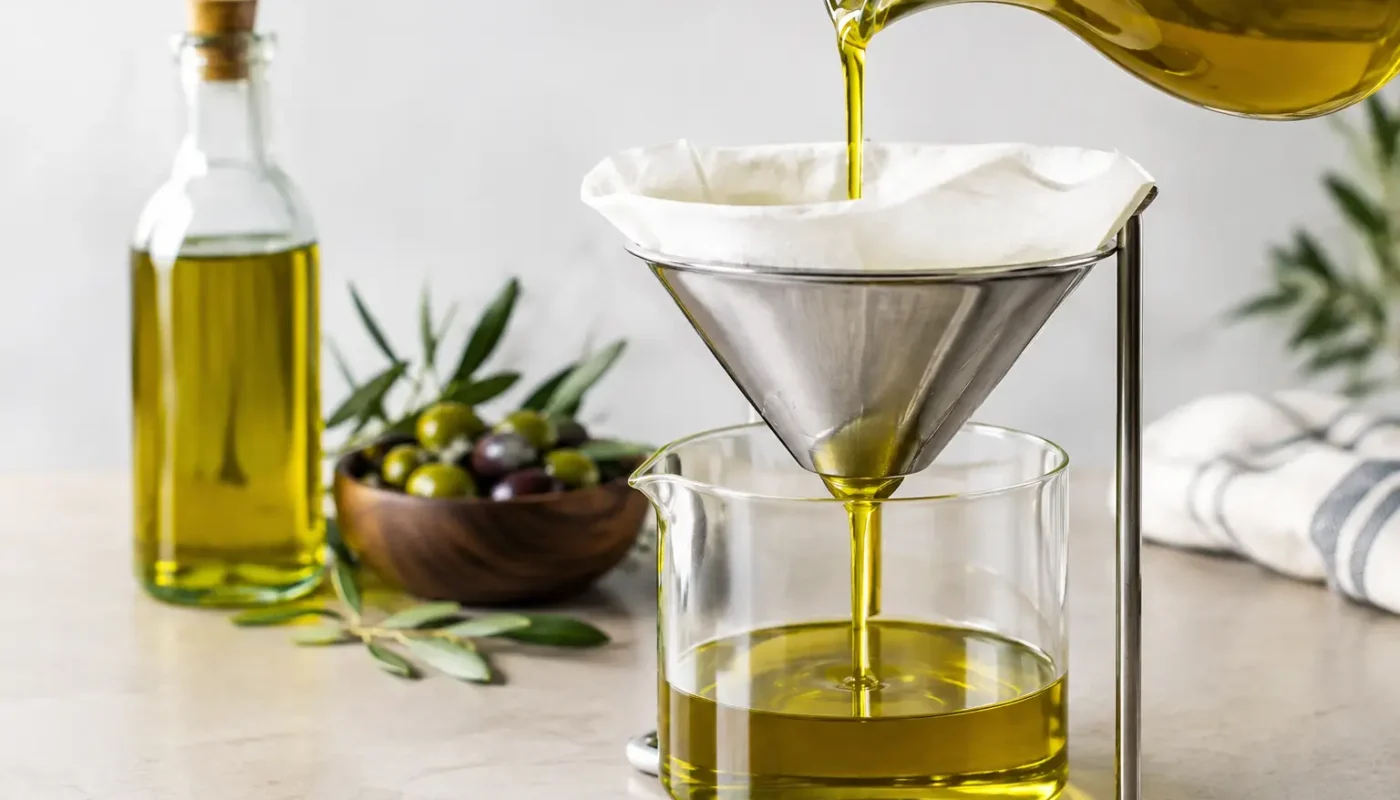
After olives are crushed and their oil is separated, the new oil may still contain tiny particles of olive flesh and traces of vegetation water. These natural remnants create the cloudiness associated with unfiltered oil. Filtration removes most of them, usually with materials designed to catch fine sediment while allowing the oil to pass through.
The result is a brighter, clearer-looking oil. More importantly, removing suspended solids and moisture can improve stability. Olive particles and water can encourage fermentation or hydrolytic changes in the bottle, particularly if the oil is stored somewhere warm or exposed to light. Filtration helps reduce that risk and can help an oil hold its best sensory qualities longer.
Think of it as refining the presentation and protecting the oil, not stripping it of its identity. Well-made filtered extra virgin olive oil can still be wonderfully green, peppery, grassy, floral, or richly fruity. The aromas and flavors begin in the grove, with the olive variety, harvest timing, milling practices, and freshness of the fruit.
Filtered Olive Oil: Clear, Stable, and Versatile
Filtered olive oil is the practical favorite for many everyday kitchens. It typically has a polished appearance and a more predictable shelf life once bottled. That makes it especially appealing for shoppers who want to keep a few oils on hand, use them gradually, or give them as gifts without worrying that sediment will settle at the bottom.
A filtered oil is also an excellent choice when you want flavor to feel clean and precise. Pour a fresh, medium-intensity filtered EVOO over grilled vegetables, tomato soup, or a warm loaf of crusty bread, and you can taste the fruitiness, bitterness, and peppery finish without visual haze getting in the way. It is a beautiful finishing oil, but it is equally at home in vinaigrettes, marinades, roasting pans, and everyday sautéing.
Filtering does not mean an oil will be mild. A robust, early-harvest filtered oil may still deliver a lively throat-catching pepperiness, a sign of the natural phenolic compounds prized by many olive oil enthusiasts. On the other hand, a delicate filtered oil can bring a softer, buttery character to fish, fresh mozzarella, or vanilla olive oil cake.
Unfiltered Olive Oil: Fresh Character With a Shorter Window
Unfiltered olive oil, sometimes labeled as cloudy, rustic, or naturally settled, retains fine olive solids and moisture. When it is very fresh, that can create an appealing just-milled character: vivid fruit, a fuller texture, and a sense of tasting the harvest close to its source.
It is easy to understand the appeal. An unfiltered oil on a winter salad of citrus, fennel, and shaved Parmesan can feel especially generous and alive. Drizzled over beans, roasted squash, or a simple bowl of pasta, it can bring a pleasing, home-from-the-mill quality to the plate.
Still, this style asks a little more of the cook. The remaining particles can settle in the bottle, which is normal, but those solids may shorten the period in which the oil tastes its best. Unfiltered oil is often best purchased in a size you will enjoy promptly and stored with extra attention to heat, light, and air.
Cloudiness can also be seasonal. Olive oil may turn cloudy or develop harmless crystals when it gets cold during shipping or pantry storage. That is different from intentionally unfiltered oil and does not necessarily signal a problem. Letting the bottle return to room temperature will often restore a clearer appearance.
The Trade-Off Is Freshness, Not Flavor Versus Quality
The idea that unfiltered oil is always more flavorful or more authentic is too simple. A brilliantly fresh filtered oil may taste more vibrant than an older unfiltered one. Likewise, a carefully produced unfiltered oil enjoyed soon after harvest can be memorable.
Quality depends on many decisions before filtration ever enters the picture. Healthy olives must be milled quickly. The milling process needs careful temperature control and cleanliness. The oil must be stored away from oxygen, light, and heat, then bottled and handled thoughtfully. Those details do far more to protect a premium EVOO’s character than cloudiness alone.
For shoppers, harvest date and freshness are often more meaningful than a marketing claim about filtration. Look for oils with a clear sense of origin and season, then use your senses. Fresh extra virgin olive oil should smell inviting and taste alive. Depending on the variety and style, you may find notes of green almond, fresh-cut grass, tomato leaf, artichoke, ripe apple, herbs, or pepper.
Choosing the Right Oil for Your Kitchen
Filtered and unfiltered oils both deserve a place in a flavor-focused pantry, but the best choice depends on your habits. If you cook with olive oil every day and want a reliable bottle for broad use, filtered EVOO is often the easiest choice. It offers lasting clarity and dependable flavor from the first pour through the final drizzle.
If you enjoy chasing seasonal food experiences and plan to finish a bottle quickly, an unfiltered oil can be a rewarding special purchase. Treat it as you would a just-released seasonal ingredient: buy it fresh, taste it generously, and let it shine where its character is most noticeable.
For entertaining, filtered oils often make a graceful centerpiece on a tasting board. Set out small dishes with bread, a pinch of flaky salt, and perhaps a fruit-forward dark balsamic or bright white balsamic for contrast. Guests can discover how one oil might flatter strawberries and ricotta while another is perfect with peppery arugula or grilled steak.
Do not choose by appearance alone. A deep green color can be attractive, but color does not reliably indicate flavor intensity or quality. Professional olive oil tasting is commonly done in colored glasses for precisely that reason: the nose and palate tell a more honest story.
Storage Matters After Filtration
No filtration method can protect olive oil forever. Once a bottle comes home, its greatest enemies are heat, light, and oxygen. Keep it tightly capped in a cool, dark cupboard, away from the stove, sunny windowsill, and warm appliances. A dark glass bottle or opaque container offers useful protection, but smart storage still matters.
Avoid saving an exceptional oil for an occasion that never arrives. Freshness is part of its pleasure. Use your favorite EVOO on the foods you make most often: eggs, grain bowls, roasted chicken, soups, hummus, vegetables, and even a square of good chocolate with a fruity oil and a few grains of sea salt.
At Weyira Olive Oil & Vinegar, we encourage tasting with curiosity rather than following a rigid rule. Compare a filtered oil and an unfiltered one when you have the chance. Notice the aroma, mouthfeel, finish, and how each changes a familiar dish. The best bottle is the one that makes you want to pour with confidence and enjoy every fresh, flavorful drop.
