
Ultra Premium Olive Oil
Raw Honey: What Makes It Worth Seeking Out?
Nov
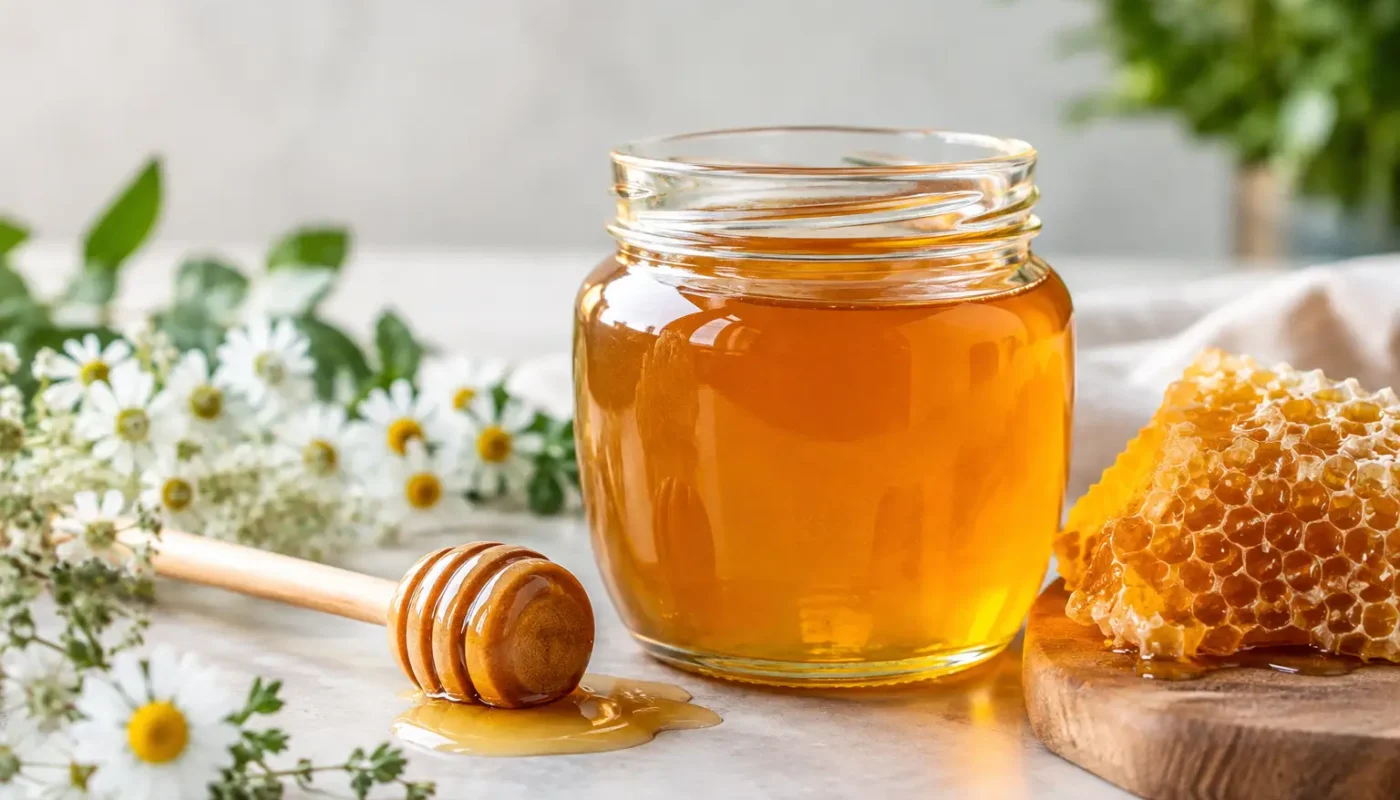
A spoonful of raw honey can taste remarkably different from the familiar squeeze-bear version. One jar may be bright with orange blossom and citrus peel; another may feel deep, malty, and almost like caramel. That sense of place is part of the pleasure. Honey is not simply a sweetener – it is a pantry ingredient with a flavor story shaped by the blossoms bees visit, the season, and the care taken after harvest.
For cooks who enjoy tasting-gallery quality olive oil, balsamic vinegar, and artisan pantry staples, raw honey earns its place on the shelf. It can soften the edge of a peppery extra virgin olive oil, give a vinaigrette more dimension than sugar, or turn a simple cheese board into something guests remember.
What Does Raw Honey Actually Mean?
Raw honey generally refers to honey that has been minimally processed after it is harvested. It is usually strained to remove bits of wax and other hive material, but it is not heavily filtered or heated to the high temperatures often used to keep commercial honey perfectly clear and slow crystallization.
That distinction matters for texture and flavor. Minimal processing can preserve more of honey’s natural pollen, aroma, and subtle variation. A raw wildflower honey may carry a soft herbal note, while clover honey is often mild and familiar. Tupelo, buckwheat, sage, and orange blossom honeys can be even more distinctive.
There is one useful caveat: “raw” is not a single, tightly standardized promise across every producer. Practices vary. If origin, floral source, and processing matter to you, look for a producer that clearly explains how its honey is handled and where it comes from. A transparent label is more meaningful than a vague claim alone.
Why Raw Honey Tastes Different
Honey begins with nectar, so its flavor starts in the landscape. Bees collecting from lavender, blackberry, alfalfa, or wildflowers make honey with different colors, aromas, and finishes. Climate and harvest timing add another layer. That is why two jars labeled wildflower honey can be entirely unlike each other.
Raw honey also tends to offer a more textured tasting experience. It may be silky, creamy, or spreadable, with tiny crystals that melt on the tongue. Its color can range from pale gold to deep amber, but darker does not automatically mean better. Darker varieties often have bolder, more molasses-like flavors, while pale honey can be delicate, floral, and beautifully complex.
Treat it as you would a fine balsamic or a fresh extra virgin olive oil: taste it before deciding where it belongs. Let a small spoonful sit on your tongue, then notice whether it leans fruity, grassy, buttery, toasted, earthy, or floral. Those notes make pairing far easier.
Crystallization Is Natural, Not a Flaw
One of the most common surprises with raw honey is crystallization. The honey becomes cloudy, thick, or fully solid as its natural sugars form crystals. This is normal, especially in honey with a higher glucose content, and it does not mean the honey has spoiled.
If you prefer a pourable texture, set the closed jar in warm water and let it loosen gradually. Avoid boiling water or prolonged high heat, which can flatten the delicate aromas that made the honey special in the first place. Some people prefer crystallized honey for spreading on toast, biscuits, or a warm piece of cornbread.
How to Choose Raw Honey for Your Pantry
Start with the flavor role you want honey to play. A mild clover or wildflower honey is versatile enough for tea, baking, and everyday dressings. Orange blossom honey is lovely with ricotta, fresh fruit, and delicate white balsamic. Buckwheat honey brings a bold, malty depth that stands up to blue cheese, roasted squash, and darker breads.
When shopping, pay attention to floral source and origin when they are available. Single-origin or varietal honey can offer a more focused flavor, much like an olive oil made from a particular olive variety. Local honey can be a wonderful way to taste a region, though “local” alone does not describe quality or processing. The clearest signs of thoughtful sourcing are specificity, freshness, and a producer willing to share details.
A few practical qualities are worth looking for:
- A clear source, such as orange blossom, wildflower, clover, or buckwheat
- A harvest region or producer information rather than only a broad packing statement
- Aroma and flavor that feel alive, not merely sweet
- A jar stored away from direct light and excessive heat
Raw honey should smell pleasantly floral, fruity, herbal, or warm and caramel-like, depending on the variety. If it smells fermented, sharply sour, or off, it is best not to use it.
Pairing Raw Honey With Olive Oil and Vinegar
Honey has a special affinity for extra virgin olive oil because it gives the oil’s fruitiness and peppery finish a sweet counterpoint. The best pairings avoid making either ingredient disappear. A bold, peppery olive oil needs a honey with enough personality to keep up, while a buttery, mild oil can shine beside a delicate floral honey.
For an easy appetizer, spoon raw honey over whipped ricotta or goat cheese, then finish with a generous drizzle of fresh extra virgin olive oil and a pinch of flaky salt. Add toasted walnuts, pistachios, or cracked black pepper if you want more texture. It is simple, but each ingredient has room to speak.
Honey also brings balance to vinaigrettes. Whisk it with a bright white balsamic vinegar and a fruity olive oil for a dressing that flatters arugula, shaved fennel, pears, and toasted almonds. With a rich dark balsamic, use honey more sparingly. Both ingredients are sweet, so a little goes a long way. A spoonful of Dijon mustard and a pinch of salt can keep the dressing focused.
For roasted vegetables, blend honey with olive oil, salt, and a small amount of balsamic vinegar. Brush it onto carrots, sweet potatoes, Brussels sprouts, or winter squash toward the end of cooking so the sugars do not scorch. The result is glossy edges, gentle sweetness, and a savory finish rather than a candied one.
A Better Honey Butter for Warm Bread
Stir softened butter with raw honey, a pinch of flaky salt, and a few drops of a bright, citrus-forward olive oil. Spread it on warm sourdough, cornbread, or biscuits. The olive oil may sound unexpected, but it adds a fragrant, peppery lift that keeps the butter from tasting heavy.
Enjoy the Benefits Without the Hype
Raw honey contains naturally occurring compounds and small amounts of pollen, but it is still primarily a source of sugar. Its best role is not as a cure-all, but as a flavorful alternative when you want sweetness with more character than refined sugar.
Because honey can be intensely sweet, a modest amount often goes further than expected. Taste as you cook. You may find that a teaspoon is enough to round out a sauce, brighten a dressing, or bring a glaze together. That is good cooking, not deprivation.
Honey should never be given to children under 12 months old because of the risk of infant botulism. For everyone else, store it tightly sealed at room temperature. Refrigeration usually encourages crystallization, so a cool, dark pantry or cabinet is the better choice.
Let the Jar Guide the Meal
The most rewarding way to use raw honey is to stop thinking of it as an afterthought. Taste it alongside a favorite olive oil, a vinegar with real acidity, a good cheese, and a piece of warm bread. Notice what happens when floral sweetness meets peppery fruit, tangy balsamic, or a savory pinch of salt.
A well-chosen jar can turn a weeknight salad, roasted vegetables, or an impromptu cheese plate into a small tasting experience. Keep one honey you love within reach, and let its particular flavor suggest the next delicious combination.
