
Ultra Premium Olive Oil
What Is Olive Oil Sediment? A Freshness Guide
Oct
A pale layer at the bottom of a beautiful bottle can make even an experienced home cook pause. What is olive oil sediment, exactly? Usually, it is a natural collection of tiny olive solids and moisture that settled after pressing. It can be completely normal in fresh, unfiltered extra virgin olive oil, but it also gives you a reason to pay closer attention to how that oil is stored and how quickly you plan to enjoy it.
What Is Olive Oil Sediment Made Of?
Olive oil begins as fruit, not a seed. When olives are milled, the resulting paste contains oil along with minute pieces of olive flesh, skin, pit, and naturally occurring water. After the oil is separated, some of those fine particles may remain suspended in the liquid, particularly if the producer chooses not to filter it.
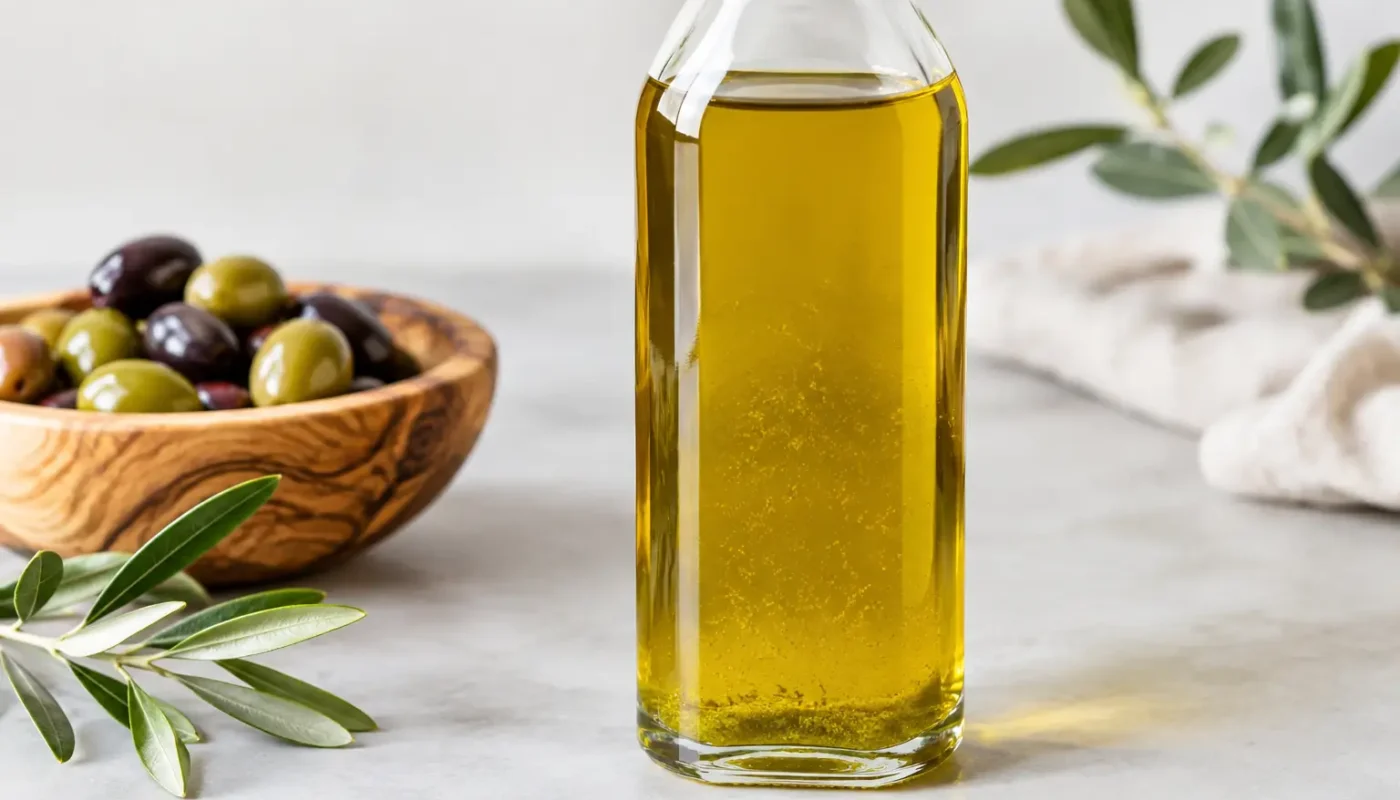
Over time, gravity pulls those particles toward the bottom of the bottle. The result may look like fine dust, a soft cloudy layer, or darker flecks gathered near the base. This is olive oil sediment. In a freshly pressed, minimally handled oil, it can be a sign that the oil has retained some of the character of the harvest.
Sediment is not the same thing as an oil that has turned solid in a cold pantry or refrigerator. Cold temperatures can make olive oil look cloudy or form pale crystals throughout the bottle. Once the oil returns to room temperature, that cloudiness usually clears. Sediment, on the other hand, tends to remain collected at the bottom.
Why Some Extra Virgin Olive Oils Have Sediment
The biggest reason is filtration. Filtered extra virgin olive oil has passed through a process that removes much of the remaining water and microscopic fruit material. It generally looks bright and clear, and it tends to be more stable over time.
Unfiltered oil, sometimes called cloudy oil or olio nuovo when it is very freshly harvested, retains more of those fine solids. Many cooks seek it out for its vivid, just-milled personality: grassy aromas, peppery warmth, green tomato notes, or a fuller fruitiness that can feel especially alive when drizzled over warm bread, grilled vegetables, or a bowl of beans.
Neither style is automatically better. Filtering is not a shortcut or a mark of lesser quality. It is a thoughtful choice that helps protect the oil from the effects of residual water and solids. Unfiltered oil offers a distinct tasting experience, but it asks more of the buyer: proper storage and prompt use matter even more.
Fresh sediment can be harmless
If the oil smells clean and appetizing and tastes fresh, sediment alone is usually no cause for concern. A peppery tickle in the throat, pleasant bitterness, and aromas reminiscent of fresh-cut grass, herbs, almond, or green fruit are all welcome characteristics in quality extra virgin olive oil.
In fact, a small amount of sediment may be expected in a recently bottled unfiltered oil. The key word is recently. Those tiny olive particles do not preserve the oil. They can gradually accelerate deterioration, especially when the bottle is exposed to warmth, light, or oxygen.
Older sediment deserves more caution
Olive solids and residual water can ferment or break down as an oil sits. The risk is greater after the bottle has been opened, because each pour introduces more oxygen. This does not mean every bottle with a deposit is spoiled. It means sediment should encourage you to use your senses rather than assume that a rustic-looking bottle is at its peak.
Smell the oil before using it. Fresh olive oil should invite you in. If it smells like crayons, old nuts, stale popcorn, putty, a damp cellar, or winey vinegar, it may be defective or past its best. Taste a small amount, too. An oily, flat, greasy, or unpleasantly sour flavor is different from the lively bitterness and pepperiness of fresh EVOO.
Does Sediment Mean Olive Oil Is Better?
Not necessarily. Sediment can signal minimal filtration, but it does not prove superior fruit, careful milling, or excellent freshness. A clear, filtered oil from exceptional olives can be wonderfully complex, aromatic, and full of healthful olive polyphenols. Likewise, an unfiltered oil can be memorable when it is fresh, well made, and properly handled.
The better question is what you want from the bottle. If you love a bright, harvest-season oil for finishing dishes, an unfiltered selection can be a delicious choice. If you want an oil that will stay dependable in the pantry over a longer period, filtered extra virgin olive oil is often the more practical option.
Look beyond appearance. Harvest date, origin, producer care, packaging, and storage conditions tell a more useful quality story than sediment alone. Dark glass or a protective tin helps shield oil from light. A clear bottle may look attractive on a shelf, but light exposure is not kind to fresh olive oil.
Should You Shake a Bottle With Sediment?
There is no universal rule. Shaking will distribute the settled particles through the oil, giving you a more uniform pour and, potentially, a slightly more rustic flavor. Some people enjoy that fuller, unfiltered character. Others prefer to pour gently and leave the heaviest deposit behind.
For an oil you will finish soon, either approach is reasonable if it tastes fresh. For a bottle that has been open for a while, avoid vigorously shaking it just to make it look cloudy. Keeping settled solids out of each pour may help you enjoy the cleaner portion first.
If the sediment is especially heavy, transfer the oil only if you can do so without prolonged exposure to air and light. For most home kitchens, the simplest approach is best: keep the cap secure, pour carefully, and use the oil while it is tasting vibrant.
How to Store Olive Oil With Sediment
Storage has a greater impact on flavor than most people realize. Heat, light, and air are the three everyday enemies of extra virgin olive oil. Sediment adds another reason to be attentive, especially with unfiltered bottles.
Keep the bottle in a cool, dark cabinet away from the stove, dishwasher, and sunny counter. A consistently cool room is ideal. Do not store it beside a warm oven simply because it is convenient for cooking. Keep the cap or pour spout closed when the bottle is not in use, and choose a bottle size that matches how quickly you cook with olive oil.
Refrigeration is not usually necessary for daily use. It can make the oil cloudy or partially solid, which is harmless but inconvenient. If your kitchen runs very warm or you need to hold an unfiltered oil longer, refrigeration may be useful, provided you allow the oil to return to room temperature before judging its aroma or flavor.
For the brightest experience, treat an unfiltered extra virgin olive oil as a seasonal pantry pleasure. Open it when you are ready to use it generously in dressings, dips, soups, roasted vegetables, and finishing drizzles. A premium bottle should not be saved indefinitely for a hypothetical special occasion.
When to Discard Olive Oil Sediment
You do not need to strain or discard a bottle just because you see sediment. Discard the oil if the aroma or flavor suggests rancidity, fermentation, or another defect. Also be cautious if you see unusual growth, persistent fizzing, or an odor that is distinctly off. Those signs are not typical of ordinary settled olive particles.
If only the final tablespoon or two is packed with dark sediment and the rest of the bottle has been delicious, it is fine to leave that last portion behind. There is little culinary reward in forcing every bit from the bottle, particularly if it has been open for months.
Choose Oil for the Way You Cook
A clear filtered EVOO can be an excellent everyday partner for sautéing, roasting, vinaigrettes, and baking. A fresh unfiltered oil can make a simple meal feel like something from a tasting gallery, especially when its fruit-forward aroma is allowed to shine after cooking.
At Weyira Olive Oil & Vinegar, we encourage tasting olive oil as you would taste any fine pantry ingredient: with attention, curiosity, and a willingness to notice the difference freshness makes. Sediment is one small part of that story, not a verdict on quality.
The next time you spot a soft layer in the bottom of a bottle, let your senses lead. If the oil smells green, tastes lively, and has been cared for well, pour it over something worth savoring.
