Ultra Premium Olive Oil
Is White Balsamic Aged? What Flavor Tells You
Nov
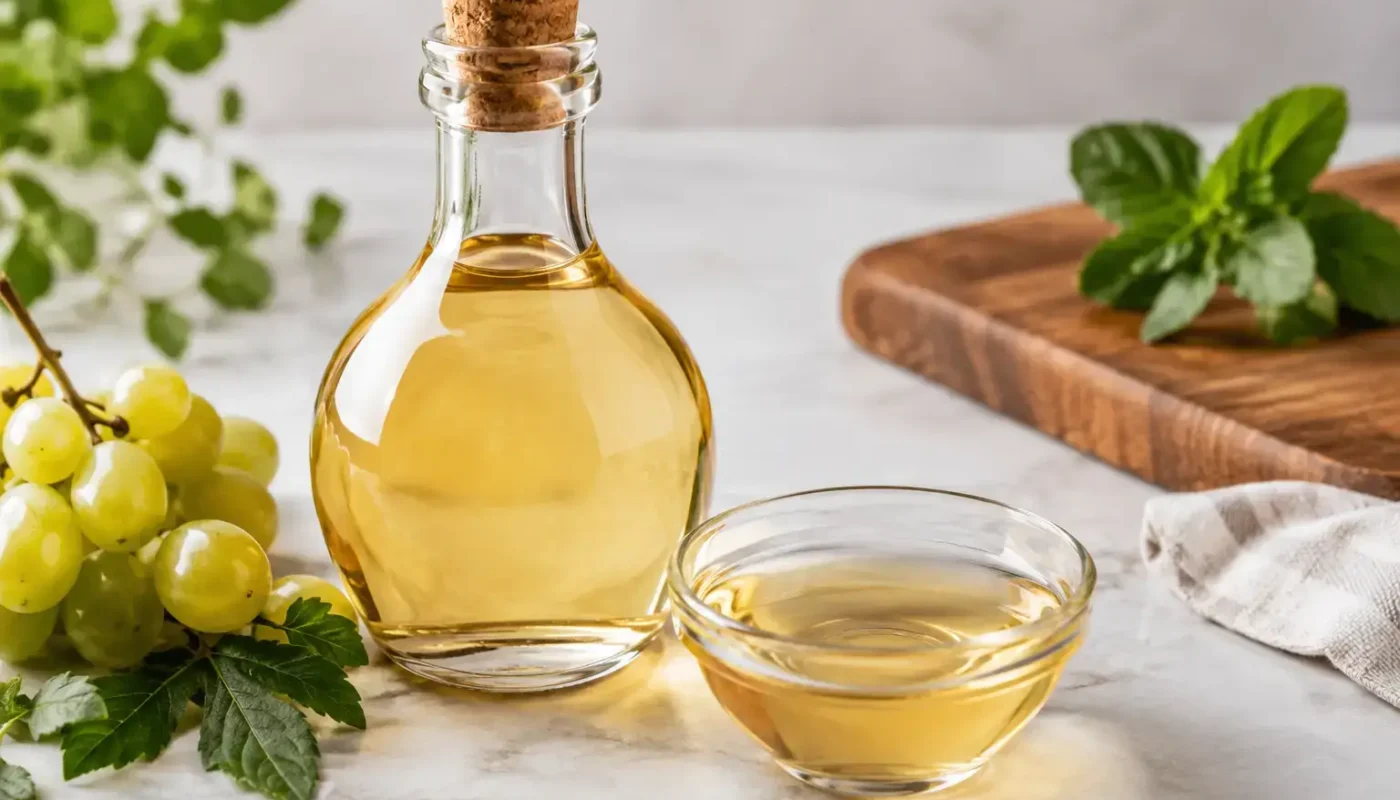
A bottle of white balsamic can look almost too bright to have spent time in wood. Its clear, golden color and lively acidity often lead cooks to ask: is white balsamic aged? The short answer is yes, it can be. But unlike traditional dark balsamic, white balsamic is made to preserve a fresh, pale appearance, so its aging process and flavor profile follow a different path.
That difference is exactly what makes it so useful. White balsamic brings sweetness, tang, and fruit-forward character to a dish without turning a pale vinaigrette brown or masking delicate ingredients with heavy, caramelized notes.
Is White Balsamic Aged in Barrels?
Many quality white balsamic vinegars are aged, often in wooden barrels or casks, though the length of time varies widely by producer. Aging softens sharp acidity and gives the vinegar a rounder texture and more integrated flavor. It may pick up subtle notes of wood, fruit, honey, or spice along the way.
Still, white balsamic is not simply dark balsamic that has been filtered. The difference begins much earlier, with how the grape must is cooked and handled. Dark balsamic is generally cooked longer and at higher heat, which encourages the deep color and rich, cooked-fruit character people associate with classic balsamic. White balsamic grape must is usually cooked more gently, often under pressure at a lower temperature, to limit browning.
After fermentation and acetification, a white balsamic may be aged to develop body and balance. The goal is not to create an inky, syrupy vinegar. It is to retain a clean, bright profile while smoothing the edges. Think ripe pear, white grape, citrus peel, and a soft sweetness that lingers without feeling heavy.
Why White Balsamic Stays Light in Color
Color is the most visible clue, but it does not tell the whole story about age. A pale vinegar is not automatically young, just as a dark vinegar is not automatically old. With white balsamic, the lighter color comes primarily from the gentler treatment of the grape must and the intention to avoid extensive caramelization.
Barrel choice matters, too. A producer may use wood that contributes delicate character without adding much color, or age the vinegar for a shorter period than a deeply colored balsamic. Some white balsamic products are also made in a style designed for immediate brightness rather than lengthy maturation.
That is why labels and product descriptions are worth reading. Terms such as “aged,” “barrel-aged,” or a stated maturation period can be helpful, but they do not all mean the same thing. A vinegar aged for several months will taste different from one matured for years. The grape variety, concentration of must, acidity, and any fruit or botanical additions all influence the finished bottle.
What Aging Adds to the Flavor
A well-made white balsamic should have more to offer than simple sweetness. Aging can turn a sharp, one-note vinegar into something with shape and dimension. You may notice a softer finish, a more velvety feel on the palate, and gentle layers behind the acidity.
The trade-off is personal preference. If you love a brisk, uncomplicated splash of vinegar on a cucumber salad, a very young style may be exactly right. If you want a dressing that tastes polished enough for grilled shrimp, fresh mozzarella, or a composed salad, an aged white balsamic can add a more graceful balance.
It also depends on how you plan to use it. A richer, more concentrated white balsamic is wonderful in a glaze, pan sauce, or fruit dessert, where its sweetness has room to shine. A lighter, brighter option may be better for vinaigrettes, quick pickles, slaws, and sparkling drinks.
Sweetness Does Not Always Mean Added Sugar
White balsamic often tastes sweeter than distilled vinegar or wine vinegar because grapes naturally bring sugar and fruit character to the process. Concentrated grape must can add viscosity and sweetness, particularly in premium styles. That natural grape richness is part of its appeal.
However, not every bottle is made the same way. Some flavored white balsamics include fruit purées, juices, or other flavoring ingredients. There is nothing inherently wrong with that, especially when the flavor is vibrant and the ingredients are thoughtfully chosen. It simply means the flavor is built differently than a traditional barrel-aged balsamic condiment.
For cooks who care about purity and a true grape-driven profile, look for a product with a clear description of its base and flavor. The best choice is the one that suits your palate and the dish in front of you.
How to Taste White Balsamic Like a Specialty Shop
Pour a small amount into a spoon or tasting cup and smell it before you taste it. A quality white balsamic should smell fresh and inviting, not harsh or aggressively acidic. You may find notes of apple, grape, citrus, stone fruit, honey, or herbs, depending on the style.
Take a small sip and let it move across your palate. First notice the balance between sweetness and acidity. Then pay attention to texture. Does it disappear quickly, or does it have a gentle, rounded finish? Finally, consider whether the flavor feels clean. A good white balsamic should make you want another taste, not leave your mouth feeling overwhelmed by acid or sweetness.
At a tasting, compare it with a dark balsamic side by side. The dark style may offer raisin, fig, molasses, and cooked cherry notes. The white version often feels lighter on its feet, with brighter fruit and a more delicate visual effect in food. Neither is better in every recipe. They are different tools for different kinds of cooking.
Where Aged White Balsamic Shines
White balsamic earns its place in a well-stocked pantry because it solves a practical kitchen problem: it adds complexity while keeping food visually fresh. Use it where you want a lift of acidity but do not want dark color to dominate.
Try it whisked with a fresh extra virgin olive oil for a vinaigrette over arugula, goat cheese, and sliced pear. Its bright character is especially good with summer tomatoes, cucumbers, fennel, asparagus, and roasted cauliflower. A small drizzle can wake up a grain salad with herbs and toasted nuts.
It is also a natural partner for seafood and poultry. Brush it onto grilled chicken during the final minutes of cooking, or use it in a quick sauce for scallops with a little butter and fresh herbs. For entertaining, pair a fruit-infused white balsamic with sparkling water, ice, and a twist of citrus for a sophisticated nonalcoholic refresher.
On the sweeter side, aged white balsamic is lovely with peaches, strawberries, melon, or vanilla ice cream. Start with a few drops rather than a heavy pour. The vinegar should sharpen the fruit and deepen its sweetness, not turn dessert into a salad dressing.
Choosing the Right Bottle for Your Pantry
If you are shopping for white balsamic, begin with the flavor experience you want. An unflavored aged white balsamic is the most flexible choice for everyday vinaigrettes, marinades, sauces, and finishing. It is a dependable foundation when you want the grapes, acidity, and barrel character to do the work.
Flavored varieties offer a faster route to pairing ideas. White balsamics with lemon, peach, pear, coconut, or herb notes can make a simple meal feel more considered. Pair them with a complementary olive oil and you have an easy dressing, dip, or marinade ready in minutes.
Store your bottle in a cool, dark cabinet with the cap tightly closed. Vinegar is more stable than olive oil, but heat, sunlight, and air can still dull its best aromas over time. If the flavor seems flat, move it from the counter to the pantry and reserve your freshest bottle for finishing dishes.
The next time you reach for white balsamic, taste it first. A few drops can guide an entire meal: bright enough for a crisp salad, rounded enough for a warm glaze, and elegant enough to turn everyday ingredients into something worth sharing.
