
Ultra Premium Olive Oil
How EVOO Freshness Shapes Every Pour at Home
Nov
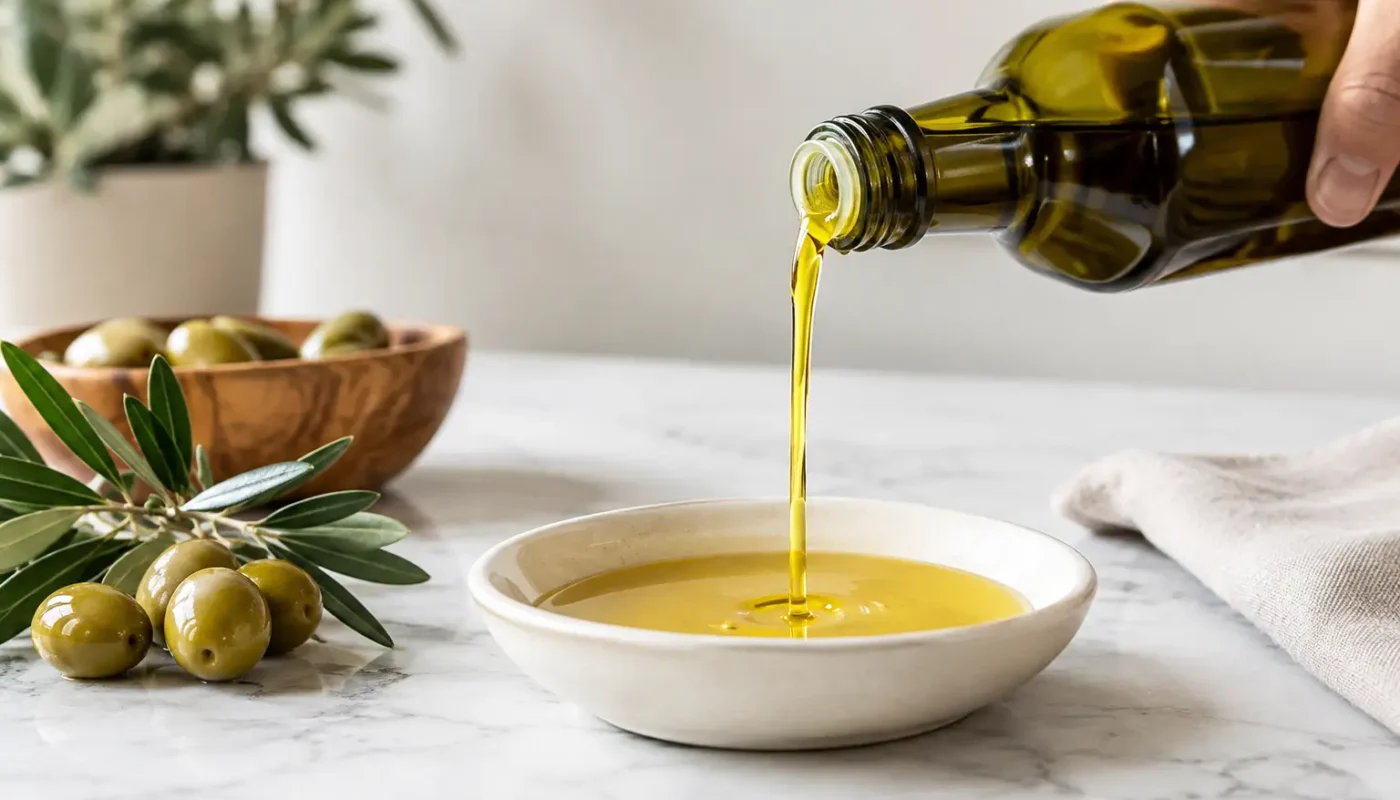
A truly fresh extra virgin olive oil can change the way a simple meal tastes. A warm piece of bread becomes a tasting moment. Roasted vegetables gain a bright, green finish. Even a bowl of soup feels more complete with a peppery, fragrant pour. That is the pleasure of EVOO freshness: olive oil that still carries the lively character of the fruit it came from.
Extra virgin olive oil is not a pantry ingredient to buy once and forget. It is pressed from a fruit, and like other fresh foods, it has a prime. Knowing what freshness means helps you choose oil with confidence, store it wisely, and enjoy the depth of flavor premium olive oil is meant to deliver.
What EVOO Freshness Actually Means
Freshness is not simply about whether a bottle is unopened or within its printed date. It describes the condition of the oil itself: how well its aromas, flavor compounds, and natural antioxidants have been protected from the moment olives are harvested through milling, bottling, shipping, and storage.
Fresh EVOO often has an aroma that recalls green grass, tomato leaf, fresh herbs, apple, almond, or artichoke. On the palate, it may be buttery and mild, boldly herbaceous, pleasantly bitter, or peppery at the back of the throat. Those sensations are not flaws. In a well-made oil, bitterness and pungency are often signs of beneficial phenolic compounds and carefully handled fruit.
As oil ages or is exposed to too much heat, light, or air, those vivid qualities gradually fade. It may begin to smell flat, waxy, stale, or reminiscent of old nuts. Freshness is what separates an oil that merely adds fat from one that brings real flavor and personality to the plate.
Why Harvest Date Matters More Than Shelf Appeal
A handsome label and dark bottle are good starts, but the harvest date is one of the most useful details a shopper can find. It tells you when the olives were picked, giving you a clearer sense of where the oil is in its life.
Olive harvests generally occur once a year, although timing varies by hemisphere and growing region. California and Mediterranean oils are commonly harvested in the fall, while oils from countries in the Southern Hemisphere, such as Australia or Peru, are often harvested in the spring or early summer. A thoughtfully sourced selection can offer excellent freshness across more of the calendar year.
A best-by date can be helpful, but it is less revealing because producers set it differently. When both dates are available, start with the harvest date. For everyday enjoyment, choose the newest harvest you can reasonably use within several months of opening. A premium bottle deserves to be enjoyed generously, not saved indefinitely for a special occasion that never arrives.
Freshness also depends on how quickly olives were milled after picking and how carefully the oil was stored before it reached your kitchen. This is why origin, producer standards, and turnover matter. A specialty retailer that treats olive oil as a tasting product, rather than a static shelf item, can make a meaningful difference.
How to Taste Fresh EVOO at Home
You do not need a formal tasting room to recognize a fresh oil. Pour a small amount into a tiny glass or cup, warm it gently in your hand, and cover the top for a minute. This helps release the aroma. Then take a small sip and let the oil travel across your tongue before swallowing.
Look first for fruitiness. It does not have to taste like olives in a literal sense. Fresh oils can suggest leafy greens, citrus peel, green banana, tomato, herbs, or ripe almond. Next, notice bitterness on the tongue and a peppery tickle in the throat. The intensity will depend on the olive variety and harvest style. A delicate oil can be fresh, and a powerful oil can be fresh. The goal is balance and clarity, not maximum pepperiness.
What should raise concern? Musty, moldy, wine-like, greasy, crayon-like, or stale nut flavors are signs that an oil may be defective or past its best. A bland oil is not necessarily unpleasant, but it will not offer the vivid tasting experience people expect from quality EVOO.
Match the oil to the meal
A mild, buttery EVOO is lovely with delicate fish, fresh mozzarella, baking, and creamy soups. A green, peppery oil brings energy to grilled steak, lentils, bitter greens, tomato salads, and rustic bread. Keep more than one style if you enjoy cooking. It is the same reason a cook might keep several vinegars on hand: different dishes invite different expressions.
The Three Biggest Threats to EVOO Freshness
Light, heat, and oxygen are olive oil’s persistent enemies. Each speeds oxidation, the natural process that dulls aroma and flavor over time.
Light is why clear glass may look beautiful but is rarely the best long-term protection for olive oil. Dark glass, opaque containers, and tins help shield the oil from direct exposure. Store bottles in a cabinet or pantry, not on a sunny countertop or windowsill.
Heat accelerates flavor loss. A cool, stable cupboard is better than a spot beside the stove, dishwasher, or radiator. Refrigeration is usually unnecessary for a bottle you use regularly and can make the oil cloudy or partially solid. That change is harmless, but repeated temperature swings are not ideal. If your kitchen runs especially hot, choose the coolest practical indoor spot.
Oxygen enters every time a bottle is opened. Buy a bottle size that suits your household’s pace. A smaller bottle that is used while vibrant is often a better value than a large bottle that spends months half-full. Replace the cap promptly after pouring, and avoid leaving a decorative pour spout in the bottle for long periods.
Buying Habits That Protect Freshness
Start with oils that provide useful sourcing details, especially a harvest date and country or region of origin. A single-estate or single-origin oil can offer a distinct sense of place, while a well-crafted blend can deliver admirable consistency and balance. Neither is automatically superior. The better choice depends on the flavor experience you want and the producer’s attention to quality.
Packaging matters, too. Dark bottles and tins are practical indicators that a producer has considered how olive oil travels and lives on the shelf. Once home, write the date you opened the bottle on the label if that helps you keep track. Most households will find that a bottle tastes brightest when used within a few months after opening, though exact timing depends on its storage and how often it is exposed to air.
Unfiltered oils deserve a small note. They can be beautifully rustic and full of character, but visible sediment and moisture may shorten their peak window. Enjoy them promptly. Filtered oils can also be wonderfully aromatic and may hold their profile more steadily. Freshness is not about choosing one style over the other. It is about respecting the style and using it at the right pace.
Let Fresh Oil Be the Finishing Touch
Cooking with EVOO is a pleasure, but finishing with it is where freshness is easiest to taste. Drizzle it over grilled vegetables just before serving. Spoon it onto hummus with a pinch of flaky salt. Add it to a bowl of beans, pasta, or vegetable soup. Pair a grassy oil with lemon and seafood, or use a rounder, fruit-forward oil over vanilla ice cream with a sprinkle of sea salt.
For a simple tasting board, set out two oils with crusty bread, sliced apples, cheese, and a balsamic vinegar. Invite guests to notice how each oil changes the food. It is an easy, generous way to turn entertaining into a discovery.
At Weyira Olive Oil & Vinegar, we believe a bottle of olive oil should invite you to pour with confidence, experiment often, and taste the difference in every meal. Keep your EVOO cool and protected, choose it with the harvest in mind, and let it earn a regular place at your table while its flavor is still bright.
