
Ultra Premium Olive Oil
How to Cook Seafood With Lemon Oil at Home
Oct
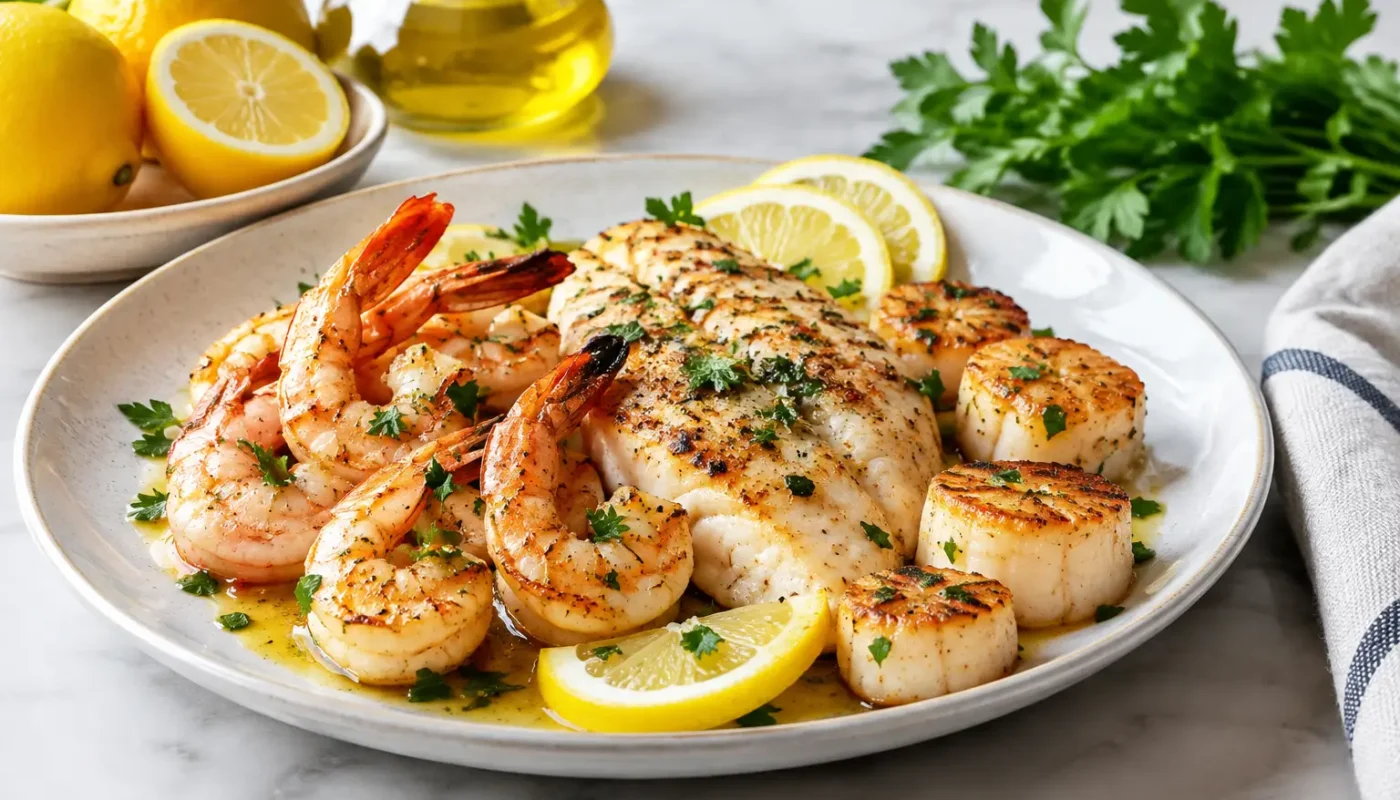
A pristine piece of fish needs very little help. When you cook seafood with lemon oil, you get the sunny lift of citrus without masking the ocean-sweet flavor you paid for. The key is treating lemon oil as both a cooking fat and a finishing ingredient, then matching its intensity to the seafood in the pan.
A quality fused lemon olive oil is especially useful here. Because the lemon and olives are crushed together, the citrus flavor is integrated into the oil rather than sitting on top like a sharp squeeze of juice. It brings fragrance, gentle bitterness, and a clean lemon peel character to weeknight shrimp as easily as it elevates a platter of grilled halibut for company.
Why Lemon Oil Works So Well With Seafood
Seafood is naturally delicate, but it is not bland. Fresh fish can be buttery, briny, sweet, mineral, or rich, depending on the species and where it was harvested. Lemon oil brightens those flavors while adding the silky texture and fruitiness of good extra virgin olive oil.
It also solves a familiar timing problem. Lemon juice is acidic, which is wonderful at the table but can begin changing the texture of raw seafood if it sits too long. Lemon oil gives you citrus aroma from the start of cooking without curing the surface of scallops, shrimp, or fish fillets. Add juice later if you want extra tang, but let the oil carry the main flavor.
That said, lemon oil should complement rather than dominate. Mild sole, flounder, and cod need a light hand. Salmon, tuna, swordfish, and grilled octopus can stand up to a more generous coating, especially when paired with herbs, garlic, or a splash of white balsamic vinegar.
Choosing the Right Seafood and Heat
The best way to cook seafood with lemon oil depends on thickness, fat content, and whether you want a gentle finish or a deeply browned crust. A fresh lemon-infused or fused olive oil performs beautifully over medium to medium-high heat for sauteing, roasting, and grilling. Very high heat is less forgiving, particularly with delicate extra virgin olive oils, because citrus aromatics can fade or become muted.
For a quick skillet meal, shrimp and scallops are ideal. Pat them dry first. Moisture is the enemy of browning, and no amount of premium oil can make up for a wet surface. Warm a thin layer of lemon oil in a skillet over medium-high heat, then add seafood in a single layer. Shrimp usually need only one to two minutes per side. Large dry scallops need about two minutes per side, undisturbed, to develop a caramelized crust.
Fish fillets benefit from a slightly calmer pan. For skin-on salmon, striped bass, or branzino, begin with the skin side down in lemon oil over medium heat. Press lightly for the first 20 seconds so the skin makes full contact with the pan, then leave it alone until it releases easily. Turn the fish only once, if needed, and finish with another small pour of lemon oil after it comes off the heat.
For firm fish such as halibut, cod, mahi-mahi, or grouper, roasting is a particularly elegant option. Coat the fillets lightly with lemon oil, season with flaky salt and black pepper, and roast at 400°F until the center turns opaque and separates in moist flakes. Thickness matters more than a rigid clock, but many average fillets are ready in 10 to 14 minutes.
Build Flavor in Layers, Not All at Once
Lemon oil delivers its best character when you use it in two moments: a restrained amount for cooking and a fresh drizzle for finishing. The first layer helps prevent sticking and gently perfumes the seafood. The second layer is where the bright, aromatic notes become unmistakable.
Start simply. Season seafood with salt before it hits the pan, then add black pepper, crushed red pepper, or a pinch of smoked paprika only if they support the dish. Fresh garlic is delicious with shrimp, but add it after the seafood has begun cooking or keep the heat moderate. Garlic can burn long before shrimp are done, leaving a bitter flavor that lemon oil cannot hide.
Herbs should follow the same logic. Tender herbs such as parsley, chives, dill, tarragon, basil, and cilantro belong near the end, when their fresh character remains intact. Woody herbs like rosemary and thyme can go in earlier, especially with roasted fish or grilled swordfish. A few capers, toasted breadcrumbs, or sliced almonds add welcome contrast when the dish needs crunch.
For a restaurant-worthy pan sauce, remove the cooked seafood and lower the heat. Add a spoonful of lemon oil, a splash of dry white wine or seafood stock, and a small pat of butter if you want a rounder finish. Swirl just until glossy, then add chopped parsley and spoon the sauce over the seafood. The result is bright but not aggressively sour.
Three Reliable Lemon Oil Preparations
Seared Scallops With Lemon Oil and Herbs
Dry large scallops thoroughly and season with salt. Sear in lemon oil until each side is deeply golden and the center remains tender. Finish with a drizzle of fresh lemon oil, chopped chives, and a few flakes of sea salt. Serve over white beans, creamy polenta, or a simple arugula salad. Avoid crowding the pan – scallops steam quickly when packed too close together.
Roasted Cod With Lemon Oil and White Balsamic
Cod’s clean flavor welcomes a little sweetness and acidity. Brush fillets with lemon oil, season with salt, pepper, and a pinch of fennel pollen or dried oregano, then roast until just cooked through. At the table, add a few drops of a crisp white balsamic vinegar and another pour of lemon oil. Pair it with roasted asparagus, baby potatoes, or cannellini beans.
Lemon Oil Shrimp for Pasta or Grain Bowls
Saute shrimp in lemon oil with a thinly sliced shallot and a pinch of red pepper flakes. When the shrimp curl and turn opaque, toss them with warm pasta, farro, or rice. Fold in parsley and a little pasta water to create a light sauce, then finish with lemon oil. If you use lemon juice, add only a modest squeeze at the end so it does not overwhelm the oil’s softer citrus profile.
Pairings That Keep the Dish Balanced
Lemon oil naturally leans toward Mediterranean flavors, but the most satisfying meals balance brightness with richness, texture, or gentle sweetness. Creamy components such as white beans, avocado, yogurt sauce, or risotto give lean fish a fuller feel. Bitter greens like arugula, escarole, or broccolini make the citrus seem even more vivid.
A fruity white balsamic can be lovely with grilled shrimp or salmon, while a traditional dark balsamic is usually better reserved for richer preparations with roasted tomatoes, caramelized onions, or a glaze. The trade-off is simple: the more delicate the seafood, the lighter and cleaner the supporting flavors should be.
Wine is optional, but chilled Sauvignon Blanc, Vermentino, Albariño, or sparkling water with cucumber and herbs all echo the dish’s freshness. For a nonalcoholic dinner, the latter is especially refreshing and lets the lemon oil remain the star.
Common Mistakes to Avoid
The most common mistake is treating lemon oil like bottled lemon juice. Its flavor is fragrant and rounded, not sharply acidic, so it may need salt or a small amount of vinegar to make a finished dish taste fully seasoned. Taste before adding more lemon oil, then decide whether the dish needs brightness, salt, heat, or richness.
Another mistake is adding too much at the beginning. Prolonged heat softens delicate citrus aromatics, and excess oil can make a light fillet feel heavy. Cook with enough oil to coat the pan or seafood, then save the generous pour for the final minute.
Finally, do not overcook the seafood. Shrimp become firm and dry, scallops lose their custardy center, and fish flakes into cottony pieces when left too long. Pull seafood from heat just before it seems completely done. Residual heat will carry it the rest of the way, and the final ribbon of lemon oil will cling beautifully to its warm surface.
Keep a bottle of bright lemon olive oil within reach, and let it become the ingredient you turn to when dinner needs to feel fresh, generous, and a little more special than usual.
