
Ultra Premium Olive Oil
How Gourmet Pantry Subscriptions Improve Dinner
Sep
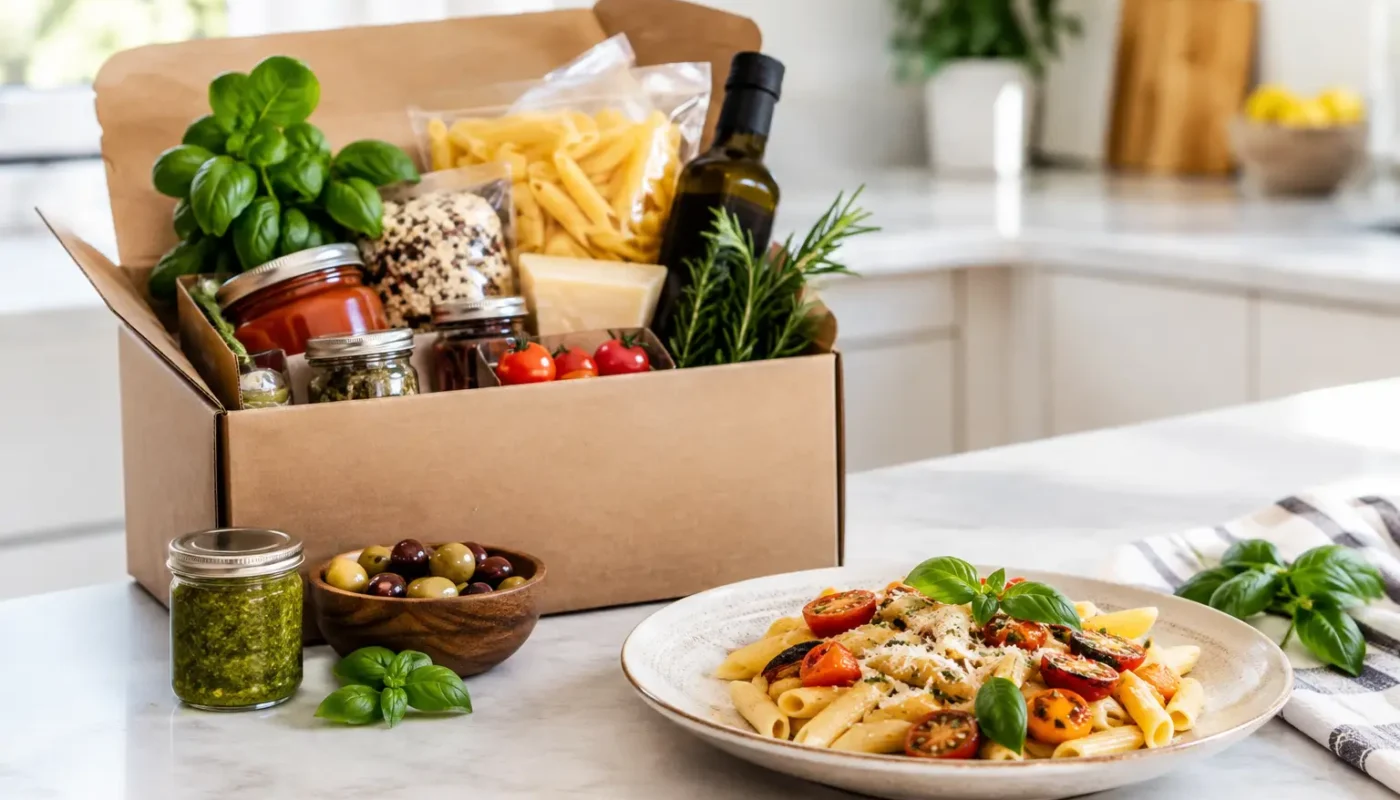
A great pantry is not built by buying everything at once. It comes together bottle by bottle, with ingredients that make you want to cook: a peppery extra virgin olive oil for warm bread, a rich balsamic for berries, a finishing salt that changes a simple tomato salad. Gourmet pantry subscriptions can make that process more enjoyable by bringing a thoughtful rhythm of flavor discovery to the kitchen.
For home cooks who are tired of the same supermarket staples, the appeal is not just convenience. It is the chance to taste ingredients at their best, learn what they do, and keep dinner interesting without filling the cabinet with products that never get used.
Why Gourmet Pantry Subscriptions Feel Different
A typical grocery run is built around necessity. You replace what is gone, grab a familiar sauce, and move on. A well-curated subscription is built around possibility. It may introduce a bright, herbaceous olive oil one month and a deep, barrel-aged balsamic the next, along with a reason to use each one.
That difference matters because premium pantry ingredients earn their place through versatility. Fresh extra virgin olive oil can carry the flavor of a vinaigrette, lend fruitiness to roasted vegetables, or finish a bowl of soup just before serving. A white balsamic can brighten a grain salad, glaze chicken, or add a sweet-tart note to sparkling water. When a shipment includes pairing guidance, an unfamiliar bottle becomes a practical invitation rather than a kitchen mystery.
The best subscriptions also create a more intentional relationship with freshness. Olive oil is not a forever pantry item. Its flavor and beneficial natural compounds are at their peak when it is fresh, properly stored, and used regularly. Receiving smaller, useful quantities on a schedule can be a better fit than buying one oversized bottle and letting it sit beside the stove for a year.
The Pantry Products Worth Receiving Regularly
Not every specialty ingredient belongs in a recurring box. A successful subscription should focus on items that are both exciting and easy to work into everyday cooking.
Extra virgin olive oil is a natural centerpiece. Harvest date, origin, variety, and processing all affect what is in the bottle. An ultra-premium oil may be grassy and pungent, with the pleasant peppery finish associated with fresh, high-quality EVOO. A milder oil may suit baking, delicate fish, or a silky mayonnaise. Rotating through origins such as California, Italy, Australia, Peru, Morocco, or Turkey gives cooks a clear sense of how much character olive oil can have.
Balsamic vinegar is equally useful, especially when the selection moves beyond one standard dark bottle. Dark balsamics can bring fig-like richness to grilled meats, mushrooms, and desserts. White balsamics tend to feel lighter and more vivid, making them especially welcome with fruit, greens, seafood, and summer cooking. Flavored options should taste balanced, not candy-sweet or artificial, with enough acidity to make food come alive.
Spices, salts, honey, and specialty sugars can round out a shipment when they support the oils and vinegars rather than compete with them. Think smoked salt alongside a robust olive oil for potatoes, or a citrusy seasoning paired with a white balsamic for fish tacos. The goal is a pantry with connections between products, not a collection of novelty jars.
What to Look for in Gourmet Pantry Subscriptions
The word “gourmet” can cover everything from genuinely exceptional ingredients to attractive packaging with little substance behind it. Before committing, look for details that show the subscription values what is inside the bottle.
Freshness information is especially meaningful for olive oil. Look for a harvest date when available, credible origin information, and packaging that protects the oil from light. Dark glass or quality tins help preserve flavor better than clear decorative bottles. A seller that explains the difference between extra virgin, infused, fused, and ultra-premium olive oils is also giving you useful context for choosing and cooking.
Curation matters just as much. A shipment should have a point of view, whether that means seasonal ingredients, a regional tasting theme, a dinner-party pairing, or a balance of dependable favorites and new flavors. Receiving three variations of the same sweet condiment may not feel as useful as receiving an oil, a vinegar, and a complementary pantry staple that work together.
Flexibility is worth paying attention to as well. Households cook at different speeds. A person who prepares most meals at home may enjoy a monthly delivery, while a smaller household may prefer every other month. The ability to skip a shipment, adjust frequency, or choose between flavor profiles keeps the experience from becoming clutter.
Finally, consider the guidance that comes with the products. Clear tasting notes, storage tips, recipe ideas, and pairing suggestions can be the difference between a beautiful bottle that stays unopened and an ingredient that becomes part of your weekly cooking.
A Simple Shipment Test
When a box arrives, ask four practical questions:
- Can I use at least one item for a weeknight meal this week?
- Does each product have a distinct flavor role in my pantry?
- Is there enough information to understand how it tastes and how to store it?
- Would I be happy to serve or gift any of these items?
If the answer is yes, the subscription is doing more than delivering products. It is building confidence at the stove.
Making Each Delivery Work Harder
A subscription is most satisfying when the ingredients do not wait for a special occasion. Open the box, taste the olive oil and vinegar on their own, and decide where each one belongs. A small pour of oil with a pinch of salt and a piece of bread reveals its fruitiness, bitterness, and pepper. A spoonful of balsamic tells you whether it wants strawberries, roasted squash, or a cheese board.
Then give every new item one immediate assignment. Use a fresh, delicate EVOO in a lemony vinaigrette. Stir a garlic-infused oil into warm pasta with Parmesan and greens. Brush a fruit balsamic onto peaches before grilling. Drizzle a dark balsamic over vanilla ice cream with a few flakes of sea salt. These are simple moves, but they make premium ingredients feel accessible rather than precious.
Storage protects the experience. Keep olive oil tightly capped in a cool, dark cabinet, away from the heat of the range and direct sun. Do not save it only for company. Fresh oil is meant to be enjoyed, and using it consistently helps you notice its character from one harvest or origin to another. Vinegars are more forgiving, but should still be sealed and stored away from extreme heat.
When a Subscription May Not Be the Best Fit
Gourmet pantry subscriptions are not automatically the right choice for every kitchen. If you cook only occasionally, travel often, or already have a cabinet full of unopened condiments, a one-time tasting set may make more sense. The same is true for cooks with narrow dietary needs or very specific flavor preferences, unless the subscription offers customization.
Value also depends on use. Premium olive oil and balsamic cost more than mass-market versions because sourcing, harvesting, handling, aging, and quality standards matter. The better question is not whether every bottle costs less than a grocery-store alternative. It is whether you use it often enough to improve the meals you already make. A flavorful oil that turns beans, eggs, vegetables, and bread into something memorable can earn its keep quickly.
For gift buyers, subscriptions work best when the recipient enjoys cooking and has room for discovery. They are particularly thoughtful for new homeowners, enthusiastic hosts, newlyweds, and anyone who would appreciate a reason to try a new vinaigrette or finishing drizzle. A thoughtfully selected collection from Weyira Olive Oil & Vinegar can also bring that tasting-gallery feeling to a gift without asking the recipient to be an expert.
The most rewarding pantry is not the one with the most bottles. It is the one that gives you a little more pleasure and confidence every time you make dinner. Choose a subscription that respects freshness, explains flavor, and sends ingredients you will reach for with an open hand.
