
Ultra Premium Olive Oil
12 Rosemary Olive Oil Recipe Ideas to Savor
Aug
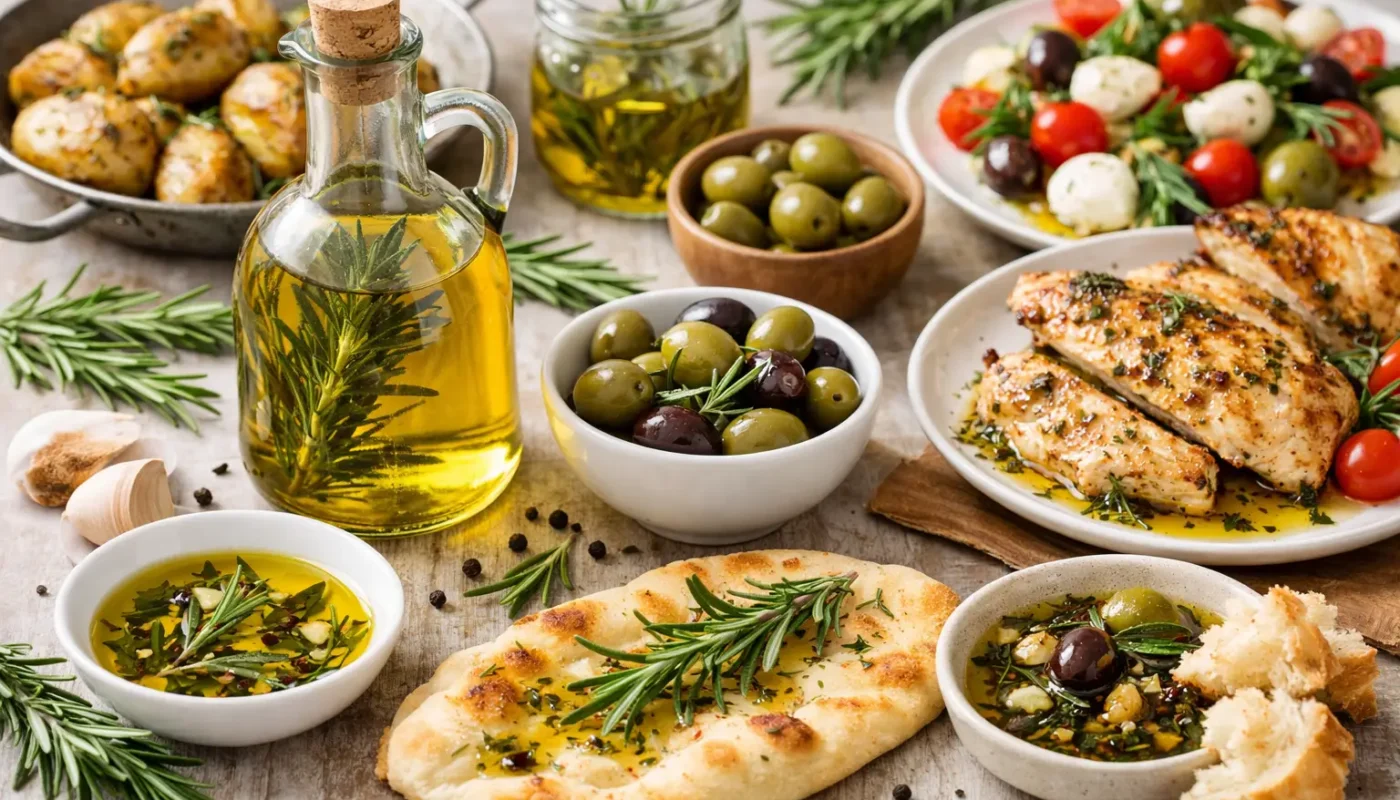
A good rosemary olive oil earns its place long before dinner hits the table. Open the bottle and you get that unmistakable evergreen aroma – savory, bright, and gently peppery – that makes humble potatoes, grilled chicken, and warm bread feel more considered. These rosemary olive oil recipe ideas are designed for cooks who want an easy flavor upgrade without covering up the ingredients they chose so carefully.
The best results begin with a fresh, well-made extra virgin olive oil infused with a clean rosemary character. Look for an oil that tastes lively rather than heavy or artificial. Rosemary is assertive, so a little goes a long way; use it where its piney herbal note can complement sweetness, richness, or char.
Rosemary Olive Oil Recipe Ideas for Every Course
1. Crisp rosemary potatoes with flaky salt
Toss halved baby potatoes with rosemary olive oil, kosher salt, black pepper, and a small pinch of smoked paprika. Roast at 425°F until deeply browned at the edges, turning once so the cut sides caramelize. Finish with flaky sea salt and a squeeze of lemon.
This is one of the simplest ways to appreciate a flavored oil because the potatoes provide a mild, creamy canvas. If serving steak or roast chicken, add a spoonful of whole-grain mustard to the toss for a more savory, bistro-style side.
2. White bean and tomato skillet
Warm rosemary olive oil in a skillet with sliced shallot and red pepper flakes. Add drained cannellini beans, cherry tomatoes, and a splash of broth, then simmer until the tomatoes soften and the beans are glossy. Fold in baby spinach and finish with grated Parmesan or crumbled feta.
Serve with grilled sourdough for a satisfying meatless supper. The oil gives the dish depth that dried rosemary alone often cannot deliver, especially when the pantry is doing most of the work.
3. Grilled chicken with lemon and rosemary
For four chicken thighs or breasts, whisk 3 tablespoons rosemary olive oil with the zest and juice of one lemon, a grated garlic clove, salt, and pepper. Marinate for 30 minutes to 2 hours, then grill or roast until cooked through.
The trade-off is simple: chicken breasts benefit from the shorter end of the marinating time, while thighs can take more flavor without losing their texture. Brush a final teaspoon of oil over the cooked chicken just before serving for a fresher rosemary aroma.
4. Roasted carrots with honey and pistachios
Carrots have an earthy sweetness that rosemary loves. Toss peeled carrots with rosemary olive oil and salt, then roast until tender and bronzed. Drizzle lightly with good honey and scatter with chopped pistachios, finishing with a pinch of citrus zest.
This pairing feels special enough for a holiday table but comes together easily on a weeknight. For a more tangy finish, add a few drops of a bright white balsamic vinegar after roasting rather than before, when its delicate flavor would fade in the oven.
5. Rosemary oil focaccia with olives
A rosemary olive oil is made for bread, and focaccia gives it room to shine. Press dimpled dough into an oiled pan, then drizzle generously with rosemary olive oil. Add pitted olives, thinly sliced red onion, and flaky salt before baking until golden.
Use the oil both in the pan and over the surface. The bottom develops a crisp, fragrant crust, while the top stays tender and aromatic. Set the bottle on the table for anyone who wants an extra finishing drizzle over a warm slice.
6. Sheet-pan salmon with green beans
Arrange salmon fillets and trimmed green beans on a sheet pan. Toss the beans with rosemary olive oil, salt, pepper, and lemon slices; brush the salmon with the same mixture. Roast at 400°F until the fish flakes easily and the beans are just tender.
Rosemary can be stronger than delicate fish, so keep the seasoning restrained and let lemon carry some of the brightness. A final spoonful of olive oil after cooking is preferable to adding too much before roasting.
7. Savory roasted grapes and ricotta crostini
Roast red grapes with rosemary olive oil, a pinch of salt, and black pepper until they begin to collapse and release their juices. Spread whipped ricotta onto toasted baguette slices, spoon over the warm grapes, and finish with walnuts.
The combination lands between sweet and savory, making it an excellent appetizer for wine night or a holiday gathering. If the grapes are particularly sweet, add a few drops of aged balsamic vinegar to sharpen the finished bite.
8. Rosemary olive oil popcorn
For an unexpected snack, make plain stovetop or air-popped popcorn and toss it while hot with rosemary olive oil, finely grated Parmesan, and flaky salt. Add a pinch of cayenne if you enjoy a little heat.
This works because the oil clings to the kernels better than dry herbs do. Keep the seasoning simple: too much cheese or spice can bury the elegant rosemary flavor that makes this snack feel more polished than standard buttered popcorn.
9. Creamy polenta with roasted mushrooms
Whisk creamy polenta with butter or Parmesan, then top it with mushrooms roasted in rosemary olive oil. Cremini, oyster, or shiitake mushrooms all work well. Add a spoonful of mascarpone to the polenta if you want a richer, dinner-party-worthy base.
The herbal oil brings a welcome lift to a dish that can otherwise lean very rich. For contrast, finish the mushrooms with a small splash of balsamic vinegar or a handful of peppery arugula.
10. Rosemary vinaigrette for grain salads
Whisk 2 tablespoons rosemary olive oil with 1 tablespoon balsamic vinegar, 1 teaspoon Dijon mustard, a touch of honey, salt, and pepper. Toss it with farro, roasted squash, dried cherries, and goat cheese, or use it on quinoa with chickpeas and cucumbers.
A rosemary vinaigrette is especially useful in cool-weather salads, where leafy greens alone may feel too light. Choose a milder vinegar when pairing with delicate vegetables; a dark, aged balsamic is lovely with squash, beets, and grains.
11. Citrus rosemary olive oil cake
Olive oil cake is one of the most rewarding ways to use a flavored oil. Replace part or all of the plain olive oil in a simple citrus cake with rosemary olive oil, then pair it with orange or lemon zest. The result is tender, fragrant, and only gently herbal.
It depends on the intensity of your oil: if it has a bold rosemary profile, use half rosemary oil and half a mild extra virgin olive oil. Serve the cake with berries, lightly sweetened yogurt, or a dusting of powdered sugar.
12. Warm dipping oil for a shared table
Pour rosemary olive oil into a shallow dish with a pinch of flaky salt, cracked pepper, lemon zest, and a little finely grated Parmesan. Serve with warm crusty bread, radishes, or crisp raw vegetables.
This may be the least complicated idea here, but it asks the most of the oil itself. A premium rosemary olive oil brings freshness, balance, and a lingering savory finish that a generic bottle cannot imitate. At Weyira Olive Oil & Vinegar, that tasting-gallery approach is exactly what turns a simple bread course into a small occasion.
A Few Smart Ways to Cook With Rosemary Olive Oil
Use rosemary olive oil as a finishing oil when you want its aroma to be most noticeable. It is also excellent for roasting, sautéing, and baking, though high heat will naturally soften some of the fresh herbal top notes. Save a little for the end whenever possible.
Pair it with ingredients that welcome its woodsy character: lemon, garlic, beans, mushrooms, lamb, chicken, winter squash, potatoes, olives, grapes, and aged cheeses are all natural companions. It can be less successful with very delicate flavors, such as mild white fish or lightly sweet fruit, unless the oil is used sparingly.
If you make herb-infused oil at home, treat it differently from a professionally prepared product. Fresh herbs introduce moisture, so homemade infused oils should be refrigerated and used promptly. A quality bottled rosemary olive oil offers consistent flavor and is the easier choice for everyday cooking, gifting, and keeping on the counter for a finishing pour.
Keep one bottle near the stove and another near the table. The first helps build flavor; the second lets you taste what a final ribbon of fresh, aromatic oil can do.
