
Ultra Premium Olive Oil
Balsamic Glaze vs Balsamic Vinegar for Cooking
Jul
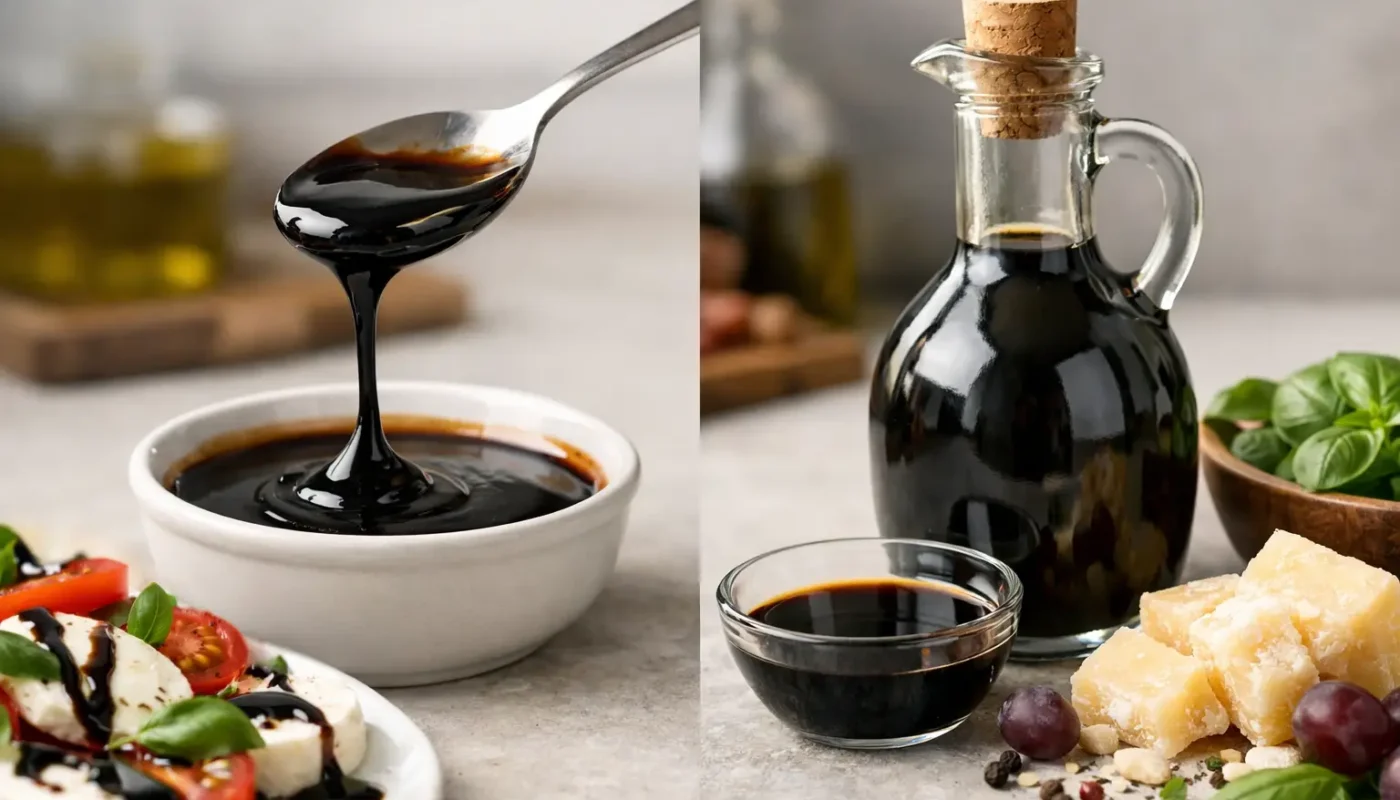
A caprese salad can tell you almost everything you need to know about balsamic glaze vs balsamic vinegar. Drizzle a little premium balsamic vinegar over ripe tomatoes, fresh mozzarella, and basil, and it brings lively acidity, fruit, and balance. Add a ribbon of glaze, and the same plate becomes richer, sweeter, and more dramatic. Neither choice is wrong. They simply do different jobs.
For cooks who care about flavor, the difference is worth understanding. A good balsamic vinegar can brighten a pan sauce, sharpen a vinaigrette, or add depth to a braise. Balsamic glaze is a finishing ingredient with a concentrated, syrupy presence that makes a plate look as inviting as it tastes. Knowing when to reach for each lets you build layers of flavor instead of relying on sweetness alone.
Balsamic Glaze vs Balsamic Vinegar: The Core Difference
Balsamic vinegar is a liquid vinegar made with grape must, the freshly pressed juice that includes skins, seeds, and stems, then aged or matured to develop its signature sweet-tart character. Its body, acidity, and complexity vary considerably by style and quality. A carefully crafted balsamic can offer notes of ripe grape, fig, cherry, dried fruit, oak, caramel, or spice while still retaining a clean acidic lift.
Balsamic glaze, sometimes called balsamic reduction, is thicker and sweeter. It is typically made by reducing balsamic vinegar over gentle heat until water evaporates and the flavor concentrates. Commercial glazes may also include sweeteners or thickeners to create a consistent, pourable syrup. The result clings to food rather than soaking into it.
Think of balsamic vinegar as an ingredient that can shape a dish from the beginning, middle, or end of cooking. Think of glaze as a final flourish. Vinegar brings contrast. Glaze brings concentration.
Flavor, Texture, and Acidity on the Plate
The most noticeable difference is texture. Balsamic vinegar flows easily, which makes it ideal for whisking into olive oil, seasoning vegetables, or deglazing a skillet. It disperses through a dish and reaches every bite. Even a naturally thick, well-aged balsamic remains a vinegar, with enough fluidity and acidity to play well in dressings and marinades.
Glaze has the body of a light syrup. A small drizzle stays visible on grilled peaches, roasted Brussels sprouts, steak, pizza, or a cheese board. That thickness can be beautiful, but it changes how the flavor lands. Instead of a bright, even seasoning, you get pockets of sweet-tangy intensity.
Acidity is the other major distinction. Because glaze is reduced and often sweetened, it generally tastes softer and less tart than balsamic vinegar. That can be exactly what a dish needs. A sharp, peppery arugula salad may welcome a glossy sweet finish, while a rich roasted pork tenderloin can benefit from glaze’s jammy character.
But sweetness is not always the answer. If a dish already includes honey, ripe fruit, caramelized onions, barbecue sauce, or a sweet spice blend, glaze can push it too far. In those moments, a balanced balsamic vinegar adds lift and definition without making the dish feel heavy.
Quality Still Matters
A premium balsamic vinegar does not need to be overly thick or sugary to feel luxurious. Its appeal is balance: a naturally rich grape flavor, pleasing acidity, and a finish that invites another taste. The best bottles offer enough complexity to sip in tiny amounts, yet enough versatility to use generously in everyday cooking.
That quality becomes especially clear in a vinaigrette. A mass-market vinegar may require extra sugar, mustard, or other ingredients to round out its flavor. A well-made dark or white balsamic can make a memorable dressing with little more than extra virgin olive oil, a pinch of salt, and perhaps a twist of black pepper.
When Balsamic Vinegar Is the Better Choice
Reach for balsamic vinegar when you want to season, balance, or build a dish. It is the more flexible pantry ingredient, particularly for cooks who enjoy experimenting with pairings.
In vinaigrettes, balsamic vinegar emulsifies beautifully with extra virgin olive oil and gives greens, grains, and vegetables a clean finish. Its acidity cuts through creamy cheeses, fatty cuts of meat, and roasted vegetables. For a simple everyday ratio, start with about three parts olive oil to one part balsamic, then adjust to your taste. A fruit-forward balsamic may need less oil; a brighter style may welcome a touch more.
It also shines in marinades. Balsamic vinegar adds flavor to chicken, mushrooms, pork, and portobello caps, but use restraint with delicate proteins. Acid changes the surface of meat over time, so a brief marinade is usually plenty for fish and seafood. For chicken or pork, combine balsamic with olive oil, garlic, herbs, and salt, then let the ingredients work for a few hours rather than overnight.
On the stovetop, balsamic vinegar is excellent for deglazing. After sautéing shallots or searing chicken, add a splash to loosen the flavorful browned bits from the pan. Follow with stock, butter, or olive oil, and you have a quick sauce with far more character than its effort suggests. It is also a lovely finishing touch for lentil soup, roasted beets, sautéed greens, and mushroom dishes.
White balsamic deserves a place in this conversation, too. It delivers bright, fruit-friendly acidity without darkening pale foods. Use it when you want the tang of balsamic with a lighter visual touch on chicken, cauliflower, summer salads, or fresh fruit.
When Balsamic Glaze Earns Its Place
Glaze is at its best when appearance, cling, and concentrated sweetness matter. Use it after cooking, not as the main acidic component of a recipe.
A few drops can transform a cheese board. Try it over fresh mozzarella, burrata, goat cheese, aged Parmesan, or a wedge of blue cheese, where its sweetness plays against salt and creaminess. It also pairs naturally with strawberries, figs, peaches, pears, and vanilla ice cream. The key is to drizzle lightly. Glaze should accent the food, not bury it.
For savory dishes, add it to grilled chicken, seared steak, roasted squash, asparagus, or flatbread just before serving. Its glossy finish makes it especially useful for entertaining, when a familiar dish benefits from one polished final detail. On pizza, a restrained drizzle over prosciutto, arugula, or roasted vegetables adds contrast without requiring another sauce.
Avoid adding glaze early in high-heat cooking. Its sugars can scorch quickly, leaving a bitter or sticky pan. If you want a glaze-like finish on cooked meat or vegetables, brush it on during the last minute or two, then add a final fresh drizzle off the heat.
Can You Substitute One for the Other?
Sometimes, but the substitution changes the dish.
If a recipe calls for balsamic vinegar and you use glaze, thin the glaze first with water, stock, citrus juice, or a little more vinegar. Then reduce or omit any added sugar. Otherwise, a salad dressing or pan sauce may become too thick and noticeably too sweet.
If a recipe calls for glaze and you only have balsamic vinegar, you can make a quick reduction. Simmer the vinegar gently in a small pan until it coats the back of a spoon. Start with more than you think you need because it will reduce significantly. Watch it closely near the end, as the line between glossy and scorched is a short one.
Still, a quick homemade reduction will reflect the vinegar you start with. Begin with a flavorful balsamic, and the result will taste fuller and more refined. Begin with a harsh or thin vinegar, and reducing it may amplify the flaws along with the sweetness.
A Better Pantry Strategy
For most home kitchens, keep a quality balsamic vinegar as the foundation and add balsamic glaze when you enjoy its finishing style. The vinegar will serve more recipes, from weeknight vinaigrettes to holiday marinades. Glaze is the specialty touch you reach for when grilled fruit, a charcuterie board, or a plated dinner calls for a little visual and flavorful drama.
It is also useful to keep flavor profiles in mind. A traditional dark balsamic is naturally at home with tomatoes, beef, mushrooms, berries, and aged cheese. Fruit-infused balsamics can be wonderful with salads and desserts, while white balsamics bring brightness to lighter vegetables, seafood, and fresh summer dishes. Pair any of them with a fresh, well-chosen extra virgin olive oil, and simple ingredients start to taste intentional.
The next time you stand over a finished dish with both bottles nearby, ask one practical question: does this need brightness, or does it need a sweet finishing note? Choose balsamic vinegar for the first and glaze for the second. Your palate will usually know the difference before the first bite is gone.
