Balsamic Vinegar, Dark Balsamic Vinegar
Best Balsamic Vinegar for Salad Picks
Jul
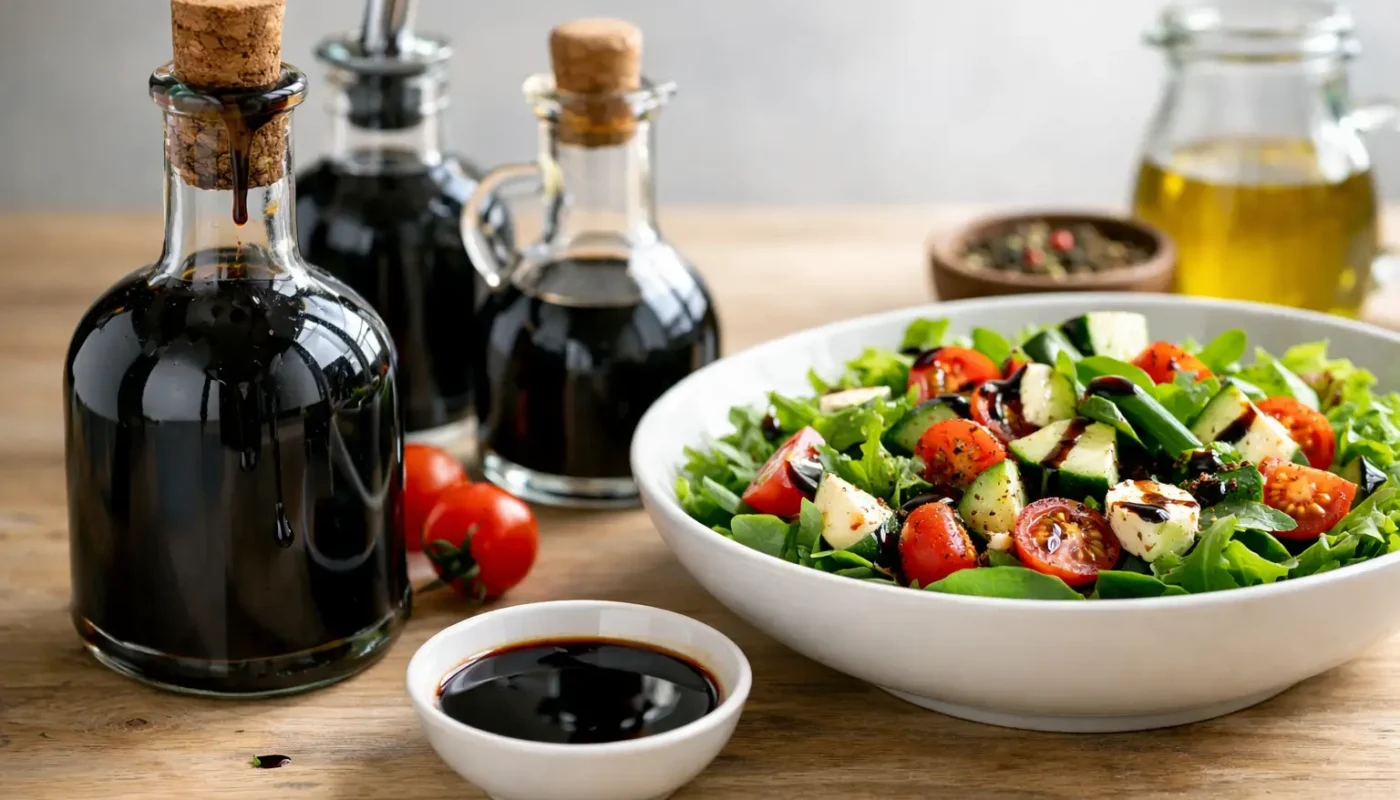
A flat, overly sharp balsamic can make a beautiful salad taste one-dimensional in seconds. The best balsamic vinegar for salad does the opposite – it wakes up greens, rounds out bitterness, and brings just enough sweetness and acidity to make every ingredient taste more like itself.
That is why choosing balsamic for salad is less about grabbing the darkest bottle on the shelf and more about understanding what style belongs in your bowl. A peppery arugula salad wants something different from a strawberry spinach salad. A grain bowl with roasted vegetables can handle more depth than delicate butter lettuce. Once you know what to look for, picking the right balsamic becomes much easier and much more enjoyable.
What makes the best balsamic vinegar for salad?
For salad, balance matters more than intensity alone. You want acidity that feels lively, but not harsh, and sweetness that softens the edges without turning the dressing syrupy. The best bottles have a clean finish and enough body to cling lightly to greens instead of sliding to the bottom of the bowl.
A good salad balsamic should also taste layered. You may notice notes of fig, raisin, cherry, molasses, or even a gentle wood character from aging. That complexity is what makes a simple vinaigrette feel restaurant-worthy, even when the ingredient list is short.
Texture plays a role too. Thick does not always mean better. For a mixed green salad, a medium-bodied balsamic is often ideal because it blends easily with olive oil and coats leaves evenly. A very dense, glaze-like balsamic can be wonderful in small amounts, but it may overpower tender greens if used like a standard vinaigrette ingredient.
Dark balsamic or white balsamic?
This is one of the most useful places to start.
Dark balsamic for bold, earthy, and sweet salads
Dark balsamic is what most people picture first. It tends to bring deeper sweetness and more richness, making it a natural partner for salads with stronger flavors. Think spinach with walnuts, arugula with shaved Parmesan, roasted beet salads, or mixed greens with apples and blue cheese.
It also works beautifully when you want the dressing to feel a little more substantial. Pair it with a fresh extra virgin olive oil, a touch of Dijon, and a pinch of sea salt, and even a basic salad feels thoughtful.
White balsamic for delicate and bright salads
White balsamic is often the better choice when appearance and delicacy matter. It has brightness and sweetness, but usually with a lighter, cleaner profile. It will not stain soft greens or pale vegetables the way dark balsamic can.
Use white balsamic when your salad features cucumber, citrus, herbs, melon, pear, or fresh mozzarella. It is especially good in spring and summer salads where you want lift instead of depth. If dark balsamic can feel like velvet, white balsamic feels more like silk.
How aging changes salad performance
Not every salad needs a heavily aged balsamic. In fact, many do better with a younger, more agile vinegar.
Younger balsamics usually have brighter acidity and a lighter body. They are excellent for everyday vinaigrettes, chopped salads, and grain-based salads where you want freshness to come through. They also play nicely with infused olive oils and other flavor additions like garlic, shallot, or citrus.
More aged balsamics tend to be sweeter, rounder, and more concentrated. These shine when the salad includes bitter greens, roasted vegetables, aged cheese, toasted nuts, or fruit. A little goes a long way. If your balsamic tastes lush and dense on its own, use it more like a finishing ingredient than a pour-heavy dressing base.
This is where personal taste matters. Some people love a brighter edge in salad dressing. Others want a softer, richer profile. Neither is wrong. It depends on what is in the bowl and what kind of meal you are building.
The best balsamic vinegar for salad depends on the salad
A bottle can be excellent and still not be the right match for every plate.
Best for leafy green salads
For romaine, spring mix, spinach, and baby greens, look for a balanced dark balsamic or a lively white balsamic with moderate sweetness. You want enough acidity to sharpen the greens and enough body to carry flavor, but not so much density that the leaves collapse under it.
Best for fruit-forward salads
Salads with strawberries, peaches, blackberries, pears, or citrus benefit from balsamic that feels polished rather than aggressive. White balsamic is often the easiest choice here, though a smooth dark balsamic can be beautiful with berries, stone fruit, and goat cheese. The goal is harmony, not dessert.
Best for grain and roasted vegetable salads
Farro, quinoa, lentils, roasted carrots, squash, or Brussels sprouts can handle deeper balsamic character. A darker, more mature vinegar adds richness and ties together sweet and savory flavors. This is also a great place to use balsamic with fig-like or molasses notes.
Best for tomato and mozzarella salads
A clean, well-balanced balsamic matters here because the ingredient list is usually simple. If you love a classic caprese style salad, choose a balsamic with natural sweetness and a smooth finish. If you want the tomatoes and basil to stay visually bright, white balsamic is a smart alternative.
What to avoid when shopping
The quickest disappointment usually comes from bottles that taste sharply acidic with a blunt sweetness behind them. If the flavor reminds you more of generic vinegar plus caramelized sugar than cooked grape must and aging, it is unlikely to make your salads shine.
Be cautious with balsamics that are extremely thick but not especially nuanced. Density can look impressive, but for salad, flavor balance matters more than syrupy texture. Also watch ingredient quality. A premium balsamic should taste intentional, not engineered.
Price can offer clues, but it is not the only signal. An expensive bottle is not automatically the best balsamic vinegar for salad if what you really need is a fresher, lighter style for vinaigrettes. Buying by use case is usually smarter than buying by prestige alone.
How to pair balsamic with olive oil for better salads
Balsamic and olive oil should support each other, not compete. A grassy, peppery extra virgin olive oil can add beautiful structure to sweeter balsamic, especially in salads with bitter greens. A milder, buttery olive oil may be better when the salad is delicate and the balsamic is already expressive.
If your balsamic is bold and richly aged, use a softer hand with the oil ratio so the vinegar still shows its character. If your balsamic is bright and youthful, a generous pour of high-quality olive oil can smooth the edges and create a more rounded vinaigrette.
This is one reason specialty tasting matters so much. Once you try different olive oils and balsamics side by side, you start to notice how dramatically the pairing can shift the final salad. At Weyira Olive Oil & Vinegar, that sense of discovery is part of what makes pantry staples feel like real ingredients instead of afterthoughts.
Simple ways to tell if your balsamic is salad-worthy
Taste a small spoonful on its own first. It should be pleasantly tangy, but not abrasive. Then imagine it with greens, oil, salt, and a few fresh ingredients. If the sweetness feels natural and the finish is clean, you are in good territory.
Next, try the classic test: whisk it with good olive oil and a pinch of salt. If it comes together quickly and tastes balanced without needing much sugar, honey, or mustard to rescue it, that is a strong sign you have a quality salad balsamic.
You can also pay attention to how it behaves on the palate. A good balsamic for salad lingers just enough to feel flavorful, then clears out cleanly. If it leaves a harsh bite or sticky heaviness, it may be better suited to cooking than fresh dressing.
A few final buying tips
If you build salads several times a week, keep two styles on hand: one dark balsamic for hearty greens and one white balsamic for lighter, brighter combinations. That small shift gives you far more flexibility than relying on a single bottle for everything.
When in doubt, choose balance over drama. The best balsamic vinegar for salad is not necessarily the oldest, sweetest, or thickest. It is the one that makes your greens taste fresher, your toppings taste more vivid, and your dressing feel complete without much effort.
A really good balsamic has a way of changing how you cook at home. Suddenly a bowl of greens is not just a side dish. It is the part of the meal everyone reaches for first.
