Ultra Premium Olive Oil
Is Olive Oil Good for Sautéing? The Better Answer
Jul
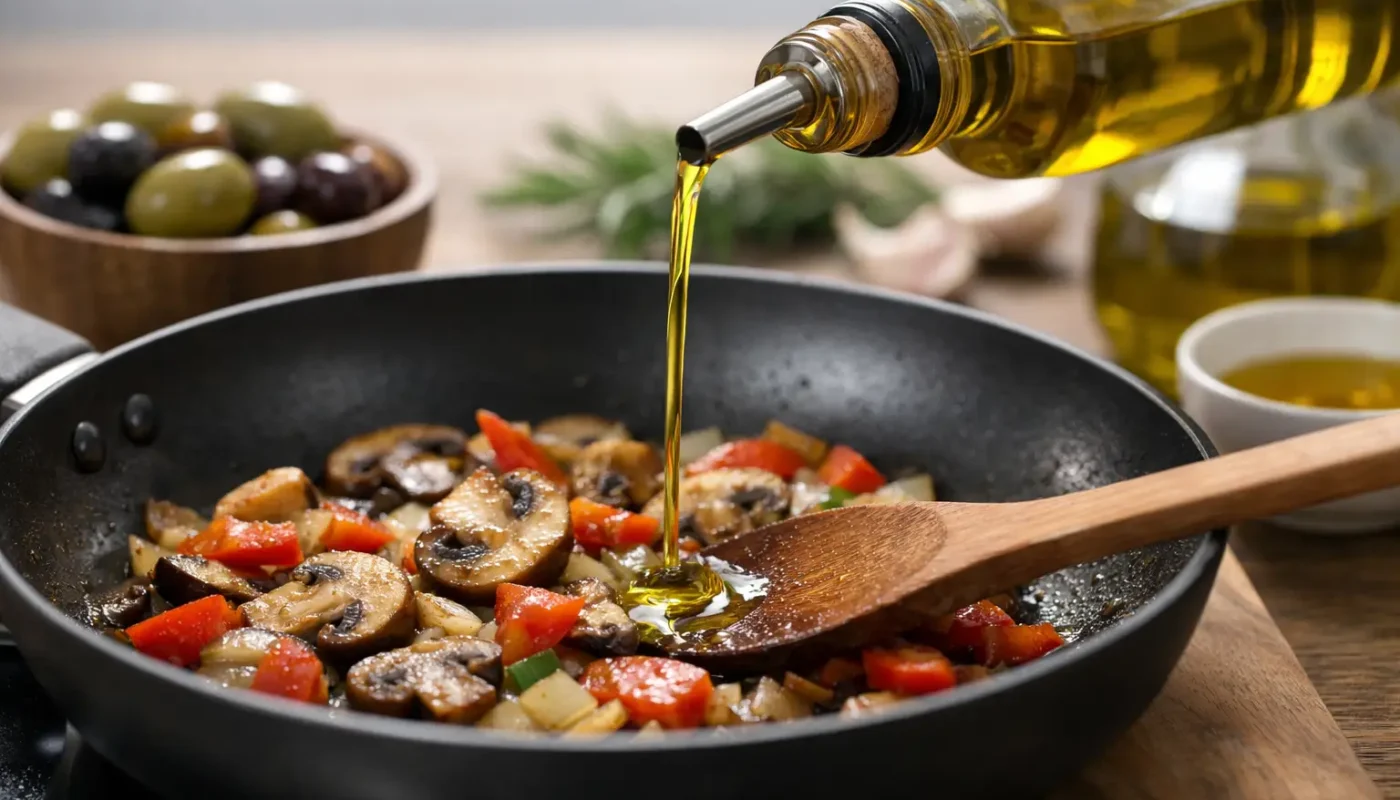
A skillet of onions turning soft and sweet, garlic blooming for just a few seconds, mushrooms taking on a deep golden edge – these are the moments when a good olive oil earns its place in the kitchen. So, is olive oil good for sautéing? Absolutely. For most everyday sautéing, extra virgin olive oil offers excellent performance along with the fresh, rounded flavor that turns simple ingredients into something worth serving.
The hesitation usually comes from one question: what about the smoke point? It is a fair question, but it does not tell the whole story. The best choice depends on how hot your pan is, what you are cooking, and whether you want the oil to bring its own character to the dish.
Is Olive Oil Good for Sautéing at High Heat?
Sautéing is generally a medium to medium-high heat technique, not a full-throttle test of your burner. You are cooking food quickly in a small amount of fat, stirring or tossing often, and looking for tender interiors, caramelized edges, and concentrated flavor. That is a very comfortable job for olive oil.
Extra virgin olive oil typically has a smoke point suitable for routine stovetop cooking, often around 350 to 410 degrees F. The exact number varies with the oil’s freshness, quality, and free fatty acid level. High-quality EVOO is not simply a delicate finishing oil. Its natural antioxidants and phenolic compounds also help it resist breakdown during cooking.
What matters most is using sensible heat. If the oil is smoking aggressively before food goes in, the pan is too hot. Turn down the burner, let the skillet cool briefly, and start again. A quiet shimmer is what you want. When a piece of onion or vegetable sizzles right away without scorching, you are in the right zone.
There are a few situations where another oil may be more practical. For prolonged high-heat searing, wok-style cooking over an intensely hot flame, or frying where the oil must stay at high temperature for a long time, choose an oil made for those conditions or a refined olive oil with a higher smoke point. For the vast majority of home-cooked vegetables, chicken cutlets, seafood, beans, eggs, and sauces, extra virgin olive oil is a beautiful choice.
Why Quality Makes a Difference in the Pan
Fresh olive oil tastes alive. Depending on the variety and harvest, it may be buttery, herbaceous, grassy, peppery, fruity, or pleasantly bitter. Those qualities can bring real dimension to sautéed food. A bright, green EVOO can wake up zucchini, asparagus, broccoli rabe, and white beans. A softer, more delicate oil suits eggs, mushrooms, fish, and tender spring vegetables.
Quality also affects cooking behavior. Fresh, properly stored extra virgin olive oil is cleaner tasting and more stable than an old bottle that has spent months in heat or direct light. A stale oil can taste waxy, flat, or rancid before it ever reaches the skillet. Heat will not improve it.
This is why origin, harvest freshness, and storage matter. Treat a premium olive oil as you would a fine pantry ingredient rather than a bottle to leave beside the stove for months. Keep it tightly closed in a cool, dark cabinet, and buy a size you can enjoy while it is still tasting its best.
Match the Olive Oil to What You Are Cooking
A sauté pan is one of the easiest places to enjoy the range of olive oil styles. You do not need a different bottle for every meal, but choosing with flavor in mind makes cooking more rewarding.
A medium-intensity extra virgin olive oil is the most versatile starting point. It has enough presence to stand up to onions, garlic, tomatoes, leafy greens, and roasted-pepper-style flavors without overwhelming the plate. Use it for weekday pasta sauces, skillet vegetables, grain bowls, soups, and quick chicken dishes.
A robust, peppery EVOO shines with bolder foods. Think kale, cabbage, lentils, sausages, chickpeas, peppers, or a skillet of mushrooms finished with thyme. The peppery finish may soften somewhat with heat, but it still leaves a savory backbone that makes a dish taste more complete.
Delicate EVOO is lovely when the ingredient itself is subtle. Sauté shrimp gently, soften leeks for a quiche, or cook a few eggs in a lighter oil. The goal is not to make the oil disappear. It is to let its fruitiness support the food rather than dominate it.
Fused and infused olive oils can also bring a welcome shortcut to the skillet. Garlic olive oil gives greens and white beans an instant savory base. Lemon olive oil is especially good with shrimp, chicken, asparagus, and artichokes. Chile-infused oil can add warmth to sautéed vegetables or a pan of crispy chickpeas. Use these oils over moderate heat, and consider finishing with a small fresh drizzle after cooking if you want their aromatic flavor to be more pronounced.
A Simple Method for Better Sautéing
Good sautéing is less about chasing a precise temperature and more about paying attention to the pan. Start with a skillet that is large enough to give your ingredients room. Crowding traps steam, which can leave vegetables pale and watery instead of tender with browned edges.
Warm the pan first over medium heat, then add enough olive oil to lightly coat the surface. Let it heat for a moment until it looks fluid and shimmery. Add the ingredients in a relatively even layer. If you are cooking onions or dense vegetables, give them a minute of contact with the pan before stirring. That is how flavor develops.
Salt also deserves a little strategy. For onions, greens, and vegetables you want to soften, a small pinch early on helps draw out moisture. For mushrooms, wait until they have begun to brown so they can release water at a more controlled pace. If the pan starts looking dry, add another small pour of olive oil rather than turning up the heat.
Garlic, fresh herbs, and delicate spices should usually go in near the end. They can become bitter quickly in a hot, dry pan. A practical sequence is to sauté the main ingredient first, then lower the heat slightly and add garlic for the final 30 to 60 seconds. A splash of balsamic vinegar, lemon juice, broth, or wine can lift the browned bits from the pan and turn them into a quick, flavorful glaze.
Common Olive Oil Sautéing Mistakes
The most common mistake is treating smoke as a sign of success. It is not. Smoking oil can taste harsh, fill the kitchen with odor, and make delicate ingredients burn before they cook through. Medium heat is often more useful than high heat, especially with extra virgin olive oil.
Another mistake is expecting every EVOO to taste the same after cooking. Heat mutes some of the oil’s more fragrant notes, so a final drizzle is often the best way to preserve that just-opened-bottle aroma. Cook with one tablespoon, then finish the dish with another teaspoon of fresh oil before serving. This small step is particularly good on sautéed greens, pasta, beans, grilled bread, and fish.
Finally, do not confuse “light olive oil” with a light-calorie option. The term usually refers to a more refined oil with a milder flavor, not fewer calories. It can be useful when you want a neutral profile or higher-heat flexibility, but it will not deliver the vivid fruitiness and peppery complexity of a fresh extra virgin olive oil.
Let the Skillet Become a Tasting Experience
Olive oil is good for sautéing because it does more than prevent food from sticking. It carries flavor, helps ingredients brown, rounds out acidity, and gives everyday cooking a sense of generosity. A premium bottle invites you to notice the difference between sweet onions cooked in a mellow oil and bitter greens softened in a peppery one.
The next time you reach for a skillet, begin with a fresh olive oil, keep the heat steady, and let the aroma guide you. A final pour at the table can turn a simple sauté into the kind of dish people lean over for one more bite.
