
Balsamic Vinegar, Dark Balsamic Vinegar, White balsamic vinegar
Dark Balsamic vs White Balsamic
Jul
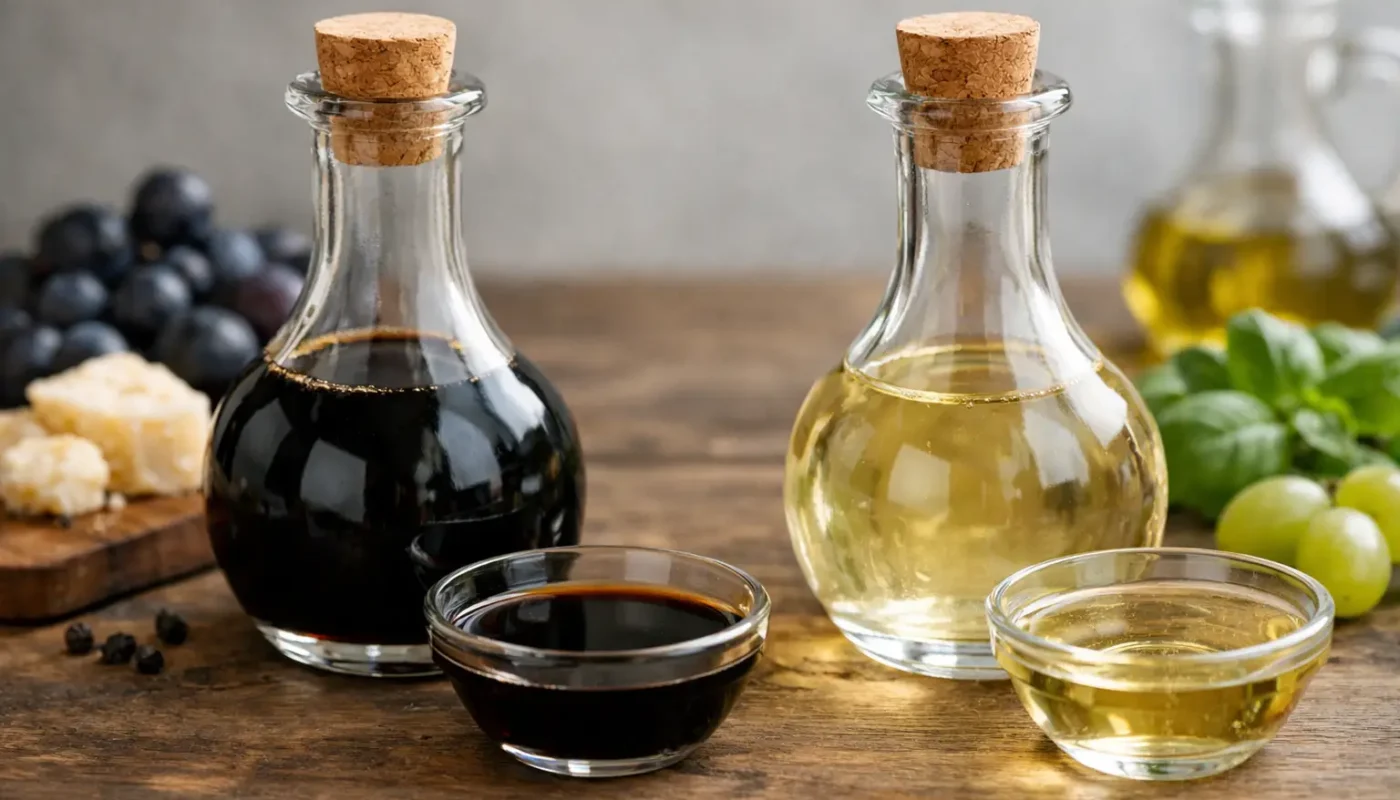
A Caprese salad can tell you everything you need to know about dark balsamic vs white balsamic. One will drape the tomatoes and mozzarella with deep sweetness and a rich mahogany finish. The other will brighten the same plate with gentle tang and glossy acidity, without turning white cheese beige. Both are delicious. They just do different jobs in the kitchen.
That difference matters more than most shoppers realize. If you love building better vinaigrettes, finishing roasted vegetables, or giving simple ingredients a restaurant-style lift, choosing the right balsamic changes the whole result. This is less about which one is better and more about which one makes the flavor you want.
Dark balsamic vs white balsamic: the real difference
The easiest distinction is color, but that is only the beginning. Dark balsamic is cooked and aged in a way that develops a deeper hue, fuller body, and more concentrated sweetness. It usually brings notes that feel rounder and richer – think fig, molasses, dried fruit, raisin, or even a subtle woodiness depending on how it was produced and aged.
White balsamic is made to preserve a lighter color and a fresher profile. The grape must is cooked more gently or under conditions that limit darkening, then blended and matured to keep the vinegar pale and lively. The flavor is still sweet compared with many standard vinegars, but it lands with a cleaner, brighter finish.
If dark balsamic feels plush and dramatic, white balsamic feels polished and nimble. That is why both belong in a well-stocked pantry.
How they taste on the plate
Dark balsamic tends to be more assertive. It can add sweetness, acidity, and depth all at once, which makes it especially appealing when a dish needs body. Drizzled over strawberries, reduced into a glaze, or whisked into a marinade, it has enough personality to stand out.
White balsamic is usually the better choice when you want balance without visual weight. It lifts rather than blankets. In a citrus salad, a cucumber dressing, or a delicate pan sauce, it gives you acidity with a soft fruitiness that does not dominate the other ingredients.
This is where people sometimes get tripped up. They hear “white” and assume it must be sharper or harsher, like white distilled vinegar. Good white balsamic is nothing like that. It is refined, lightly sweet, and much more layered than a basic pantry acid.
When dark balsamic is the better choice
Dark balsamic shines when color and richness work in your favor. It pairs beautifully with roasted meats, mushrooms, caramelized onions, aged cheeses, and grilled vegetables because it echoes savory depth while adding a sweet-sour edge.
It is also ideal for reductions. As dark balsamic cooks down, its sugars concentrate and the texture turns syrupy. That makes it useful for finishing pork tenderloin, duck breast, roasted Brussels sprouts, or even vanilla ice cream if you enjoy savory-sweet contrast.
In vinaigrettes, dark balsamic creates a fuller, slightly sweeter dressing than lemon juice or wine vinegar would. Combined with a robust extra virgin olive oil, Dijon, and a pinch of sea salt, it gives salads a classic steakhouse feel. Use it with greens that can handle a little weight, such as arugula, radicchio, spinach, or romaine.
There is one trade-off. Its color can muddy lighter dishes. If you are dressing pear slices, fresh mozzarella, or a spring vegetable salad, dark balsamic may taste wonderful but change the look of the plate.
When white balsamic is the better choice
White balsamic earns its place when freshness, color, and subtlety matter. It is excellent with seafood, chicken, fruit, avocado, fennel, melon, stone fruit, and salads built around herbs or tender greens. You still get sweetness and acidity, but with a lighter hand.
It is especially useful in recipes where appearance counts. A white balsamic vinaigrette keeps a pasta salad bright. It lets tomato and cucumber salads stay vibrant. It preserves the clean look of a butter sauce, a slaw, or a fruit compote.
This vinegar is also a quiet hero in layered dressings. Blend it with a delicate olive oil, a spoonful of honey, and fresh herbs, and you get something that tastes elevated without feeling heavy. It works beautifully in entertaining because the flavor reads polished and versatile.
Its trade-off is the same quality that makes it so useful – restraint. If you want a bold finishing drizzle or a sticky glaze, white balsamic usually will not deliver the same drama as dark.
Dark balsamic vs white balsamic in cooking
Heat changes both vinegars, but not in the same way. Dark balsamic becomes denser and sweeter as it reduces, which can be a major advantage in sauces and glazes. White balsamic holds onto a cleaner acidity and is often best added toward the end of cooking or used in cold preparations where its brightness stays intact.
For marinades, it depends on the dish. Dark balsamic complements beef, lamb, and portobello mushrooms especially well. White balsamic is excellent with chicken, shrimp, scallops, and vegetables like asparagus or zucchini.
For pan sauces, white balsamic can be a smart choice when you want acidity without making the sauce look dark and heavy. For a roasted or grilled finish, dark balsamic often brings the more luxurious result.
Which one is sweeter?
In many cases, dark balsamic tastes sweeter because its flavor is more concentrated and its deeper notes suggest richness. White balsamic can still contain notable sweetness, but it tends to present as fresher and lighter. That means the palate often reads it as less sweet even when the difference is not dramatic.
This is why tasting matters. Two premium balsamics can share a similar base quality and still behave very differently depending on producer style, aging, and added flavor infusions. One dark balsamic may be lush and almost jammy, while another is more restrained. One white balsamic may lean floral and crisp, while another tastes softly tropical.
How to pair each with olive oil
A good pairing makes the vinegar feel more complete. Dark balsamic usually matches best with medium to robust extra virgin olive oils that have enough peppery structure to stand beside its sweetness. The result is balanced, especially in dressings for hearty greens, grain bowls, and grilled vegetables.
White balsamic often pairs beautifully with mild to medium olive oils, including buttery or grassy styles that let its brightness show through. This combination is excellent for simple vinaigrettes, seafood finishing, and fruit-forward salads.
If you enjoy flavored oils, the pairing possibilities get even more interesting. Dark balsamic loves partners like garlic, rosemary, or citrus-forward olive oils when you want contrast and depth. White balsamic is especially good with herbaceous, lemon, basil, or more delicate fused oils.
Do you need both?
If you cook often and care about flavor, yes, both are worth having. They are not duplicates. Dark balsamic is the bottle you reach for when you want richness, sweetness, and visual drama. White balsamic is the one you use when you want brightness, elegance, and a lighter touch.
That said, if you are choosing just one to start with, think about what you cook most. If your meals lean toward roasted vegetables, steak salads, hearty grain bowls, and glazes, start with dark balsamic. If you make lots of chicken, fish, fruit salads, fresh vinaigrettes, and lighter summer dishes, start with white.
For home cooks building a more intentional pantry, this is where specialty quality really shows. A thoughtfully made balsamic has better balance, cleaner acidity, and more natural sweetness than the one-size-fits-all grocery bottle many people are used to. That difference is easy to taste, especially in simple dishes where there is nowhere for the vinegar to hide.
A practical way to use them this week
Try dark balsamic with roasted carrots, goat cheese, and toasted walnuts. The vinegar brings depth and a gentle sweetness that makes the vegetables taste more savory.
Then try white balsamic with sliced peaches, basil, and fresh mozzarella. It adds brightness without staining the plate and lets the fruit stay at the center.
Those two dishes make the case better than any label can. Dark balsamic and white balsamic are not rivals. They are two distinct tools for cooks who want more control over flavor, color, and finish. Once you start using each where it naturally belongs, your pantry feels a little more complete and dinner gets a lot more interesting.
