
Ultra Premium Olive Oil
10 Best Infused Oils for Pasta and How to Use Them
Sep
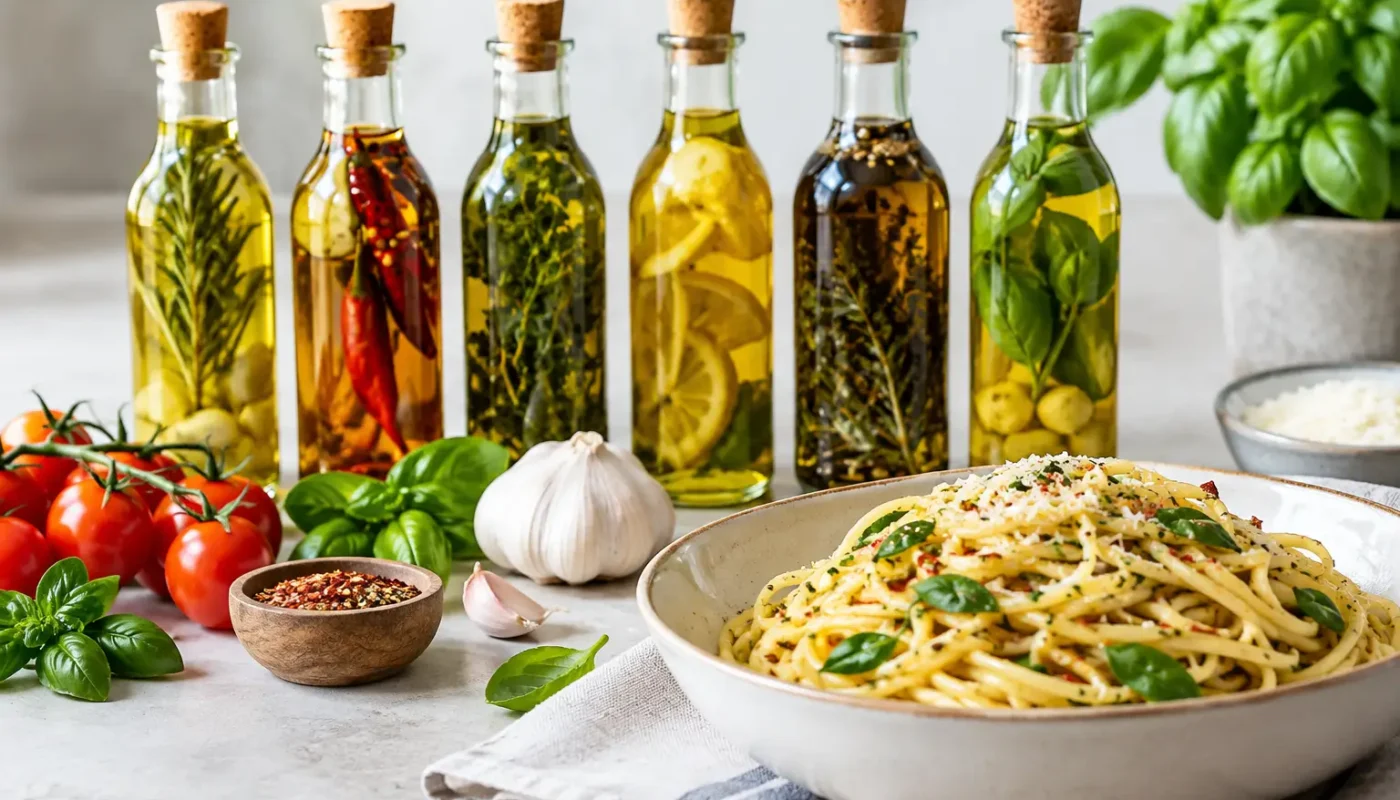
A good pasta dinner does not always need a long-simmered sauce. Sometimes the difference between an ordinary bowl and one that tastes thoughtfully finished is a warm, fragrant pour of oil. The best infused oils for pasta bring concentrated flavor to the table without masking the pasta itself, whether you are tossing bucatini with greens, finishing a creamy mushroom pasta, or serving simple spaghetti with Parmesan.
Infused olive oil is especially useful for home cooks because it gives you control. You can build a full meal around one flavor, then adjust with pasta water, cheese, fresh herbs, citrus, or a splash of balsamic vinegar. Start with a fresh, quality extra virgin olive oil base, and the flavors become clear, lively, and worthy of the plate.
How to Choose the Best Infused Oils for Pasta
The right oil depends on the pasta, the other ingredients, and how much heat the dish can handle. Delicate flavors such as lemon and basil shine with seafood, spring vegetables, and fresh cheeses. Garlic and herb oils offer more familiar savory depth, while chile oils create a welcome spark in tomato sauces, sausage pastas, and rich cheese dishes.
Think of infused oil as both an ingredient and a finishing touch. Adding it early lets the flavor settle into aromatics and sauces. Drizzling it over hot pasta just before serving preserves its aroma and gives the dish a polished, restaurant-style finish. Often, the best approach is a little of each.
A note on balance: intensely flavored oils should support the dish, not take over. If you are using salty Pecorino, cured meat, anchovy, or an assertive balsamic, begin with a modest pour. You can always add more at the table.
The 10 Best Infused Oils for Pasta
1. Garlic Infused Olive Oil
Garlic oil is the dependable favorite for a reason. It provides the mellow, savory character of sautéed garlic without requiring you to peel a clove. Toss it with spaghetti, pasta water, parsley, red pepper flakes, and grated Parmesan for a quick aglio e olio-inspired supper. It is also excellent with roasted broccoli, shrimp, white beans, mushrooms, and tomato-based sauces.
Use it when you want garlic flavor to feel round and integrated rather than sharp. For a brighter finish, add lemon zest or a few drops of traditional dark balsamic after plating.
2. Lemon Infused Olive Oil
Lemon infused olive oil brings lift to rich pasta and makes simple ingredients taste more awake. It is particularly lovely with linguine and shrimp, asparagus, peas, spinach, artichokes, or ricotta. A spoonful of pasta water and a shower of Parmesan help it cling to every strand.
This is one of the best oils for creamy pastas that risk feeling heavy. Stir a small amount into a finished Alfredo-style sauce, or drizzle it over ravioli filled with cheese or seafood. The flavor should read as fresh citrus, not dessert-like sweetness.
3. Basil Infused Olive Oil
When fresh basil is out of season or looks tired at the market, basil oil gives pasta a distinctly summer-minded finish. Use it with ripe tomatoes, mozzarella, burrata, zucchini, eggplant, or grilled chicken. It turns a basic bowl of penne with marinara into something more fragrant and layered.
Basil oil is best added near the end of cooking. High heat can mute its leafy aroma, so let the warmth of the pasta carry the flavor instead. A drizzle over tomato gnocchi with fresh cracked pepper is an easy way to make a weeknight meal feel special.
4. Chili or Harissa Infused Olive Oil
For people who always reach for crushed red pepper, chile-infused oil belongs within arm’s reach. It delivers heat with a smooth olive oil finish, making it especially good in arrabbiata, spicy sausage rigatoni, pasta with broccoli rabe, or garlicky shrimp dishes.
Harissa-style oil adds more than heat. Its peppery, gently smoky profile can complement chickpeas, roasted cauliflower, lamb, and tomato sauces. Taste first, since heat levels vary. A mild oil can be used generously; a fiery one may need only a teaspoon per serving.
5. Wild Mushroom and Sage Infused Olive Oil
Earthy mushroom and sage oil is made for fall and winter pasta. It brings a woodland depth to pappardelle with sautéed mushrooms, brown butter-inspired sauces, roasted squash, and creamy polenta-style dishes. It also works beautifully with truffle-adjacent flavors, though it tends to feel less overpowering than many truffle products.
Pair it with nutty cheeses such as Parmesan, Gruyere, or aged Asiago. If the dish includes cream, use this oil as a finish rather than the sole cooking fat, so its savory aroma stays present.
6. Rosemary Infused Olive Oil
Rosemary has a piney, savory personality that stands up to hearty pasta shapes and roasted ingredients. Try rosemary oil with orecchiette, white beans, fennel sausage, roasted potatoes, or caramelized onions. It is also a natural fit for pasta bakes with mozzarella and tomato.
Because rosemary is assertive, it is not usually the first choice for delicate seafood or very light cream sauces. It thrives alongside bold, rustic ingredients. A small drizzle over a baked pasta just out of the oven adds fragrance before the first forkful.
7. Tuscan Herb Infused Olive Oil
A Tuscan herb blend, often built around basil, oregano, rosemary, and garlic, is the easy answer when you want an Italian-style flavor profile without measuring several seasonings. It suits lasagna, baked ziti, pasta primavera, and simple pasta salads. It can also become the foundation for a quick vinaigrette for chilled tortellini with vegetables.
This is a versatile pantry choice for cooks who want one oil that works across many meals. Use it in a tomato sauce, then reserve a little for the final toss. That layered use gives the herbs more presence without making the sauce taste dried out.
8. Blood Orange Infused Olive Oil
Blood orange oil may sound unexpected for pasta, but its sweet-tart citrus character is excellent with ingredients that have natural sweetness or salinity. Think roasted beets, fennel, toasted walnuts, goat cheese, shrimp, or a pinch of chile. It is especially appealing in a pasta salad served at a lunch or warm-weather gathering.
Keep the rest of the dish simple. Blood orange oil does not need much competition. A little shallot, arugula, cheese, and a bright white balsamic can create a memorable pasta course with very little effort.
9. Persian Lime Infused Olive Oil
Persian lime oil is zesty, aromatic, and slightly more tropical in character than lemon. It brings welcome energy to pasta with cilantro, avocado, corn, black beans, grilled chicken, or shrimp. It can also give a bright twist to a creamy pasta with roasted poblano peppers.
This oil is a fine choice when lemon feels predictable. Use it sparingly with traditional red sauce, where its distinctive character can get lost, and save it for vegetable-forward or Southwestern-inspired pasta dishes where it has room to shine.
10. Black Truffle Infused Olive Oil
Black truffle oil is a finishing oil, not an everyday sautéing oil. A few drops can turn mushroom risotto-style orzo, tagliatelle with cream sauce, or Parmesan pasta into an occasion. Its aroma is unmistakable, so restraint matters.
Use it with plain pasta, mushrooms, eggs, potatoes, and aged cheese. Avoid pairing it with strongly flavored seafood, citrus-heavy sauces, or too many herbs. Truffle is at its best when the dish leaves room for its earthy perfume.
A Better Way to Toss Pasta With Infused Oil
Reserve more pasta water than you think you need. The starchy water helps infused oil emulsify with cheese, sauce, and the pasta’s surface, rather than pooling at the bottom of the bowl. For two servings, begin with about two tablespoons of oil and add pasta water a splash at a time while tossing over low heat.
If you are making a nearly sauce-free pasta, finish with a second teaspoon of oil after the heat is off. This final layer is where lemon, basil, garlic, and truffle oils show their finest aromas. Season only after tasting, since cheese and cured ingredients can bring plenty of salt.
For entertaining, set out one or two complementary oils at the table rather than offering every flavor at once. Garlic and chile make a crowd-pleasing pair for red sauces. Lemon and basil suit seafood or vegetable pasta. Mushroom and truffle belong beside a creamy, earthy dish.
Keep Flavor Fresh
Premium infused oils deserve the same care as extra virgin olive oil. Store them tightly capped in a cool, dark cabinet, away from the stove and direct sunlight. Heat, light, and oxygen gradually dull both the olive oil and its infused flavor.
Freshness changes the experience. A lively oil has aroma the moment you open the bottle, and that aroma is exactly what makes a simple plate of pasta feel intentional. At Weyira Olive Oil & Vinegar, tasting different oils side by side is a useful reminder that garlic can be mellow, citrus can be elegant, and heat can be flavorful rather than merely hot.
Choose one oil that fits the meals you already cook, then let it earn a place in your rotation. The next time pasta night needs a little more character, a measured pour may be all it takes.
