
Ultra Premium Olive Oil
How to Use Olive Oil Soap for Softer Skin
Sep
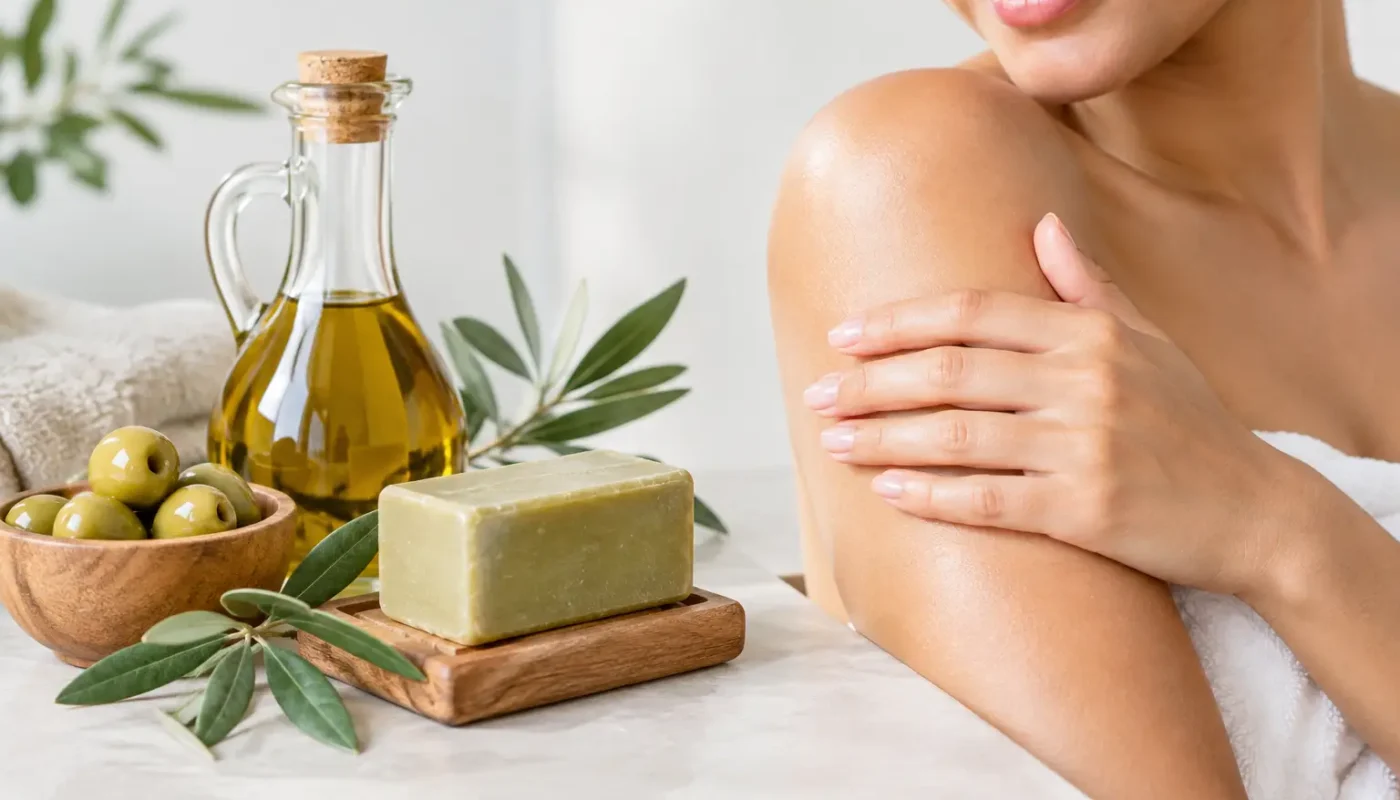
A bar of olive oil soap can make an ordinary sink-side routine feel a little more considered: creamy lather, a clean rinse, and the subtle comfort of a simple ingredient. But the best way to use olive oil soap depends on where you use it, how your skin behaves, and what is actually in the bar. A beautifully made olive oil soap can be a satisfying choice for hands, body, and sometimes face, especially for people who prefer a less fragranced, more traditional approach to cleansing.
Olive oil has a long history in soapmaking because it creates a mild, silky bar with a smooth, low-bubble lather. That does not mean every olive oil soap works exactly the same way, though. The proportion of olive oil, the addition of coconut or other plant oils, fragrance, colorants, and curing time all shape how the soap feels on skin. Choosing thoughtfully and using it with a few small adjustments can make all the difference.
How to Use Olive Oil Soap on Face and Body
Start with lukewarm water, not hot. Hot water can strip the skin’s surface oils and leave even a gentle bar feeling more drying than it should. Wet the bar and work it between clean hands or onto a soft washcloth until you have a light lather. You do not need a dense mound of foam for an effective cleanse.
For the body, massage the lather over damp skin, paying attention to areas that collect sweat, sunscreen, or cooking-day grime. Rinse thoroughly, then pat your skin dry rather than rubbing it with a towel. Apply a body lotion, cream, or body oil while skin is still slightly damp if you tend toward dryness. Soap cleanses first; the moisturizer that follows is what helps seal in that just-showered comfort.
For hands, olive oil soap is especially pleasant at a kitchen or bathroom sink. Use it after food prep, gardening, or repeated handwashing, then follow with hand cream when needed. A well-made bar offers a welcome alternative to strongly perfumed liquid soaps, particularly during cold, dry months when hands need a little extra kindness.
Using olive oil soap on your face
Facial skin is more particular than the skin on your arms or legs. If your complexion is normal, dry, or easily irritated by heavily fragranced cleansers, an unscented olive oil soap may be worth trying. Lather it in your hands first, lightly massage the foam over damp skin for a few seconds, and rinse completely. Keep it away from the eye area.
If you have acne-prone, very oily, rosacea-prone, or eczema-prone skin, the answer is more personal. Some people enjoy a simple bar cleanser; others find that any true soap feels too alkaline or leaves their skin tight. Tightness, stinging, flaking, or a rebound of oil later in the day are signs to use the bar less often or reserve it for hands and body. A patch test along the jawline or behind the ear for a few days is a sensible first step, especially with scented varieties.
Olive oil soap should not be treated like a face mask or left sitting on the skin. Cleanse gently, rinse promptly, and let the quality of the bar do the work.
What Makes an Olive Oil Soap Feel Different
Traditional olive oil soap is valued for its mild character and creamy feel. Olive oil contributes oleic acid, a fatty acid that is often associated with a softer, more conditioning sensation in soap. Still, a bar’s performance is a recipe, not a single ingredient story.
A soap made with a high percentage of olive oil may feel gentle and long-lasting, but it can produce a quieter lather than a bar formulated with coconut oil. Coconut oil increases bubbles and cleansing power, which many people love after a workout or long day outdoors, but a high amount may feel drying for some skin types. Shea butter, cocoa butter, or other oils can also change the bar’s richness and glide.
Fragrance matters, too. Lavender, citrus, rosemary, and other aromatic notes can turn washing up into a small sensory pleasure. Yet sensitive skin often prefers the shortest, simplest ingredient list available. If your goal is everyday comfort rather than fragrance, choose an unscented bar and save scented soaps for hands or an occasional bath.
Make the Bar Last Longer
A premium soap bar deserves better than a puddle at the edge of the sink. Olive oil soap is often softer than highly processed commercial bars, so proper storage protects both its texture and value.
Use a draining soap dish with ridges or slots so water can run away from the bar. Keep it out of the direct stream of the shower, and let it dry between uses. If you enjoy a washcloth or loofah, rinse and hang that item to dry as well. A bar that dries fully will stay firmer, last longer, and provide a more consistent lather.
For travel, let the soap air-dry before placing it in a soap tin or container. At home, it can be useful to rotate between two bars: one at the sink and one in the shower. That simple habit gives each bar time to dry and lets you enjoy different scents or formulas without waste.
Pair Your Soap With a Skin-Friendly Routine
The pleasure of olive oil soap is in its simplicity, but simple does not have to mean one-size-fits-all. After cleansing, choose the next step based on how your skin feels rather than following an elaborate routine out of habit.
If your skin feels comfortable and supple, you may need nothing more. If it feels dry, use a fragrance-free lotion or a few drops of body oil on damp skin. For hands that are frequently washed, keep a richer cream near the sink. In the kitchen, this makes a lovely ritual after handling garlic, citrus, herbs, or dishwater: cleanse, rinse, dry, and restore a little softness.
Avoid using a scrub, strong exfoliating acid, or retinoid immediately after washing with a new bar if you are still learning how your skin responds. Introduce one change at a time. That approach is less glamorous than trying every promising product at once, but it gives you a clearer answer about what your skin genuinely enjoys.
Choosing a Bar Worth Bringing Home
Look first for a clear ingredient list and a soapmaker who describes the formula honestly. “Olive oil soap” can mean a traditional olive-oil-forward bar, or it can describe a multi-oil soap that includes a smaller amount of olive oil. Neither is automatically better. The right choice depends on whether you want abundant bubbles, a firmer bar, an unscented formula, or the gentle, creamy feel associated with olive-oil-rich soap.
For gift giving, olive oil soap has an easy elegance. Pair a beautifully wrapped bar with a hand towel, a small dish, or a selection of gourmet pantry favorites for a gift that feels useful and special. At Weyira Olive Oil & Vinegar, that connection between a well-stocked kitchen and a thoughtful home ritual is part of the appeal: good olive oil belongs at the table, and its soapmaking heritage brings that same appreciation for quality to the sink and bath.
One final practical note: a bar that smells fresh, feels firm, and is stored dry invites you to use it well. Let your skin be the guide. When cleansing leaves it clean, calm, and comfortable rather than tight, you have found a small daily ritual worth keeping.
