
Ultra Premium Olive Oil
Olive Oil Cake That Tastes Like a Bakery Treat
Aug
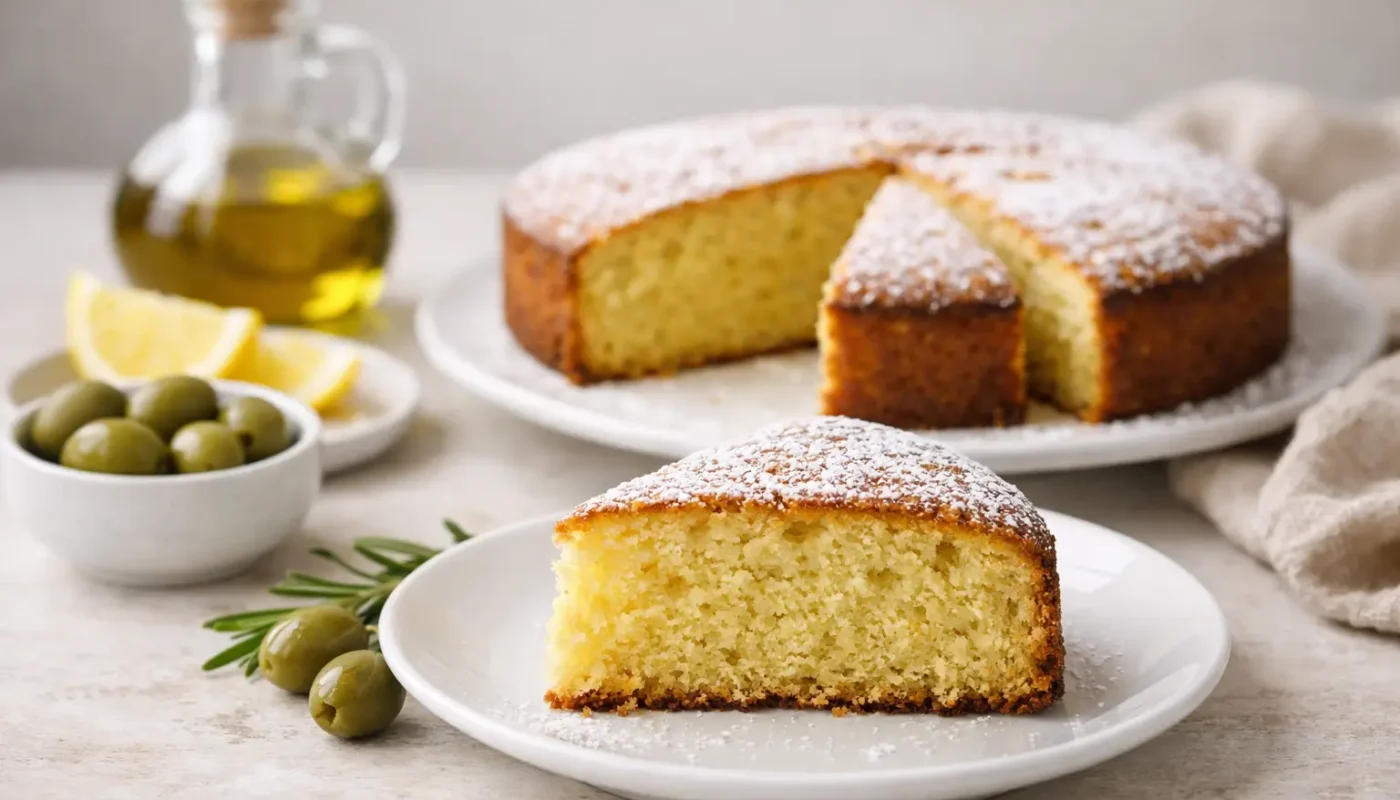
A great olive oil cake announces itself before the first bite: a sunny citrus fragrance, a tender golden crumb, and the quiet richness that only fresh extra virgin olive oil brings. It is the kind of cake that feels special enough for guests but relaxed enough to slice with afternoon coffee. Best of all, it gives a beautiful olive oil the chance to be tasted, not hidden.
Unlike cakes built around butter, olive oil cake stays remarkably moist for days. The oil creates a plush, almost silky texture, while its natural fruitiness can add notes of green almond, ripe apple, pepper, or fresh herbs. The result is not an oily cake. When the proportions and oil are right, it is a cake with more flavor, a lighter-feeling finish, and a memorable aroma.
Why Olive Oil Makes Cake Better
Olive oil is liquid at room temperature, so it coats flour efficiently and helps prevent a dry, tight crumb. That is why olive oil cake is especially dependable for home bakers. It travels well, holds up beautifully on a dessert table, and often tastes even more rounded the day after baking.
Flavor is the other reason to choose it. Butter brings dairy richness; extra virgin olive oil brings character. A delicate, buttery EVOO makes a subtle cake with a soft fruit finish. A medium-intensity oil can stand up to lemon, orange, rosemary, vanilla, or almond. A bold, peppery oil can be wonderful with dark chocolate, but it deserves a lighter hand if you want the cake to appeal to every palate.
Freshness matters here. Olive oil that has been sitting too long may taste flat, waxy, or stale, and baking will not improve it. Choose a fresh extra virgin olive oil you would happily taste from a spoon. Weyira Olive Oil & Vinegar’s tasting-gallery approach is useful in this recipe: taste the oil first, then build the cake around the flavors you notice.
A Simple Citrus Olive Oil Cake
This recipe makes one 9-inch round cake or one standard loaf. It is intentionally flexible, but do not skip the citrus zest. It brightens the olive oil and makes the whole kitchen smell like a neighborhood bakery.
Ingredients
- 1 1/2 cups all-purpose flour
- 1 1/2 teaspoons baking powder
- 1/2 teaspoon fine sea salt
- 3 large eggs, at room temperature
- 1 cup granulated sugar
- 3/4 cup fresh extra virgin olive oil
- 1/2 cup whole milk or plain Greek yogurt
- Finely grated zest of 1 lemon or 1 orange
- 2 tablespoons fresh lemon or orange juice
- 1 teaspoon vanilla extract
- Powdered sugar, berries, or lightly sweetened whipped cream, for serving
Make the Batter
Heat the oven to 350 F. Grease a 9-inch round cake pan, then line the bottom with parchment paper. If using a loaf pan, line it with parchment that extends over the long sides so the finished cake lifts out easily.
Whisk the flour, baking powder, and salt together in a bowl. In a separate large bowl, whisk the eggs and sugar vigorously for about one minute, until the mixture looks slightly paler and smoother. You do not need a mixer, although one is perfectly fine to use.
Slowly whisk in the olive oil. Adding it in a steady stream helps create a smooth, emulsified batter, much like building a vinaigrette. Whisk in the milk or yogurt, citrus zest, juice, and vanilla. Fold in the dry ingredients just until no visible flour remains. A few small lumps are preferable to overmixing.
Pour the batter into the prepared pan and bake until the top is golden and a toothpick inserted in the center comes out clean or with a few moist crumbs. A round cake usually needs 35 to 42 minutes; a loaf may take 45 to 55 minutes. Let it cool in the pan for 15 minutes before turning it out onto a rack.
For a more polished finish, brush the warm cake with a little citrus syrup made from equal parts juice and sugar warmed just until the sugar dissolves. It is optional, but it adds shine, fragrance, and extra staying power.
Choosing the Best Olive Oil for Olive Oil Cake
The best choice depends on the flavor direction you want. There is no single bottle that works for every version of this cake.
For a classic lemon or orange cake, reach for a mild to medium extra virgin olive oil with a clean, buttery or ripe-fruit profile. It supports the citrus without turning the cake savory. Oils with gentle apple, banana, or almond notes are particularly lovely here.
For an orange, almond, or pistachio variation, a medium-fruity EVOO gives the cake more depth. Add a handful of finely chopped toasted nuts or replace a few tablespoons of flour with almond flour. The olive oil’s fruitiness becomes part of the dessert rather than merely a substitute for butter.
For chocolate olive oil cake, choose an oil with enough presence to remain noticeable beside cocoa. Peppery oils can be excellent with bittersweet chocolate, espresso, or flaky sea salt. That said, if the oil has a strong grassy bitterness, use a milder one for your first attempt. Chocolate magnifies some flavors and softens others, so this pairing is more personal than universal.
Infused citrus olive oils can be tempting, and they can work beautifully. Use them as an accent rather than the entire amount at first. For example, replace one-quarter to one-third of the plain EVOO with a lemon fused olive oil, then taste the result. This approach keeps the flavor bright without pushing the cake toward artificial-tasting intensity.
Small Details That Make a Big Difference
Room-temperature eggs help the batter emulsify, which means a more even, tender cake. If you forget to set them out, place the eggs in a bowl of warm water for five to 10 minutes. Freshly grated zest is equally worthwhile. The fragrant oils in the peel are what give citrus olive oil cake its lift.
Use a light hand once the flour goes in. Overmixed batter develops more gluten, which can make the cake chewy instead of soft. Also, resist the urge to pull the cake from the oven at the first sign of browning. Olive oil cakes benefit from a fully baked center, especially when made with yogurt or a generous amount of juice.
If your cake sinks slightly in the middle, the most common causes are underbaking, an oven running cool, or opening the door too early. A shallow dip is not a disaster. Cover it with berries, powdered sugar, or a spoonful of mascarpone and call it rustic.
Serve It Simply, or Dress It Up
Olive oil cake is at its best when the toppings respect its flavor. A dusting of powdered sugar and a few raspberries are enough for an easy weeknight dessert. For brunch, serve slices with macerated strawberries and softly whipped cream. For an after-dinner plate, add poached pears, roasted grapes, or a scoop of vanilla gelato.
A small finishing drizzle of the same EVOO used in the batter can be unexpectedly elegant, especially with a pinch of flaky sea salt. Use restraint: a few drops should perfume the slice, not soak it. A dark berry balsamic reduction can also be delicious alongside a lemon or orange version, but keep it on the plate rather than pouring it over the whole cake.
This cake is also a thoughtful homemade gift. Wrap a cooled loaf in parchment and tie it with twine, then include a note about the olive oil and citrus you used. The details turn a familiar baked good into something that feels distinctly personal.
Keeping Olive Oil Cake Fresh
Store the cake covered at room temperature for up to three days. Because olive oil helps retain moisture, it generally stays tender longer than many butter cakes. If your kitchen is especially warm or you have topped it with cream, refrigerate it, then let slices sit at room temperature for 20 minutes before serving so the crumb softens again.
Olive oil cake also freezes well. Wrap individual slices tightly, freeze them for up to two months, and thaw at room temperature. A brief warm-up in a low oven brings back the just-baked aroma.
The next time you have a bottle of fresh EVOO that tastes too good to reserve only for salads, bake with it. A simple olive oil cake is one of the most delicious ways to let quality ingredients speak clearly.
