
Ultra Premium Olive Oil
Why Olive Oil Polyphenols Make Fresh Oil Better
Aug
A fresh extra virgin olive oil that makes the back of your throat tingle is doing more than adding personality to a plate. That lively peppery finish, along with a gentle bitterness, often signals the presence of olive oil polyphenols – naturally occurring plant compounds that contribute to both flavor and antioxidant activity.
For cooks who have only known mild, flat grocery-store oil, a high-quality EVOO can be a small revelation. It smells green and inviting, tastes purposeful rather than greasy, and brings a bright finish to everything from grilled vegetables to a simple piece of crusty bread. Polyphenols are part of the reason.
What Are Olive Oil Polyphenols?
Polyphenols are a family of naturally occurring compounds found in plants. In extra virgin olive oil, they come from the olive itself and are shaped by the fruit variety, growing conditions, harvest timing, and the care taken during milling and storage.
You may see names such as oleocanthal, oleacein, hydroxytyrosol, and tyrosol on educational materials or laboratory reports. You do not need to memorize them to shop well. What matters at the table is that these compounds help create the vivid sensory character associated with freshly made, well-handled EVOO: bitterness on the tongue, pepperiness in the throat, and an aromatic, green-fruit profile.
That peppery sensation is especially associated with oleocanthal. It can prompt a cough or two when tasting a particularly fresh, high-polyphenol oil. This is not a defect. In context, it is often a welcome sign that the oil has real freshness and character.
Why Polyphenols Matter in the Kitchen
Polyphenols have earned attention for their antioxidant properties and their role in the Mediterranean dietary pattern. Extra virgin olive oil is also valued for its monounsaturated fats, so its appeal is not about one compound alone. It is the combination of quality fats, naturally occurring minor compounds, and an enjoyable flavor that makes EVOO such a useful pantry staple.
From a practical cooking perspective, polyphenols matter because they make oil taste alive. A peppery early-harvest oil can cut through the richness of creamy soups, roasted meats, eggs, beans, and fresh cheeses. Its bitterness can balance sweet roasted squash, ripe tomatoes, carrots, or balsamic reductions. A finishing drizzle becomes an ingredient, not an afterthought.
There is a preservation benefit, too. Polyphenols help protect olive oil from oxidation, though they are not a force field. Heat, light, oxygen, and time will still gradually diminish an oil’s freshness. A high-polyphenol oil that is poorly stored can lose its advantages, while a carefully stored oil stays expressive longer.
Health research around olive oil is promising, but the best approach is sensible rather than medicinal. Enjoy quality extra virgin olive oil regularly as part of an overall balanced way of eating. It should not be treated as a cure-all, and anyone managing a health condition should rely on guidance from a qualified healthcare professional.
More Polyphenols Usually Means More Flavor
The idea of “more” can be misleading. A higher polyphenol count does not automatically mean an oil is better for every palate or every recipe. It generally means the oil may be more assertive, with noticeable bitterness and pepperiness. That is wonderful when you want a bold finish, but it may overwhelm a delicate white fish or a tender spring salad.
A mild EVOO can still be fresh, beautifully made, and a pleasure to use. It may offer softer notes of butter, almond, ripe apple, or delicate herbs, making it an excellent choice for baking, mayonnaise, seafood, or dishes where you want the other ingredients to lead.
Think of olive oil as you would wine, coffee, or chocolate. Intensity is a style, not a universal score. A thoughtful pantry often includes both a robust oil for finishing and hearty foods, plus a milder oil for subtle dishes and everyday versatility.
What Influences Polyphenol Levels?
Several factors influence the amount of polyphenols in an olive oil. Olives harvested earlier, while still green, often produce oils with stronger bitterness and pungency. The trade-off is that early harvesting usually yields less oil from the fruit, which helps explain why exceptional fresh EVOO can command a premium price.
Olive variety matters as well. Some cultivars naturally create bolder, more peppery oils, while others tend toward softer fruitiness. Weather, irrigation, olive maturity, milling practices, and the time between harvest and pressing all affect the final result. Even oils from the same producer can taste different from one harvest season to the next.
This seasonal variation is part of the pleasure. Fresh oil is an agricultural product, not a uniform factory formula.
How to Shop for High-Quality EVOO
If olive oil polyphenols are on your radar, freshness should be your first priority. Look for a harvest date when one is available. A harvest date tells you far more than a vague “best by” date because it gives you a starting point for judging the oil’s age.
Choose oil in dark glass or a protective tin rather than clear packaging, and buy from a source that treats olive oil as a fresh food. Careful sourcing, clear product information, and a retailer who can describe flavor intensity are meaningful advantages over choosing solely by a familiar label or a low price.
Taste descriptors can help you select the right bottle. Terms such as robust, peppery, grassy, herbaceous, bitter, green banana, tomato leaf, or artichoke usually point toward a more assertive style. Descriptions such as buttery, ripe fruit, floral, sweet, or delicate suggest a gentler profile.
If a producer provides a polyphenol measurement, view it as useful context, not the only buying criterion. Testing methods and reporting formats vary, and the number naturally declines as oil ages. A bottle’s harvest date, storage history, aroma, and flavor still tell an essential part of the story.
Store It Like the Fresh Ingredient It Is
The kitchen windowsill may be convenient, but it is hard on olive oil. Keep your bottle tightly capped in a cool, dark cabinet away from the stove, dishwasher, and direct sunlight. Heat and light speed up the changes that dull aroma and flavor.
Buy a size you can use while it is still tasting its best. For an avid home cook, a larger tin can be a smart value, especially if you refill a smaller countertop bottle as needed. For an occasional user, a smaller bottle may be the better choice. Opening a huge container repeatedly for months is rarely ideal.
There is no need to refrigerate olive oil under ordinary home conditions. Chilling can make it cloudy or partially solid, which is harmless but inconvenient. A consistently cool pantry is usually the simplest answer.
Bring Polyphenol-Rich Oil to the Table
A robust EVOO earns its place in the final moments of cooking. Spoon it over lentil soup with a splash of dark balsamic vinegar, finish a plate of grilled chicken and charred lemon, or drizzle it over hummus with flaky salt and smoked paprika. Pair it with aged Parmesan, white beans, bitter greens, or roasted broccoli, where its peppery edge has something substantial to meet.
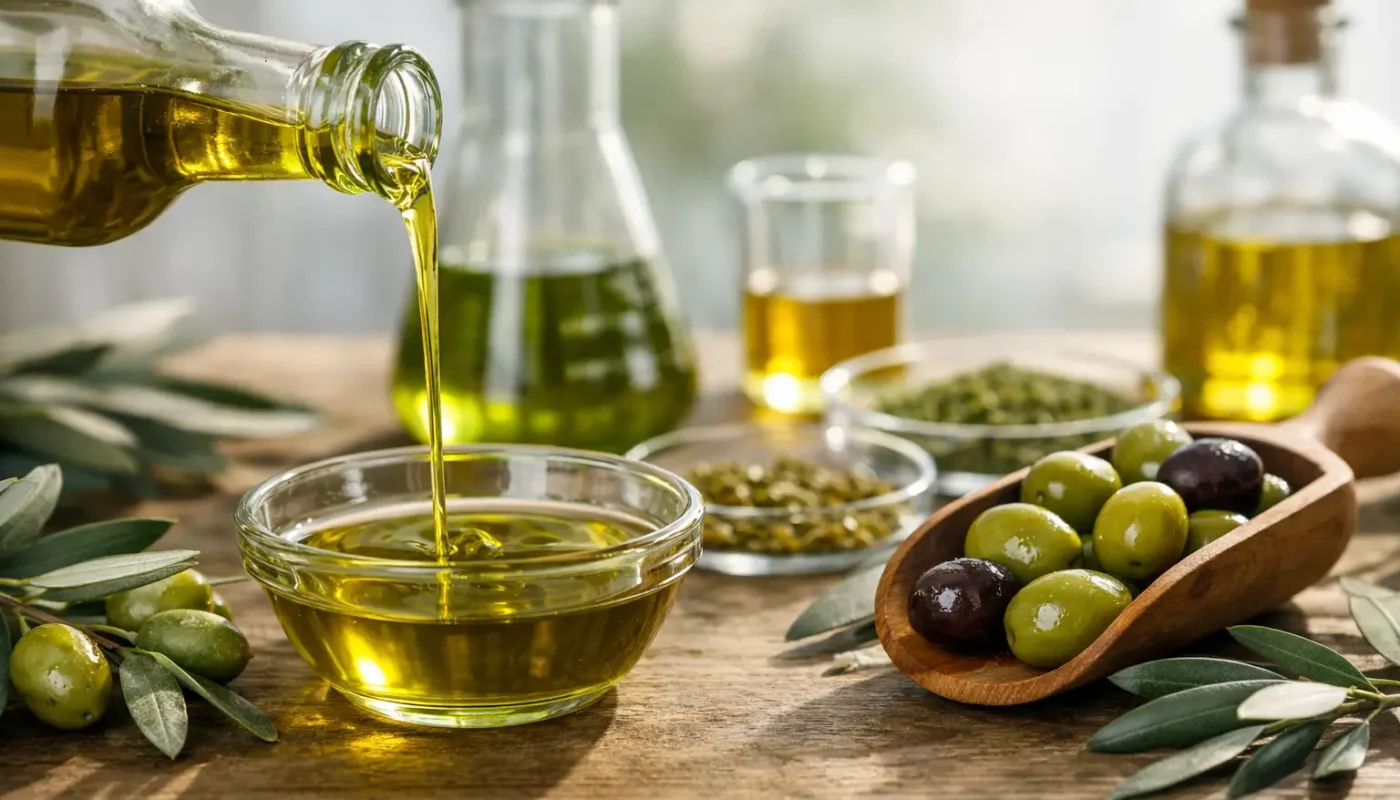
For an easy tasting, pour a little oil into a small glass or cup, warm it gently in your hand, and smell before sipping. Notice fruitiness first, then bitterness, then the peppery finish. Taste it alongside bread if you like, but try it on its own once as well. Bread can hide some of the oil’s nuance.
At Weyira Olive Oil & Vinegar, we believe the most memorable bottle is not necessarily the boldest one. It is the one that makes you want to cook again tomorrow. Choose fresh oil with the flavor profile you enjoy, store it with care, and let each bright, peppery drizzle bring a little more pleasure to the table.
