
Ultra Premium Olive Oil
Flavored Olive Oil Pairings That Taste Effortless
Jul
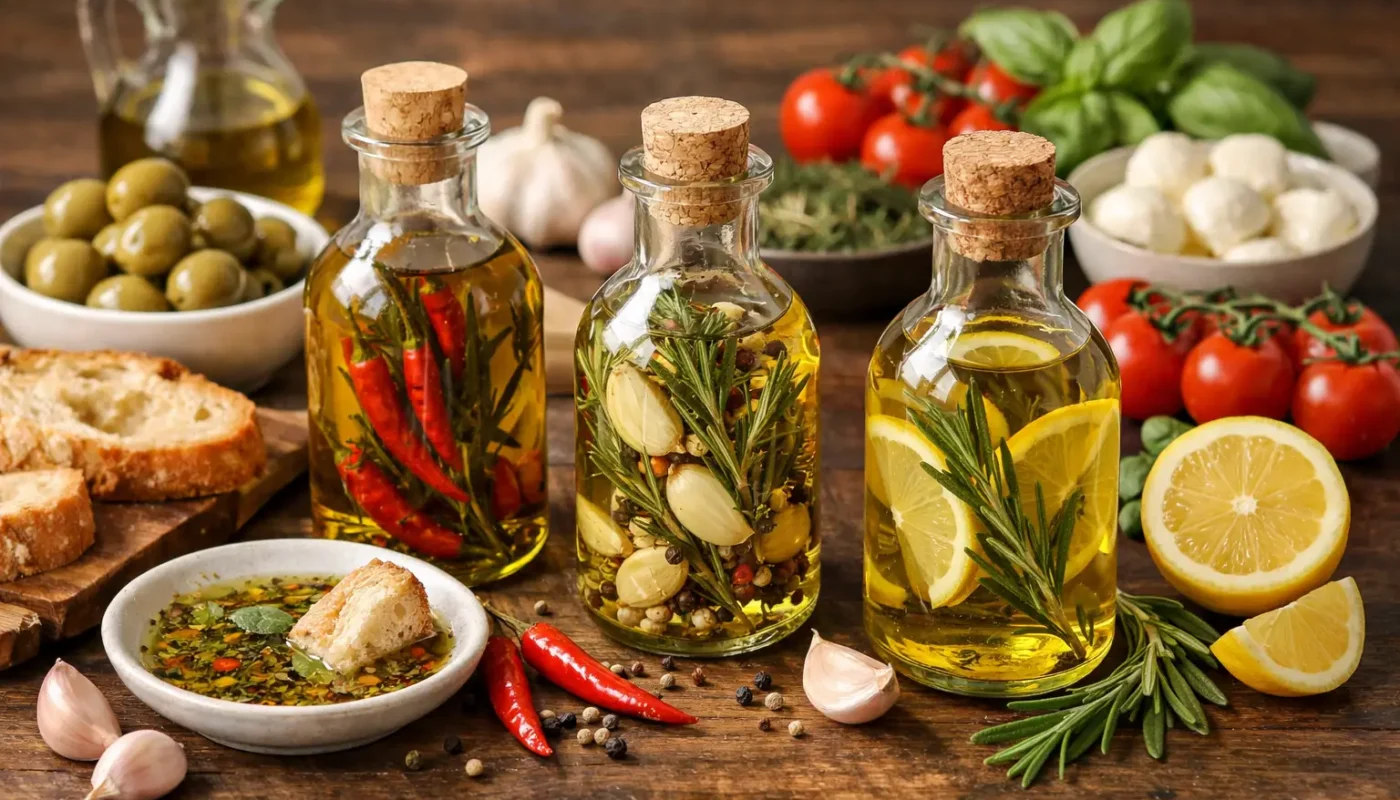
A spoonful of bright lemon olive oil can make a plain piece of grilled fish taste restaurant-worthy. A drizzle of garlic oil can turn warm bread into the first thing guests reach for. That is the pleasure of flavored olive oil pairings: a quality extra virgin olive oil brings body, freshness, and a graceful finish, while carefully chosen flavor gives you a head start on a memorable dish.
The best pairing is not simply about matching a named flavor to a protein. It is about balance. Consider what the oil contributes – citrus lift, herbaceous green notes, savory garlic, gentle heat, or sweet fruit – then give it food with enough character to meet it. Start with the freshest oil possible, taste before cooking, and use a finishing drizzle whenever you want the flavor to remain vivid.
Start With the Flavor Profile, Not the Recipe
Flavored olive oils generally fall into a few useful families. Citrus oils are lively and clean. Herb oils are green and aromatic. Garlic and shallot oils bring savory depth. Chile oils add warmth. Fruit-forward oils, such as blood orange or fig, can move beautifully between savory cooking and baking.
Some oils are fused, meaning olives and fresh whole fruits, herbs, or peppers are crushed together. Others are infused after pressing. Both can be delicious, but the character may differ. A fused citrus oil often tastes especially integrated and fragrant, while an infused oil may offer a more distinct top note. The deciding factor is freshness, clarity of flavor, and whether the oil complements the dish rather than covering it.
When in doubt, taste the oil with a small piece of bread, a pinch of salt, or a plain lettuce leaf. That quick tasting tells you more than a label can. If the oil has a delicate aroma, reserve it for finishing. If it has a bolder garlic or chile profile, it can stand up to roasting, grilling, and marinades.
Citrus Flavored Olive Oil Pairings for Bright Cooking
Lemon olive oil belongs near seafood, spring vegetables, and anything that benefits from a clean, sunny finish. Brush it over shrimp before grilling, whisk it into a dressing for arugula and shaved Parmesan, or spoon it over roasted asparagus with flaky salt. It also gives chicken a lighter character than a heavy cream or butter sauce.
Blood orange olive oil has more sweetness and perfume than lemon. Try it with roasted carrots, beets, fennel, or winter squash. It is especially good in a vinaigrette with a dark balsamic vinegar, where the fruit notes round out sharp greens and salty cheese. For a simple dessert, drizzle it over vanilla ice cream with a little sea salt, or use it in an olive oil cake.
Persian lime olive oil works well when a dish needs acidity without the assertiveness of fresh lime juice. Use it with white fish tacos, corn and black bean salad, avocado, or grilled zucchini. Pair it with a white balsamic vinegar for a dressing that is bright but not harsh. The trade-off with citrus oils is heat: long, aggressive cooking can soften their most appealing aroma, so save a little for the plate.
Herb and Savory Oils Belong at the Table
Basil olive oil is made for ripe tomatoes, fresh mozzarella, strawberries, and grilled chicken. In summer, it can replace several ingredients at once: toss it with sliced tomatoes, a good salt, and a modest splash of balsamic vinegar. In cooler months, stir it into tomato soup or spoon it over a simple pizza just before serving.
Herbes de Provence-style olive oil has a broader, more savory profile. Think roast chicken, potatoes, mushrooms, white beans, lamb, and vegetables caramelized at the edges. It makes an easy weeknight sheet-pan dinner taste more considered. Use it to coat chicken thighs and potatoes before roasting, then finish with a bright vinegar or squeeze of lemon to keep the dish from feeling too rich.
Garlic olive oil is a pantry essential for cooks who want depth without peeling cloves on a busy night. It is excellent with pasta, sautéed greens, roasted cauliflower, mashed potatoes, and crusty bread. For a simple appetizer, warm it gently with a pinch of crushed red pepper, then serve with bread and a dish of aged balsamic vinegar for dipping.
Garlic is powerful, though. It can overwhelm delicate ingredients such as very mild fish or tender baby greens. With those foods, use a light hand, or blend garlic oil with a milder extra virgin olive oil to create a softer result.
Use Chile Oils to Build Heat, Not Hide Flavor
A good chile olive oil should bring a clean, lingering heat rather than a blunt burn. It pairs naturally with pizza, eggs, grilled steak, roasted sweet potatoes, beans, and dark leafy greens. A small drizzle over a bowl of lentils or a plate of ricotta with honey can make the whole dish more interesting.
Try a chile oil with a sweet or tangy counterpoint. Roasted Brussels sprouts benefit from chile oil and a dark berry balsamic. Grilled peaches become striking with a chile oil, a little honey, and fresh mint. For tacos, use chile oil in the marinade, then add a cooler topping such as avocado, crema, or crunchy cabbage.
The key is dosage. Add heat early if you want it absorbed into a marinade or roasting oil, but finish with it if you want a more immediate spark. A premium chile oil has nuance worth preserving, so it should not disappear beneath an overly spicy sauce.
Pair Fruit-Forward Oils Beyond Dessert
Fruit-forward olive oils can surprise people who think olive oil belongs only with savory food. Fig olive oil is beautiful with pork tenderloin, blue cheese, roasted grapes, and farro salads. It has enough sweetness to soften salty, earthy ingredients without making a dish taste sugary.
Blood orange and lemon oils are natural baking partners. Substitute them for part or all of the neutral oil in a simple cake, muffin, or quick bread recipe, especially one with almonds, berries, or poppy seeds. Olive oil keeps baked goods tender, but its flavor will show more clearly in recipes with few competing spices.
For cheese boards, pair fruit-forward oils with creamy goat cheese, ricotta, Brie, or aged sheep’s milk cheese. Add toasted nuts, fresh or dried fruit, and a small bowl of balsamic vinegar. The oil gives the board an unexpected tasting-gallery quality while still being easy for guests to enjoy.
Build a Pairing With Contrast and Connection
The most successful flavored olive oil pairings usually have one point of connection and one point of contrast. Basil oil and tomatoes connect through garden-fresh flavor, while balsamic vinegar adds tang. Lemon oil and salmon connect through brightness, while creamy potatoes offer contrast. Chile oil and honey create contrast, but both make roasted vegetables feel more complete.
You can use this simple approach when improvising:
- Match green herb oils with vegetables, tomatoes, poultry, and fresh cheeses.
- Match citrus oils with seafood, chicken, greens, grains, and fruit.
- Match garlic and shallot oils with pasta, potatoes, beans, mushrooms, and bread.
- Match chile oils with rich foods, sweet vegetables, eggs, pizza, and grilled meats.
- Match fruit-forward oils with pork, cheese, roasted root vegetables, and simple desserts.
A balsamic vinegar often provides the finishing counterweight. White balsamics tend to keep flavors fresh and light, making them useful with citrus and herb oils. Dark balsamics bring deeper sweetness and are especially appealing with garlic, chile, fig, and roasted ingredients. Use restraint at first. The goal is for oil and vinegar to taste like one composed dressing, not two competing flavors.
A Few Small Habits Make the Difference
Flavored olive oil is not a substitute for every cooking fat. For high-heat searing, a more neutral oil may be practical, especially if you need a very hot pan. But flavored olive oil excels in roasting, moderate-heat cooking, dressings, marinades, and finishing, where its aroma can be appreciated.
Store it away from heat, light, and air, with the cap secured. Buy quantities you will use while the oil is at its best, and do not save a special bottle for an undefined future occasion. The flavor is meant to be used.
At Weyira Olive Oil & Vinegar, we encourage tasting with curiosity: choose one flavor that feels familiar and one that stretches your usual routine. A lemon oil beside grilled salmon or a garlic oil over warm vegetables may become a weekly habit. A fig or chile oil might become the bottle that makes guests ask what you did differently.
