
Ultra Premium Olive Oil
Olive Oil vs Seed Oils: Which Should You Use?
Oct
A beautiful bottle of extra virgin olive oil can turn warm bread, ripe tomatoes, or a simple bowl of beans into something worth lingering over. But when the conversation turns to olive oil vs seed oils, the choice is often made to sound far more black-and-white than it really is. The better question is not which category is always good or always bad. It is which oil suits the dish, the cooking temperature, your taste, and the quality you expect from your pantry.
Why olive oil vs seed oils is not a simple matchup
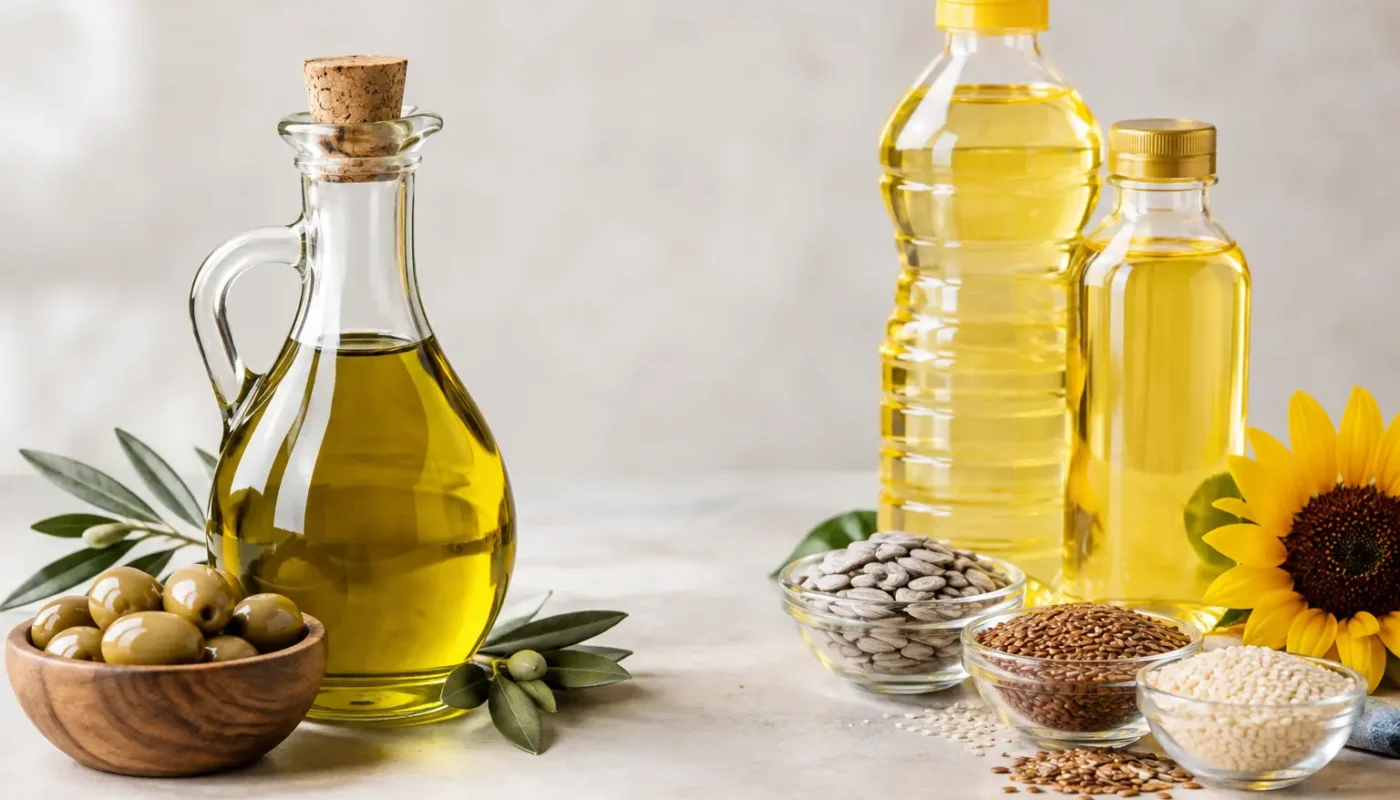
Olive oil comes from the fruit of the olive. Seed oils, as the name suggests, are pressed or extracted from seeds, including sunflower, safflower, grapeseed, sesame, soybean, corn, and canola. These oils differ substantially from one another in flavor, fatty-acid makeup, processing, and performance in the pan.
That is why broad claims about seed oils can miss the point. A neutral refined grapeseed oil is not the same product as fragrant toasted sesame oil, and neither should be judged exactly like a fresh, peppery extra virgin olive oil. Quality also matters within every category. How an oil was processed, how recently it was bottled, and how it has been stored can change both its flavor and its usefulness.
For everyday home cooking, extra virgin olive oil earns its place because it does more than provide fat. A well-made EVOO brings character: grassy and green, buttery and mild, or pleasantly peppery at the finish. It makes cooking feel less like a compromise and more like an ingredient choice.
What extra virgin olive oil brings to the table
Extra virgin olive oil is mechanically extracted rather than chemically refined, and it must meet standards for flavor and quality. Its defining feature is not simply that it is less processed. It is that a fresh oil preserves natural flavor compounds and antioxidant polyphenols that give great EVOO its lively aroma, bitterness, and peppery sensation.
Those sensory notes are not flaws to hide. They are part of the tasting experience. A delicate, buttery olive oil is lovely over grilled fish, fresh mozzarella, or vanilla ice cream with a pinch of sea salt. A more robust oil can stand up to roasted vegetables, lentils, bitter greens, garlic, and a thick steak coming off the grill.
Olive oil is also valued for its fat profile. It is rich in monounsaturated fat, particularly oleic acid, and contains smaller amounts of polyunsaturated and saturated fats. Research on Mediterranean-style eating patterns has associated olive oil, especially extra virgin olive oil, with heart-health benefits when it replaces less favorable fats in an overall balanced diet. No single bottle transforms a diet on its own, but choosing a flavorful oil can make vegetables, beans, whole grains, and seafood more satisfying to eat regularly.
Freshness is central here. Unlike wine, olive oil does not improve with age. Look for a harvest date when available, buy a size you can finish reasonably soon after opening, and keep it away from heat and light. A dark bottle or tin is not merely handsome packaging. It helps protect the oil inside.
When seed oils make sense in cooking
Seed oils have practical strengths, especially when you want a neutral flavor, a particular texture, or a cooking fat that does not compete with the rest of the recipe. Canola, sunflower, and grapeseed oil are common choices for baking, mayonnaise, frying, and recipes where an olive flavor would feel out of place.
Refined seed oils generally have higher smoke points than extra virgin olive oil. That can be useful for very high-heat cooking, such as deep-frying or aggressively searing multiple batches of food. Their neutral profile also lets vanilla, chocolate, citrus, or spice blends take center stage in cakes and quick breads.
There is no need to treat all seed oils as forbidden. Polyunsaturated fats, including omega-6 fats found in many seed oils, are essential nutrients. The concern is usually less about a modest amount of a particular oil and more about a dietary pattern built around heavily processed foods, repeated-use frying oils, and fats that add calories without much satisfaction or flavor.
At the same time, not every seed oil deserves a permanent front-row spot in a flavor-focused kitchen. If you are dressing a salad, finishing a soup, or making a vinaigrette, a fresh extra virgin olive oil offers far more personality. If you need a neutral oil for a high-heat task, use it intentionally and let each bottle do the job it does best.
Olive oil vs seed oils for heat and everyday cooking
The idea that extra virgin olive oil should never touch a hot pan is one of the most persistent kitchen myths. While its smoke point is generally lower than that of many refined oils, quality EVOO is suitable for a wide range of everyday cooking, including sautéing, roasting, pan-frying, and baking.
Heat stability is not determined by smoke point alone. The oil’s antioxidant content and fatty-acid composition matter, too. Extra virgin olive oil’s monounsaturated fats and naturally occurring antioxidants can help it perform well at typical home-cooking temperatures. The goal is simply to avoid heating any oil until it smokes heavily, which can create unpleasant flavors and breakdown products.
For a practical approach, use a mild or medium-intensity extra virgin olive oil for scrambled eggs, sheet-pan vegetables, chicken, and savory baking. Choose a robust EVOO when you want its flavor to remain present, such as for sautéed greens, tomato sauce, or a skillet of garlicky shrimp. Reserve a neutral seed oil when you are frying at very high heat, making a delicately flavored cake, or preparing a dish where olive notes would distract.
A few cooking habits protect every oil in your cabinet. Start with a clean pan, avoid overheating the oil, and do not repeatedly reuse oil that has been used for frying. If an oil smells stale, waxy, crayon-like, or oddly flat, it has likely oxidized and is ready to be replaced.
Flavor is often the deciding factor
Nutrition matters, but flavor is what makes an oil a pleasure to use rather than another obligation on the counter. This is where extra virgin olive oil has a clear advantage. It can be as expressive as a good vinegar, spice blend, or finishing salt.
Try a bright, herbaceous EVOO with lemon for roasted asparagus. Pair a mellow, creamy style with a dark balsamic vinegar for a classic bread dip. Use a peppery oil over pizza, white beans, or butternut squash soup just before serving. These small finishing touches bring freshness and dimension that neutral seed oils simply are not designed to provide.
Seed oils have their own flavorful exceptions. Toasted sesame oil delivers a deep nutty aroma in stir-fries and noodle dishes, while pumpkin seed oil can be striking over squash soup or yogurt. These are specialty accents, much like an infused olive oil, rather than all-purpose replacements for a fresh extra virgin olive oil.
How to choose the right bottle for your kitchen
A smart pantry does not require choosing one side and banishing the other. It starts with choosing fewer oils of better quality and using them with purpose. For many home cooks, that means keeping a fresh extra virgin olive oil for everyday cooking and finishing, plus one neutral high-heat oil for recipes that truly call for it.
When selecting EVOO, consider intensity as well as origin. A mild oil is approachable and versatile, while a robust oil offers bolder green, peppery notes. Taste is the best guide. If possible, sample before buying, then notice how the oil changes a familiar dish. At Weyira Olive Oil & Vinegar, that tasting-gallery approach is part of the pleasure: finding the oil that makes your own cooking taste more like you.
Store olive oil in a cool, dark cabinet, not beside the stove or on a sunny countertop. Keep the cap tightly closed, and use the bottle generously while it is fresh. An excellent oil is meant to be enjoyed, not saved indefinitely for a special occasion.
The most useful oil is the one that makes you want to cook a little more thoughtfully tonight. Pour a fresh extra virgin olive oil over the finished dish, taste before you add anything else, and let that first bright, peppery sip point you toward the next meal.
