Ultra Premium Olive Oil
Olive Packaging Trends That Protect Flavor
Oct
A beautiful bottle can make an olive oil feel special, but olive packaging trends are increasingly about much more than shelf appeal. For a fresh extra virgin olive oil, the container is part of the product experience: it helps defend delicate flavor compounds from light, heat, and oxygen between the mill and your kitchen.
That matters because premium olive oil is not a pantry decoration. It is a fresh fruit juice with a limited window of peak character. A bright, peppery oil meant for finishing grilled vegetables or a buttery, delicate oil for baking deserves packaging that preserves what the producer worked to create. As shoppers become more ingredient-savvy, they are also learning to look past a pretty label and ask a better question: will this package protect the oil inside?
Olive Packaging Trends Start With Freshness
The strongest trend in specialty olive oil packaging is a return to function. Dark glass bottles and opaque tins remain favorites because they limit exposure to light, one of olive oil’s most persistent quality threats. Ultraviolet and bright retail lighting can speed oxidation, flattening fruity aromas and eventually creating stale, waxy notes.
Dark glass has an elegant, familiar presence at the table. It is especially well suited to smaller formats that shoppers can finish relatively quickly after opening. Tins offer even more complete light protection and are often lighter to ship than glass, making them a practical choice for larger everyday formats.
Neither option is automatically superior in every situation. Glass is recyclable in many communities and gives a premium gift-worthy feel, but it is heavy and breakable. Tins are durable, light-blocking, and efficient for transport, although they can dent and do not always suit customers who want to see their bottle on the counter. The best choice depends on how quickly the oil will be used, how far it will travel, and whether the moment calls for everyday convenience or a polished gift presentation.
Clear glass continues to appear in the market, particularly where visual merchandising takes priority. It can be attractive, but for olive oil, clarity should be paired with thoughtful handling: quick inventory turnover, protected displays, and storage away from direct light. For home use, an opaque container is the safer bet.
Better Closures, Less Oxygen
Packaging has to do more than block light. Once a bottle is opened, oxygen becomes the main concern. Modern olive packaging trends therefore give more attention to closure design, tamper evidence, and pour control.
A well-fitting cap helps preserve flavor between uses, while an integrated pour spout can make cooking easier without leaving an oily bottle neck. Tamper-evident bands and inner seals also give shoppers confidence that a premium oil has arrived protected and unopened. These details may seem small, yet they matter when someone is purchasing a high-quality oil for a dinner party, a holiday gift, or a favorite recipe.
For larger formats, bag-in-box packaging is gaining attention. The oil is held in a flexible inner pouch inside a protective outer box. As oil is dispensed, the bag collapses rather than drawing a large amount of air back into the package. This can be a smart solution for households that cook often, especially when buying a volume that would take months to finish from a conventional bottle.
The trade-off is emotional as much as practical. A bag-in-box is not always the object people want to set beside a cheese board, and some shoppers still associate premium food with glass. A good approach is to keep a beautiful smaller bottle for the kitchen counter, then refill it from a properly stored larger format. Clean, dry refilling is essential, since old residue can compromise fresh oil.
Sustainability Is Becoming More Honest
Sustainable packaging is no longer just a green label or a promise of recyclable material. Thoughtful producers and retailers are considering the whole journey: material use, package weight, breakage, shipping distance, recyclability where customers live, and how much product is wasted before it can be enjoyed.
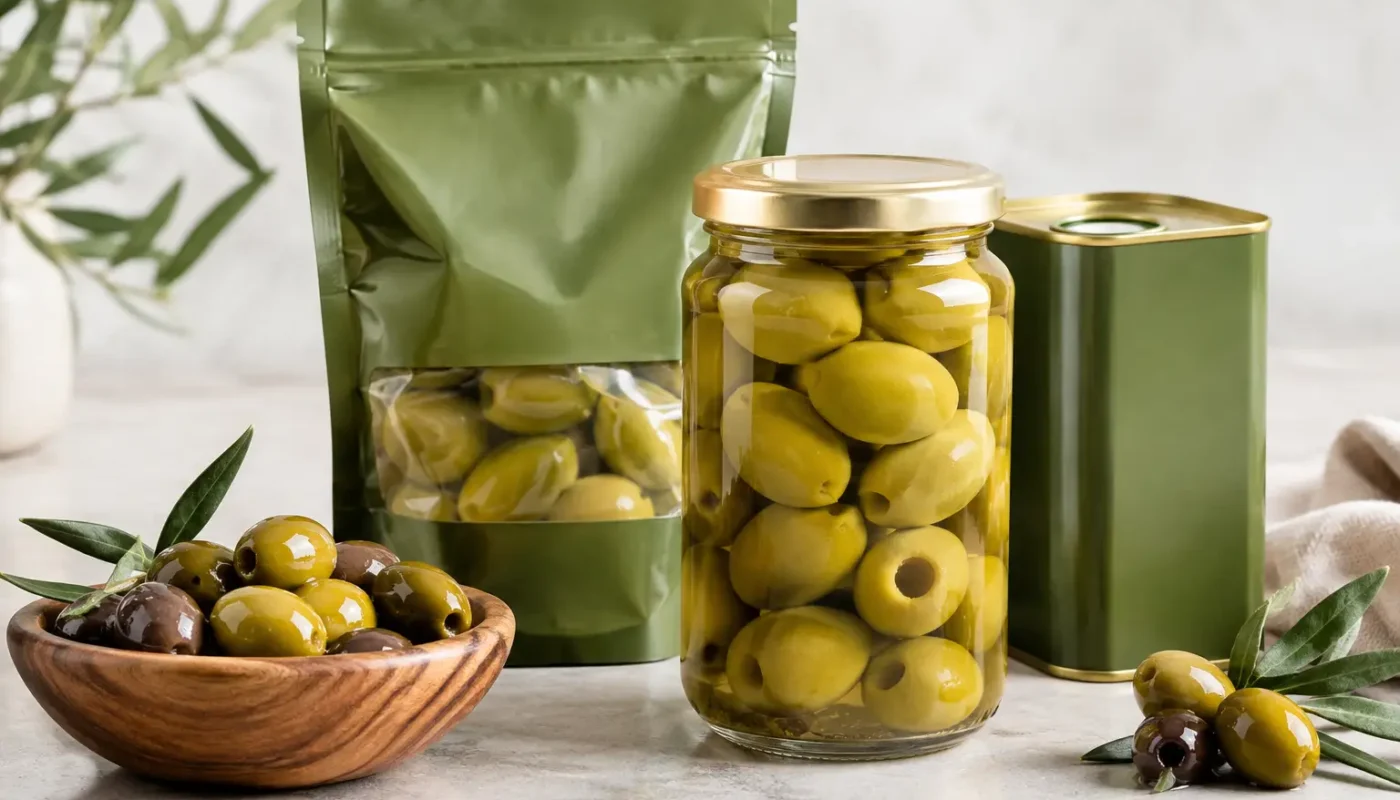
Lightweight bottles, aluminum tins, recycled-content glass, paper-based outer cartons, and refill-minded formats all have a place in the conversation. But there is no single perfect material. Glass may be widely recyclable, yet its weight can increase shipping impact. Flexible pouches use less material and can reduce transport weight, but they are not accepted in every curbside recycling program. An attractive secondary box can enhance gifting, but it should earn its place by protecting the bottle or adding a useful presentation element rather than becoming disposable clutter.
For shoppers, the most sustainable package is often one that protects the oil well enough to ensure it is fully used. Throwing away rancid or forgotten olive oil is a loss of food, farming, milling, and packaging resources all at once. Buy a size that suits your cooking habits, keep it away from the stove and sunlight, and choose a format you will genuinely use.
Labels Are Becoming a Quality Conversation
Premium olive oil labels are doing more than naming a flavor. The most useful ones help customers understand where an oil comes from, when it was harvested, and how it may taste in food. Origin details, cultivar information, harvest dates, producer notes, and sensory descriptions turn a purchase into a more confident cooking decision.
A harvest date is particularly valuable because it gives context to freshness. Olive oil does not improve with age like wine. It is generally at its liveliest closer to harvest, though storage conditions and the oil’s chemistry influence how gracefully it holds up. A best-by date can be helpful, but it is not a complete substitute for knowing when the olives were harvested and bottled.
Packaging is also becoming more expressive without becoming confusing. Color cues can help distinguish a delicate EVOO from a bold, peppery selection, while clear language can separate infused oils from naturally flavored balsamic vinegars. The goal is not to turn every bottle into a technical manual. It is to give home cooks enough information to imagine the first pour: a grassy drizzle over tomato toast, a citrus-infused oil for roasted fish, or a barrel-aged balsamic spooned over berries and vanilla ice cream.
Packaging Designed for Discovery and Gifting
Specialty food buyers often purchase with two occasions in mind: the meal they are planning and the person they hope to delight. That is why coordinated bottle shapes, sturdy gift boxes, tasting sets, and pairable oil-and-vinegar collections continue to grow in popularity.
A thoughtful set removes some of the guesswork for a new customer. Instead of choosing one unfamiliar bottle, they can experience a classic extra virgin olive oil alongside a bright white balsamic or a dark, richly layered balsamic vinegar. For experienced cooks, variety encourages more intentional pairing. A single-origin oil may shine over warm beans, while a flavored oil can bring immediate character to a weeknight marinade.
Gift packaging should still protect the product first. Look for secure inserts, caps that will not loosen in transit, and materials that reduce breakage. A gorgeous box cannot make up for an oil that has sat in bright light or arrived leaking at the bottom of the package.
What to Look for When You Buy Olive Oil
When comparing bottles, start with the basics: choose an opaque tin or dark glass when possible, check for a secure closure, and look for harvest and origin information. Then match the size to your pace of use. A smaller bottle is often the wiser premium purchase for an occasional cook, while a larger protected format can make excellent sense for a household that reaches for olive oil every day.
At Weyira Olive Oil & Vinegar, the pleasure of tasting is part of choosing well. Packaging may be your first clue, but aroma, freshness, provenance, and the way an oil fits your cooking matter just as much. Let the container protect the quality, then let the oil do what it was made to do: bring a clean, vibrant finishing touch to food worth gathering around.
