
Ultra Premium Olive Oil
A Clean Olive Oil Dispenser for Every Pour
Oct
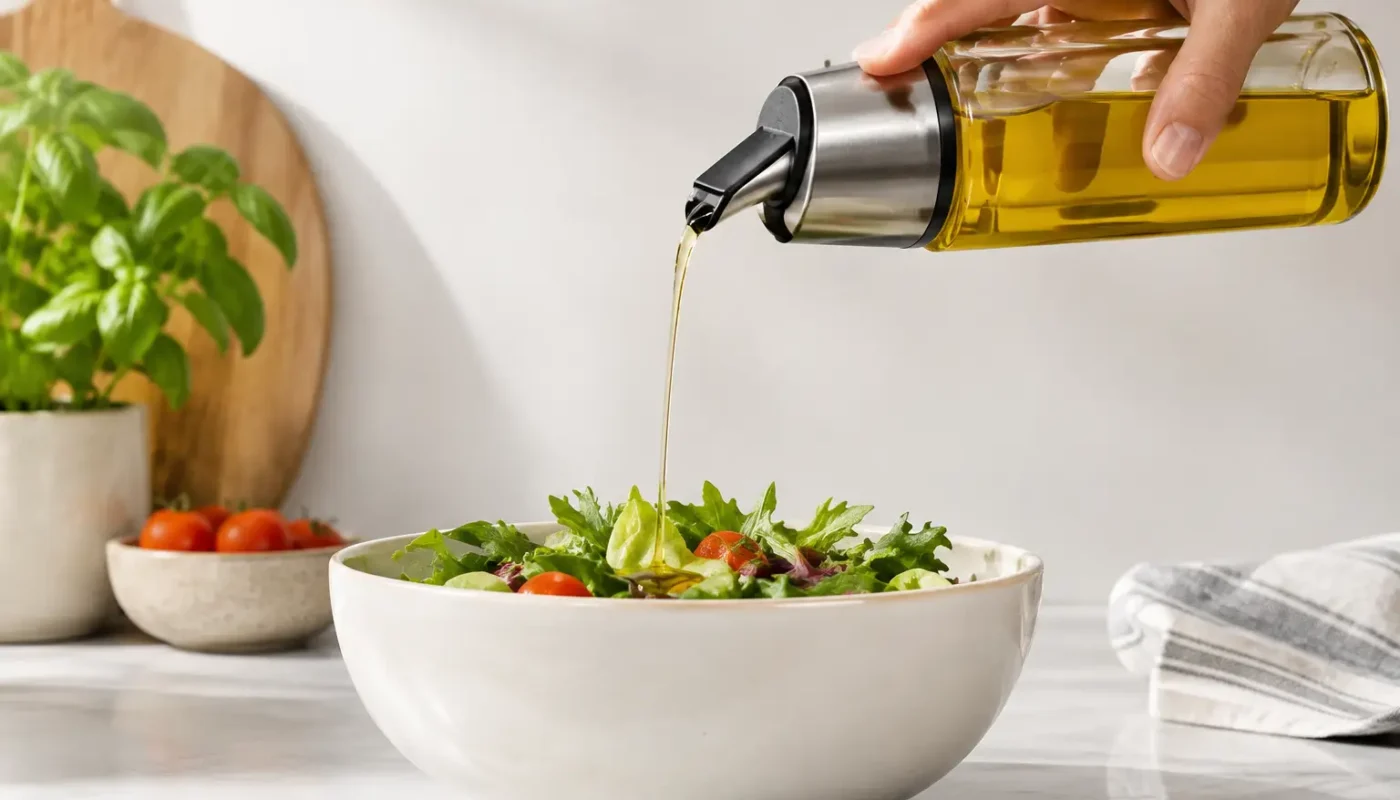
A beautiful bottle of extra virgin olive oil should make cooking more pleasurable, not leave a sticky ring on the counter. A clean olive oil dispenser does more than look polished beside the stove: it gives you better control over each pour, protects the flavor of your oil, and makes it easier to enjoy a premium EVOO every day.
The small details matter. Fresh olive oil can be grassy, peppery, buttery, herbaceous, or pleasantly bitter, depending on the variety and harvest. When a dispenser is coated in old oil, clogged at the spout, or sitting in direct sunlight, that tasting experience can quickly lose its appeal. A little attention to the bottle and the way you fill it helps preserve the quality you chose in the first place.
Start With the Right Olive Oil Dispenser
The best dispenser is not necessarily the largest or most decorative one. For most home kitchens, a smaller bottle that holds roughly 12 to 17 ounces is practical. It is light enough to handle with one hand, easy to refill, and unlikely to keep the same oil sitting around for months.
Dark glass, stainless steel, or opaque ceramic are all smart choices because olive oil’s biggest enemies are light, heat, and oxygen. Clear glass can be attractive for serving, but it is a less ideal everyday storage choice unless the bottle lives inside a dark cabinet and is refilled often. If you use clear glass at the table, think of it as a short-term serving vessel rather than long-term storage.
A well-designed pour spout also makes a difference. Look for one with a fitted cap or flap that keeps dust out and helps prevent drips. Open spouts are convenient, but they can collect kitchen residue and allow oil to oxidize faster. A stopper or cap is especially worthwhile in a busy kitchen where the bottle stays close to the range.
Why a Clean Olive Oil Dispenser Protects Flavor
Olive oil is not a permanent pantry item. It is pressed fruit juice, and its fresh aromas and beneficial compounds gradually fade with age and poor storage. Old oil left around a spout can become tacky, collect crumbs, and develop stale aromas. Each fresh pour then passes through that residue.
This does not mean you need to wash your bottle after every use. In fact, introducing moisture too frequently can create its own problems. The goal is simple: keep the exterior wipeable, keep the pour spout clear, and thoroughly clean and dry the dispenser before adding a new refill.
A clean dispenser is also a pleasure when you are cooking with several oils. Reach for a vivid, peppery extra virgin olive oil to finish grilled vegetables, a citrus fused olive oil for seafood, or a garlic-infused olive oil for a weeknight pasta. When bottles are labeled, tidy, and free from oily buildup, those flavor choices feel intentional rather than fussy.
The Best Way to Clean an Olive Oil Bottle
Wait until the dispenser is nearly empty before washing it. Pouring a fresh oil over the remnants of an older one may not ruin it immediately, but it muddies the bright character of the new oil. Use the last tablespoon or two for cooking, a vinaigrette, or a simple bread dip, then clean the bottle before its next refill.
Wash the Bottle Thoroughly
Remove the spout, cap, gasket, or stopper. Rinse the bottle with warm water, then add a small amount of mild dish soap and warm water. Shake it gently, using a bottle brush if you have one, until the interior no longer feels slick. For a narrow-neck bottle, a little dry rice shaken with warm soapy water can help loosen stubborn oil film.
Wash the spout separately. This is where residue tends to hide, especially beneath caps and around air vents. A small brush or a soft toothbrush reserved for kitchen cleaning works well. Avoid heavily scented soap, which can linger and interfere with delicate olive oil aromas.
Rinse and Dry Completely
Rinse every piece several times with hot water until there are no soap bubbles or fragrance left behind. Then comes the step people most often rush: drying.
Turn the bottle upside down on a clean towel or drying rack and let it air-dry fully. Leave the spout and cap apart so air can reach every crevice. Even a little trapped water can cloud fresh oil or shorten its best flavor window. If the bottle has a very narrow neck, allow extra time, ideally overnight.
Do not refill until you are certain the inside is dry. A clean, dry bottle is ready for oil. A clean, damp bottle is not.
Keep the Outside Neat Between Refills
The easiest routine is also the most effective. After using your dispenser, give the spout and neck a quick wipe with a clean kitchen towel. It takes seconds and prevents the familiar amber drip from becoming a sticky collar around the bottle.
If oil has run down the outside, wipe it promptly rather than waiting until the next deep clean. Oil residue attracts dust and can make a bottle slippery to handle. It also has a way of transferring to cabinet shelves, cookbook covers, and the bottom of whatever you set beside it.
For an especially polished countertop setup, keep the dispenser on a small tray, spoon rest, or washable coaster. This is helpful for high-use oils near the stove, where steam and splatter are unavoidable. Just remember that the best place for long-term olive oil storage is not beside a hot burner. Keep the main supply in a cool, dark cupboard and refill the counter bottle as needed.
Refill With Freshness in Mind
A dispenser is a working bottle, not a warehouse. Buy the quantity of olive oil you can enjoy while it is at its best, and refill the bottle in smaller batches. The right amount depends on your cooking habits. A household that uses olive oil daily may refill every week or two; occasional users may be better served by a smaller bottle.
When you refill, avoid topping off a bottle that still has old oil clinging to the bottom. Finish it first, wash and dry the dispenser, then add the new oil. This is particularly valuable when moving between oils with distinct profiles. A delicate arbequina-style EVOO should not inherit a strong garlic or chili aroma from its previous resident.
Labeling is useful if you keep more than one dispenser. Include the oil style and the date you opened it. For flavored oils, label the flavor clearly. It saves guesswork when you are building a salad dressing, brushing flatbread, or choosing a finishing oil for soup.
A Few Habits That Make a Real Difference
Avoid storing your dispenser on a sunny windowsill or directly beside the oven. Heat and light are harder on olive oil than a little countertop dust ever will be. Choose a spot away from the hottest part of the kitchen, or keep the bottle in a cabinet and bring it out while cooking.
Do not pour oil back into its original container after it has been on the table or in a dispensing bottle. Once exposed to crumbs, moisture, or food particles, it is best used rather than returned. And if the oil begins to smell waxy, musty, or like old nuts, it is time to replace it. Fresh extra virgin olive oil should smell inviting, not tired.
A dishwasher can be convenient for some sturdy glass bottles, but hand-washing is usually the safer choice for delicate spouts, painted ceramic, and fitted gaskets. Check the maker’s care guidance when you have it. The trade-off is a few more minutes of care for a dispenser that performs beautifully and lasts longer.
A clean bottle creates a small but meaningful kitchen ritual: choose an oil you are excited to taste, pour with confidence, and let its freshness show up in the final bite. Whether you are finishing tomatoes with a bright EVOO or setting out oil and balsamic for guests, that simple care makes the experience feel worthy of the ingredients.
