
Ultra Premium Olive Oil
How to Marinate Chicken With Olive Oil for Flavor
Oct
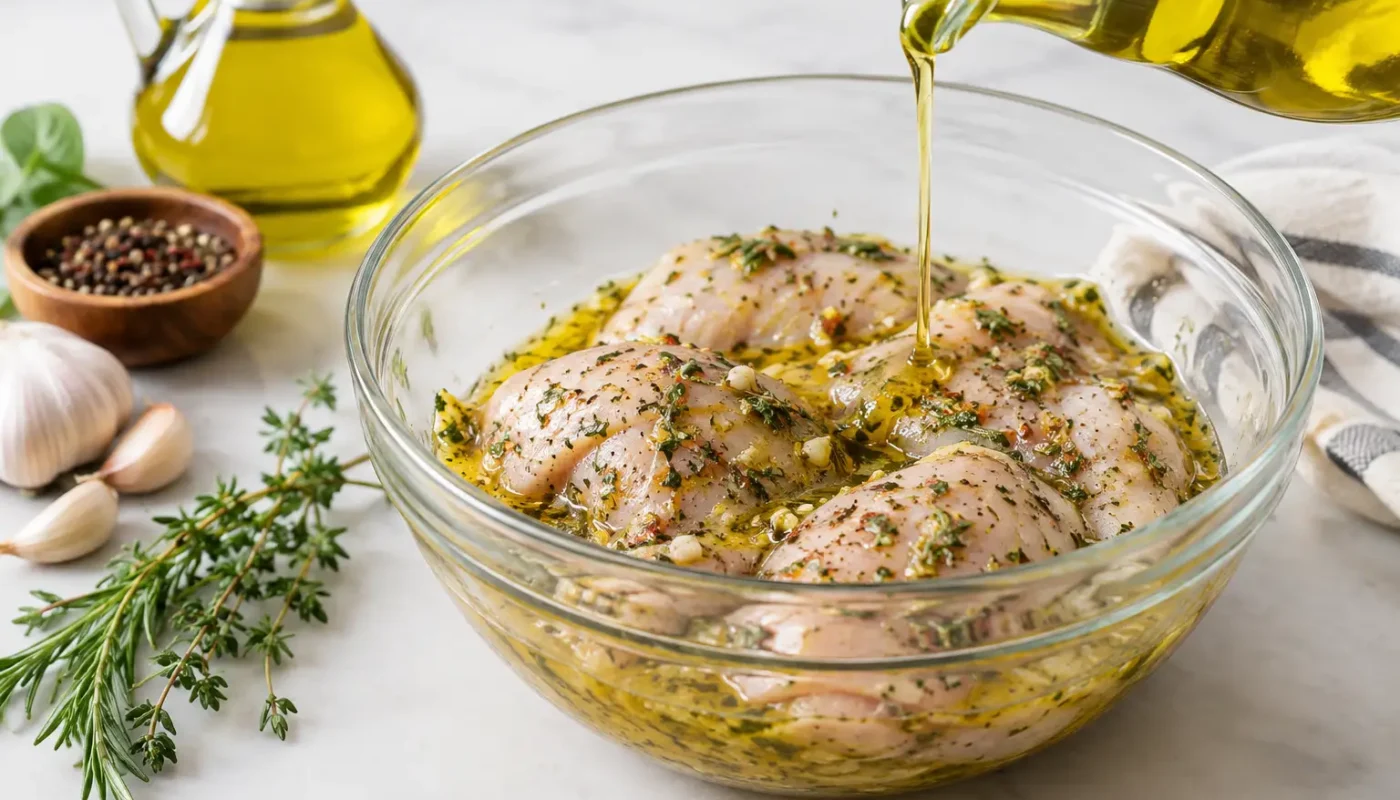
A good chicken marinade should do more than make dinner taste acceptable. When you marinate chicken with olive oil, you create a flavorful coating that carries herbs, spices, garlic, and citrus across every bite while helping the chicken cook with a beautifully golden, succulent finish. The difference is especially noticeable when you start with fresh, flavorful extra virgin olive oil rather than a flat, anonymous bottle from the back of the pantry.
Olive oil does not magically soak deep into the center of a chicken breast. What it does is just as useful: it clings to the surface, dissolves fat-soluble flavor compounds from herbs and spices, and protects the exterior from drying out over high heat. Pair it thoughtfully with salt, aromatics, and a measured amount of acid, and you have a dependable method for weeknight grilling, sheet-pan meals, and dinner-party-worthy chicken alike.
Why Marinate Chicken With Olive Oil?
Olive oil is an exceptionally good flavor carrier. Rosemary, oregano, smoked paprika, lemon zest, black pepper, and crushed garlic all release aromatic compounds that bloom in oil. As the chicken rests, that seasoned oil coats the meat evenly, so the first impression is not simply salt or acid. It is a fuller, rounder layer of flavor.
A quality extra virgin olive oil also brings its own character. A mild, buttery oil lets lemon and fresh herbs lead. A more peppery, grassy oil is wonderful with chicken thighs, grilled skewers, or Mediterranean-inspired seasoning. This is where tasting-gallery-quality olive oil earns its place in the kitchen: it is an ingredient, not just a cooking medium.
There is one useful reality check. Oil alone is not a tenderizer. Salt helps chicken retain moisture and seasons it more deeply over time, while acidic ingredients such as lemon juice or balsamic vinegar affect the exterior of the meat. Olive oil’s role is to enrich, distribute flavor, and support better browning. Each part of the marinade has a purpose.
The Best Olive Oil Chicken Marinade Ratio
For about 1 1/2 to 2 pounds of boneless chicken, begin with 1/4 cup extra virgin olive oil. Add 1 to 2 tablespoons of an acidic ingredient, 1 teaspoon kosher salt, and your preferred herbs, spices, or aromatics. This is enough marinade to coat the chicken thoroughly without drowning it in liquid.
That acid-to-oil balance matters. Too little acid can leave a marinade tasting heavy, particularly on richer chicken thighs. Too much acid can make the surface of chicken breast feel soft or slightly mushy if it sits too long. Lemon juice, red wine vinegar, and balsamic vinegar all work well, but their personalities differ. Lemon is bright and clean, red wine vinegar is savory and sharp, and dark balsamic brings sweetness and depth.
For a simple all-purpose version, whisk together olive oil, lemon juice, grated garlic, kosher salt, black pepper, dried oregano, and a pinch of red pepper flakes. Add a teaspoon of honey if you want a little caramelized sweetness, especially for grilled thighs. Be mindful with sweet marinades over high heat, since sugar can darken quickly.
How Long to Marinate Chicken in Olive Oil
Timing depends on the cut and whether your marinade includes acid. Boneless, skinless chicken breasts usually need only 30 minutes to 4 hours. They are lean and delicate, so an overnight soak in a lemon-heavy marinade is rarely an improvement.
Chicken thighs, drumsticks, and bone-in pieces can take a longer rest. Four to 12 hours gives the seasoning time to develop, particularly with a marinade built around olive oil, garlic, herbs, and a moderate amount of vinegar. If you are planning ahead, marinate them in the refrigerator before work, then cook them that evening.
For a last-minute meal, even 20 to 30 minutes helps. Salt the chicken first, toss it with olive oil and seasonings, and let it sit while the grill heats or the oven comes to temperature. The flavor will stay mostly near the surface, but that is still where browning, texture, and your first bite happen.
Build Flavor Around the Olive Oil
The beauty of olive oil chicken marinades is how easily they shift with the meal you want to make. A bright, herbaceous blend suits grilled chicken served with tomatoes and couscous. A warm spice blend can take the same chicken toward rice bowls, roasted vegetables, or flatbreads.
Try these four flavor directions when you want variety without learning a new technique each time:
- Lemon herb: Extra virgin olive oil, lemon zest and juice, garlic, oregano, parsley, salt, and pepper. Use it for breasts, skewers, or grilled chicken salad.
- Balsamic rosemary: Olive oil, dark balsamic vinegar, rosemary, Dijon mustard, garlic, and a touch of honey. This is especially good with thighs and roasted onions.
- Smoky paprika: Olive oil, smoked paprika, cumin, garlic powder, coriander, lime juice, and salt. Serve with corn, avocado, and warm tortillas.
- Garlic herb vinegar: Olive oil, a white balsamic vinegar, shallot, thyme, black pepper, and a little Dijon. Its gentle tang works beautifully with chicken and spring vegetables.
If you are using a premium infused olive oil, simplify the rest of the marinade. A garlic-infused or lemon-fused olive oil already provides pronounced aroma, so you may only need salt, pepper, a complementary herb, and a small splash of vinegar. Let the oil be recognizable rather than burying it under too many competing ingredients.
Marinating and Cooking Without Losing the Good Parts
Place the chicken and marinade in a covered glass dish or resealable bag, then turn the pieces until every surface is coated. Refrigerate promptly. A shallow dish works well for bone-in pieces; a bag is convenient for ensuring complete contact with a smaller amount of marinade.
Before cooking, lift the chicken from the marinade and allow the excess to drip off. Do not wipe it completely dry, but avoid leaving thick pools of garlic, herbs, or sugar on the meat. Those bits can burn before the chicken is cooked through. For a better sear, give the chicken a few minutes on a plate while the grill pan, skillet, grill, or oven fully heats.
Olive oil helps with color, but heat management still matters. Cook chicken breasts over medium to medium-high heat, then lower the heat or move them to a cooler zone as needed. Thighs are more forgiving and benefit from enough time for their fat to render and their edges to crisp. Whatever cut you choose, use an instant-read thermometer and cook the thickest part to 165°F.
A fresh finishing touch can make the result taste brighter than adding more marinade ever could. After cooking, try a small drizzle of fresh extra virgin olive oil, a few flakes of finishing salt, chopped herbs, or a tiny splash of balsamic vinegar. This is particularly effective with grilled chicken, where heat can mute delicate aromatic notes.
Food Safety for Olive Oil Chicken Marinades
Always marinate raw chicken in the refrigerator, not on the counter. Keep it in a nonreactive container such as glass, stainless steel, or food-safe plastic. Discard marinade that has touched raw chicken unless you boil it thoroughly before using it as a sauce.
If you want a sauce for the finished dish, reserve part of the olive oil mixture before it meets the chicken. It takes only a moment and gives you a clean, flavorful finishing sauce for brushing over cooked chicken or spooning onto vegetables. Never use the raw chicken marinade as-is at the table.
For the best flavor, choose an olive oil you would be happy to taste on its own. A fresh, well-made extra virgin olive oil brings fruitiness, pepper, and character to the marinade, then rewards you again in that final drizzle. Start there, trust your palate, and let a simple piece of chicken become the reason everyone asks what you used.
