Ultra Premium Olive Oil
Does Balsamic Vinegar Contain Alcohol in Cooking?
Aug
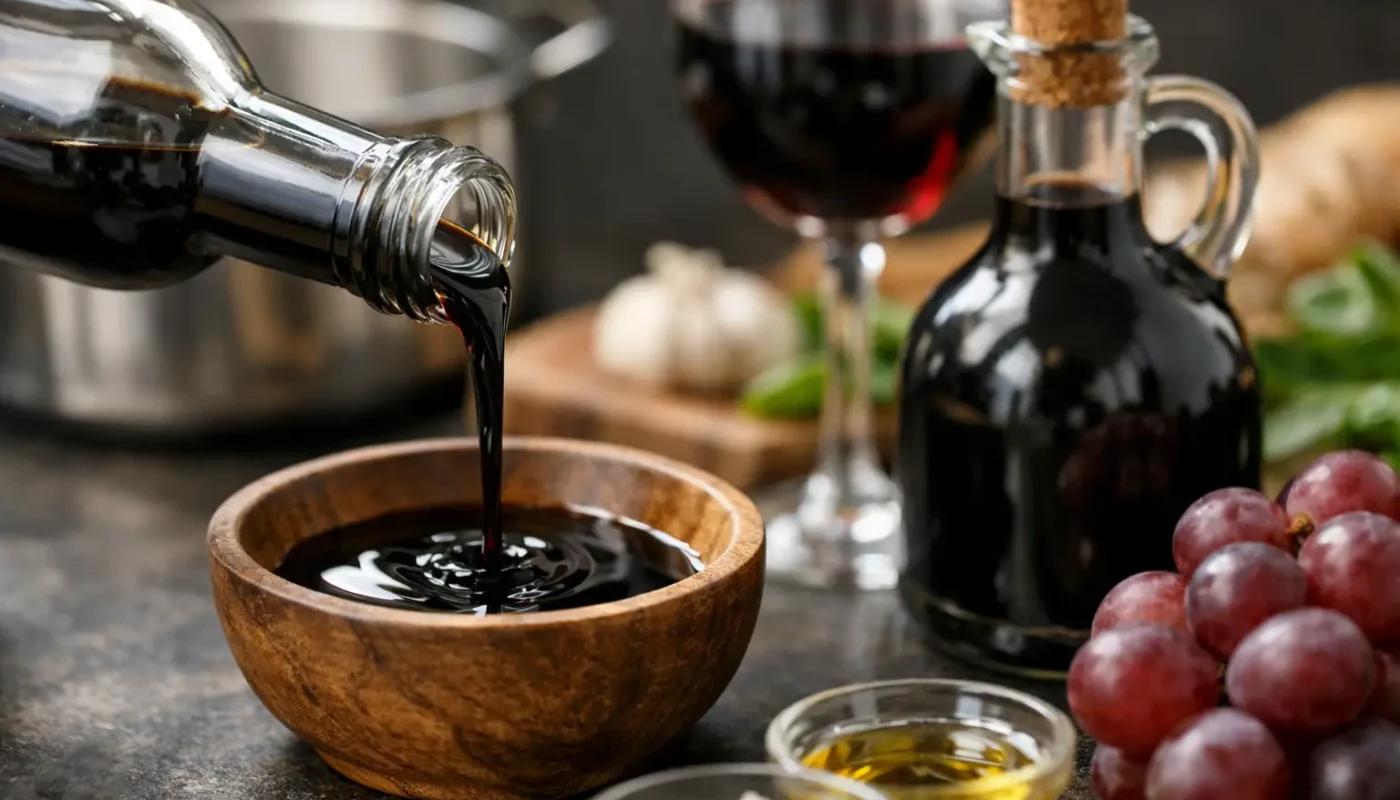
A spoonful of balsamic can taste almost wine-like: dark fruit, gentle tang, wood, and caramelized sweetness. So, does balsamic vinegar contain alcohol? Usually, balsamic vinegar is considered nonalcoholic for culinary use, but the most accurate answer is that its production begins with a fermentation process that creates alcohol before that alcohol is converted into acetic acid. Trace amounts can remain, and the exact amount depends on the product and how it was made.
For most home cooks, that distinction will not change how they enjoy a glossy balsamic glaze over roasted vegetables or a bright vinaigrette on a summer salad. For someone avoiding alcohol for medical, religious, recovery, or personal reasons, however, the details are worth understanding.
Does Balsamic Vinegar Contain Alcohol After Fermentation?
Balsamic vinegar is made from grapes, but it is not simply grape juice with vinegar stirred in. In traditional production, freshly pressed grape must – the juice, skins, seeds, and pulp of grapes – is cooked down and then aged. Natural fermentation changes some of the grape sugars into alcohol. Next, acetic acid bacteria transform that alcohol into acetic acid, the compound responsible for vinegar’s lively tartness.
That two-step process is common to vinegar-making. Alcohol is part of the journey, not the desired final character. By the time a balsamic vinegar is mature, the alcohol has largely been converted. Still, “largely” is not always the same as absolutely none. Tiny residual levels may be present, particularly because vinegar is a living, naturally variable food rather than a laboratory-made ingredient.
Traditional balsamic vinegar is aged for years in a sequence of wood barrels, often including oak, cherry, chestnut, mulberry, or juniper. Time concentrates the must and develops its signature balance of sweetness, acidity, and savory complexity. That patient process does not make it an alcoholic condiment. It does, however, explain why a fine balsamic carries aromas that can remind you of dried figs, raisins, wine, and warm wood.
Traditional Balsamic vs. Commercial Balsamic
Not every bottle called balsamic vinegar follows the same recipe. This is where labels and product descriptions become useful.
Traditional balsamic is made from cooked grape must and aged slowly. Its flavor is naturally dense and layered, so a small pour can bring depth to cheese, strawberries, grilled peaches, pork, or a simple plate of extra virgin olive oil with bread. Its acidity is polished rather than harsh, and its sweetness comes from the grapes and concentration.
Many everyday commercial balsamics are made more quickly, often with wine vinegar, grape must, and sometimes caramel color or thickeners. These products can be perfectly suitable for marinades, dressings, and weeknight cooking, but their flavor and ingredient profile may differ greatly from an aged balsamic. Since wine vinegar itself is made by converting wine into vinegar, it also begins with alcohol and generally ends with very little remaining alcohol.
A balsamic glaze deserves separate attention. Some are reduced balsamic vinegar, while others are formulated with sweeteners and thickeners for a syrupy consistency. A glaze can be delicious drizzled over caprese, grilled chicken, or vanilla gelato, but it is not automatically a marker of long aging or traditional craftsmanship. Check the ingredient list if purity, added sugar, or alcohol avoidance is a priority.
How Much Alcohol Is Usually in Balsamic Vinegar?
There is no single number that applies to every balsamic vinegar. Production methods, fermentation conditions, storage, and ingredients all affect the final result. Most vinegar contains very little alcohol, if any, and it is generally used in tablespoons or teaspoons rather than served by the glass.
In the United States, 0.5% alcohol by volume is a commonly recognized threshold in labeling discussions for products described as nonalcoholic. That figure should not be treated as a guarantee for every vinegar, and it does not mean every balsamic has measurable alcohol. It simply offers context: culinary vinegar is not comparable to wine, beer, spirits, or even many fermented beverages marketed as alcohol-free.
If you need to avoid even trace exposure, do not rely on a broad category label alone. Contact the producer and ask whether the specific product has been tested for residual alcohol, whether wine vinegar is used, and whether it is suitable for your needs. That extra step is especially sensible for people taking medications with alcohol warnings, managing alcohol-use recovery, following a strict faith-based practice, or shopping for a child with a clinician-directed restriction.
Does Cooking Remove Alcohol From Balsamic Vinegar?
Heat can reduce alcohol, but cooking does not provide a simple guarantee that every trace disappears. The final amount depends on the starting amount, temperature, cooking time, surface area, and whether the sauce is simmered uncovered.
Fortunately, this question is usually more theoretical with balsamic than it is with wine-based sauces because balsamic starts with such a low potential residual amount. Adding a splash to a pan sauce, roasting vegetables with balsamic, or reducing it into a glaze is unlikely to turn a meal into a meaningful source of alcohol for the average person.
For strict avoidance, though, “it cooks off” is not the right standard. Choose a product verified by its maker as appropriate for your dietary requirement, or use a different acid such as lemon juice, apple cider vinegar, or a certified alcohol-free alternative. You may need to adjust sweetness and intensity, since balsamic’s appeal lies in its particular sweet-tart, fruit-forward character.
Reading a Balsamic Label With Confidence
A thoughtfully made balsamic does not need a long ingredient list to taste luxurious. Look first for grape must, grape must concentrate, and vinegar or wine vinegar, depending on the style. Those ingredients signal a grape-driven condiment with real acidity and depth. They do not, by themselves, reveal an exact residual alcohol level.
If the bottle includes caramel color, sweeteners, gums, or starches, that does not automatically mean it will taste bad. It does mean the producer may be building color, sweetness, or body more quickly than aging alone would. For a finishing vinegar, where every drop is noticeable, many cooks prefer a clean, balanced balsamic that lets the fruit and barrel-aged character speak clearly.
Terms such as “aged,” “reserve,” and “balsamic-style” can be helpful, but they are not interchangeable promises of tradition. Read the full description, consider how you plan to use the vinegar, and ask questions when a specific dietary concern is involved. A lively white balsamic may be the better choice for delicate seafood and crisp salads, while a dark, richly aged balsamic can bring remarkable contrast to roasted squash, steak, or a cheese board.
When the Answer Matters Most
For everyday cooking and entertaining, balsamic vinegar is widely treated as a nonalcoholic pantry staple. Its connection to alcohol comes from fermentation, the same essential transformation that gives vinegar its acidity and preserving power. The practical question is not whether balsamic has a wine-like aroma, but whether a particular bottle meets your personal threshold for residual alcohol.
That is why quality and transparency matter. A well-made balsamic turns a few simple ingredients into something memorable: a peppery extra virgin olive oil, a warm loaf of bread, a bowl of ripe berries, or vegetables fresh from the grill. When you know how the vinegar was made, you can enjoy that flavor with the confidence that makes good cooking even more satisfying.
