
Ultra Premium Olive Oil
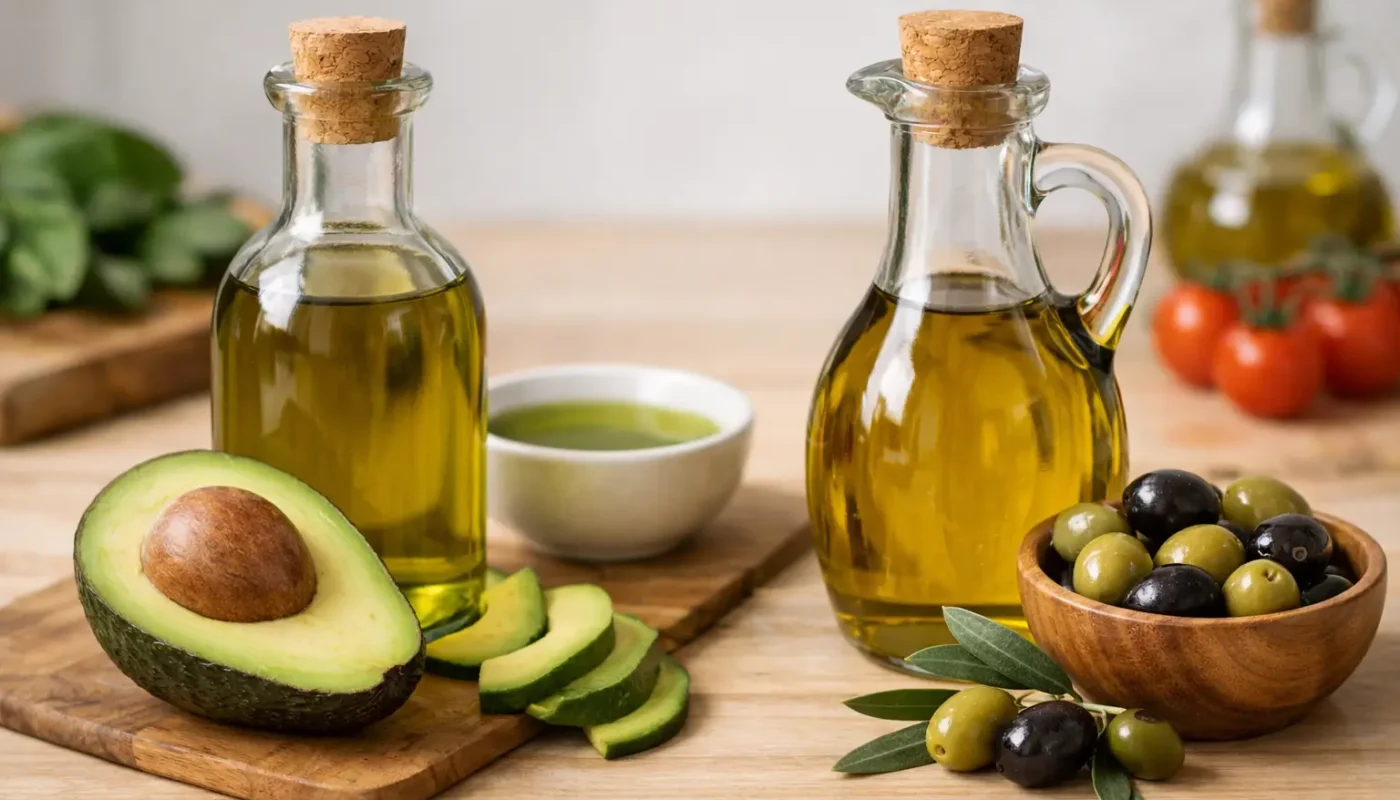
Avocado Oil vs Olive Oil for Everyday Cooking
Jul
A skillet of sizzling vegetables asks a different question than a bowl of warm bread, peppery greens, and ripe tomatoes. That is where avocado oil vs olive oil becomes more than a nutrition-label comparison. Both are excellent pantry fats, but they bring distinctly different flavors, processing styles, and strengths to the table.
For many home cooks, the best answer is not choosing one forever. It is knowing when a clean, neutral oil helps a dish shine and when a fresh extra virgin olive oil adds the bright, grassy, fruit-forward finish that makes a simple meal feel memorable.
Avocado Oil vs Olive Oil: The Essential Difference
Olive oil is pressed from olives, while avocado oil is extracted from avocado flesh. The source matters because it shapes each oil’s natural flavor, color, fatty-acid profile, and culinary personality.
Extra virgin olive oil, often called EVOO, is the least processed olive oil category and should taste alive: think fresh-cut grass, green almond, tomato leaf, artichoke, butter, or a pleasing peppery sensation in the throat. That variation is not a flaw. It reflects olive variety, growing region, harvest timing, and freshness. A well-made EVOO can be as expressive as a good wine, with a flavor profile worth choosing intentionally.
Avocado oil is usually milder. Unrefined avocado oil can have a gentle avocado-like, buttery character, but the refined avocado oil most commonly sold for cooking is quite neutral. That makes it useful when you want the ingredients, seasoning, or sauce to take center stage without a noticeable oil flavor.
Flavor Is Often the Deciding Factor
If you are building a vinaigrette, finishing grilled chicken, spooning oil over soup, or serving bread with oil and balsamic, extra virgin olive oil has a clear advantage. Its flavor is part of the dish. A delicate Arbequina-style oil can bring soft fruitiness to fish and fresh mozzarella, while a bolder, peppery EVOO stands up beautifully to beans, roasted vegetables, steak, and bitter greens.
Avocado oil is a quieter partner. Use it in a mayonnaise where you want lemon and herbs to lead, in a cake where olive oil’s character may not suit the recipe, or in a stir-fry with assertive sauces. It is also a comfortable choice for people who are easing into cooking with better-quality oils but prefer a neutral taste.
Neither approach is inherently better. The question is whether the oil should contribute flavor or simply carry heat and seasoning.
Cooking With Heat: Smoke Point Has Context
Avocado oil is often chosen for high-heat cooking, particularly when it is refined. Refined avocado oil can have a smoke point around 500 F, though the exact number varies by product and batch. That makes it a practical option for searing, grilling, high-heat roasting, and other applications where a neutral oil is useful.
Extra virgin olive oil has a lower smoke point, commonly cited in a range around 350 to 410 F. Yet it is far more capable in the kitchen than the old rule of “never cook with olive oil” suggests. Fresh EVOO works beautifully for sauteing, roasting, pan-frying, and baking at ordinary home-cooking temperatures. Its natural antioxidants can also help it hold up during cooking.
The useful distinction is simple: reach for refined avocado oil when you expect intense, sustained heat or need a neutral result. Reach for extra virgin olive oil for everyday sauteing and roasting, then use it generously as a finishing oil when you want its flavor and aroma to remain vivid.
Avoid letting either oil smoke. Once an oil is smoking heavily, its flavor deteriorates and your kitchen gets a harsh, unpleasant aroma. Heat the pan gradually, add the oil, and let it shimmer rather than haze.
How Their Nutrition Profiles Compare
Both avocado oil and olive oil are rich in monounsaturated fats, the heart-friendly fats associated with Mediterranean-style eating patterns. They are low in saturated fat compared with butter, coconut oil, and many animal fats, making either one a smart everyday choice when used in place of less favorable fats.
The finer distinction is in the naturally occurring compounds around those fats. Fresh, high-quality extra virgin olive oil is especially valued for its polyphenols, antioxidant compounds that contribute to bitterness and peppery pungency. Those sensory notes are often signs that the oil has character and freshness, not a reason to avoid it.
Avocado oil also contains beneficial compounds, including vitamin E, but refined versions generally have fewer of the delicate plant compounds present in minimally processed oils. That does not make refined avocado oil unhealthy. It simply means it serves a different role in a well-stocked pantry.
Nutrition is also about how you use an oil. A flavorful EVOO can make vegetables, beans, whole grains, and salads more satisfying, which is a practical benefit that does not fit neatly on a label.
Freshness and Processing Matter More Than the Label Alone
Not every bottle labeled olive oil is extra virgin, and not every bottle labeled avocado oil delivers the same quality. In both categories, freshness, processing, storage, and sourcing determine much of what arrives in your kitchen.
For olive oil, look for extra virgin on the label and, whenever possible, a harvest date rather than only a best-by date. Olive oil is a fresh fruit juice, not an endlessly stable pantry item. Once opened, protect it from heat, light, and air, and enjoy it regularly. A dark glass or opaque container is helpful, but a beautiful bottle cannot rescue stale oil.
For avocado oil, be especially aware of the difference between refined and unrefined products. Refined avocado oil is useful, stable, and mild, but it will not offer the same fresh character as a quality unrefined oil. Choose reputable producers and avoid buying an oversized bottle that will sit for a year if you only use it occasionally.
With any oil, a rancid aroma is a signal to move on. Think crayons, old nuts, putty, or a stale frying smell rather than fruit, herbs, or clean richness. Good oil should invite you to cook.
When Olive Oil Is the Better Choice
Extra virgin olive oil earns its place when flavor, finish, and culinary pleasure matter. It is especially rewarding in salad dressings, marinades, dips, pasta, grain bowls, roasted vegetables, soups, hummus, and simple plates of cheese, fruit, and bread.
It also belongs in many cooked dishes. Roast carrots or squash with EVOO, saute garlic and greens in it, or bake an olive oil cake with a mild, buttery profile. The result can be richer and more aromatic than a neutral oil, without becoming heavy.
For a tasting-gallery approach to the pantry, keep two styles of EVOO on hand: one mild and fruity for delicate foods, and one more robust and peppery for hearty cooking. That small choice opens up a surprising amount of flavor.
When Avocado Oil Makes More Sense
Avocado oil is especially useful for high-heat searing, wok cooking, grilling, and roasting at very high temperatures. Its neutral flavor also works well in homemade mayonnaise, spice blends, and recipes where you do not want an olive note competing with the final dish.
It can be a convenient baking oil, too. In muffins, quick breads, and some cakes, avocado oil provides moisture without shifting the flavor profile. If a recipe specifically calls for a neutral oil, it is a dependable fit.
That said, neutral is not always the goal. If you are making a lemony vinaigrette for a crisp salad or finishing a tomato bruschetta, swapping in avocado oil may leave the dish technically fine but less expressive.
A Better Pantry Strategy Than Picking Sides
A thoughtful kitchen can comfortably hold both oils. Keep avocado oil for moments when high heat or neutrality is the priority. Keep a fresh extra virgin olive oil where you can reach it easily, because the best oil is the one that encourages you to cook more vegetables, make a proper dressing, and turn an ordinary dinner into something worth lingering over.
At Weyira Olive Oil & Vinegar, we believe an oil should do more than meet a cooking requirement. Taste a fresh EVOO with bread, compare a mild and robust style, and notice how the right bottle changes a familiar recipe. Your pantry does not need a winner. It needs oils chosen with purpose and enjoyed while they are at their best.
