
Ultra Premium Olive Oil
How to Choose Olive Oil for Air Fryer Cooking
Jul
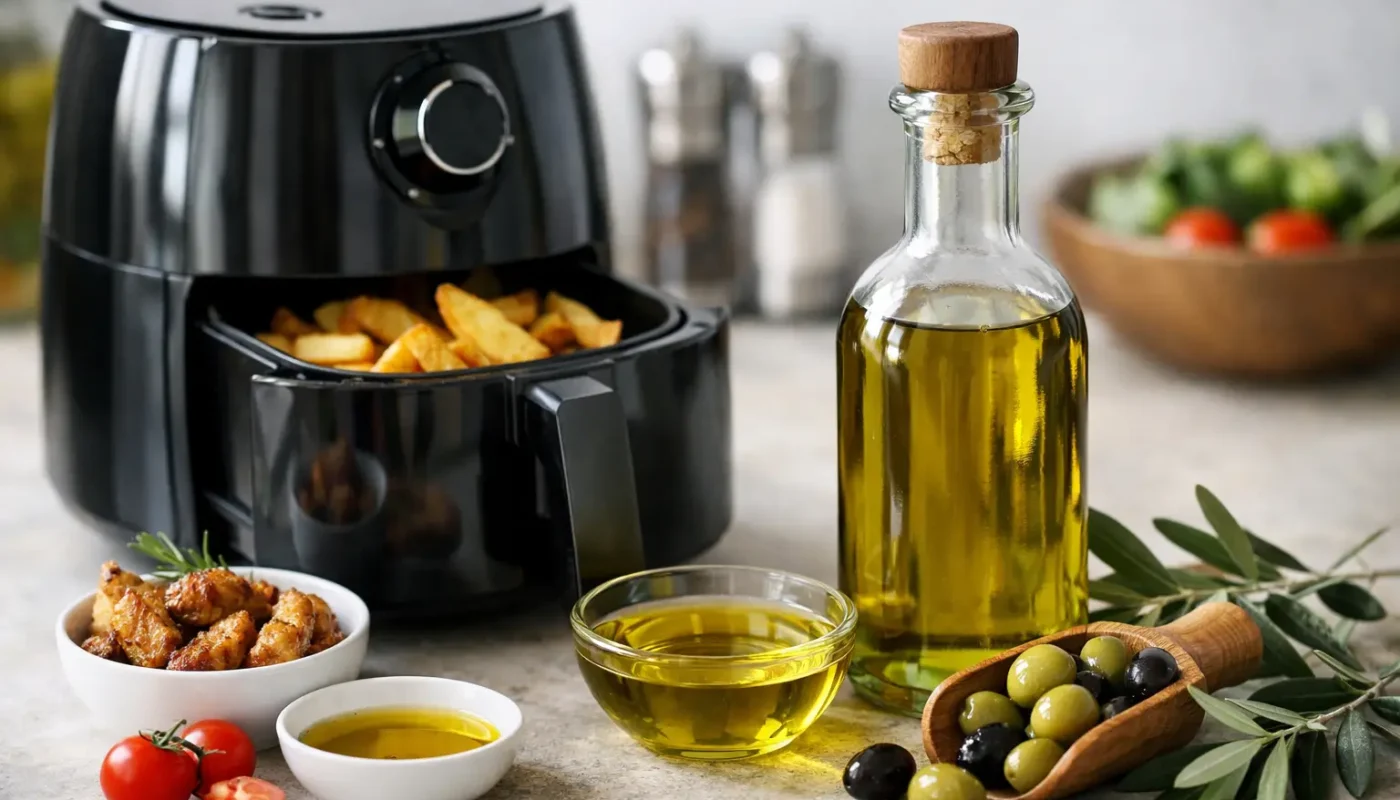
A basket of potatoes can go from pale and dry to deeply golden with just a teaspoon of the right oil. That is the everyday magic of olive oil for air fryer cooking: it helps food brown, carries seasoning evenly, and adds a clean, savory richness that makes simple ingredients taste cared for.
The air fryer is not truly frying food in oil. It is a powerful convection oven, moving hot air around the basket to crisp the surface. Olive oil gives that circulating heat something to work with. Used thoughtfully, a quality extra virgin olive oil can create crisp vegetables, juicy proteins, and beautifully roasted potatoes without leaving food greasy.
Is Olive Oil Good for an Air Fryer?
Yes. Olive oil is an excellent choice for most air fryer recipes, particularly when you cook between 325°F and 400°F. Extra virgin olive oil contains naturally occurring antioxidants and flavor compounds that make it much more interesting than a neutral cooking oil. On Brussels sprouts, chicken thighs, salmon, or chickpeas, those subtle green, buttery, peppery notes can become part of the finished dish.
Smoke point matters, but it is only one part of the story. Fresh extra virgin olive oil is well suited to common air fryer temperatures, especially for recipes cooked at 375°F or below. The exact smoke point varies with the olive variety, freshness, quality, and composition of the oil. If your recipe calls for the air fryer’s highest setting or a long cook at 400°F, choose a fresh, high-quality EVOO and keep an eye on the food. If the oil begins smoking, lower the temperature slightly rather than assuming olive oil is the problem.
A premium olive oil also rewards simple cooking. When the ingredient list is short, the oil is no longer background noise. A vibrant, well-made EVOO can bring a pleasant peppery finish to roasted broccoli or a soft, ripe-fruit note to air-fried squash.
How Much Olive Oil for Air Fryer Cooking?
Most foods need less oil than you may expect. For about one pound of vegetables, potatoes, or bite-size protein, start with 1 to 2 teaspoons. Toss the food in a bowl with olive oil and seasonings before it goes into the basket. This gives you far more even coverage than pouring oil directly over the food after it is loaded.
For a larger batch of potatoes or vegetables, 1 tablespoon may be appropriate. The goal is a light, even sheen, not a coating thick enough to pool in the bottom of the basket. Too much oil can make breaded foods heavy, prevent the exterior from crisping properly, and create excess smoke as drippings heat below.
A refillable oil mister is useful for foods that need the lightest possible coating, such as breaded chicken cutlets, tofu, or delicate fish. Choose a mister designed for pure oil and pump it enough to create a fine spray. Avoid using aerosol cooking sprays unless your air fryer manufacturer specifically says they are safe. Some sprays contain propellants or additives that may affect certain nonstick basket coatings over time.
When to Add Olive Oil
For most ingredients, add olive oil before cooking. Tossing first helps dried spices stick to the food and promotes more consistent browning. It is especially helpful for vegetables with uneven surfaces, including cauliflower florets, mushrooms, and asparagus.
There are a few delicious exceptions. Tender herbs, garlic, citrus zest, and delicate infused oils are often better added after air frying or during the final minute or two. Garlic can burn quickly under circulating heat, and a bright basil, lemon, or herb-infused olive oil may lose some of its fresh aroma during a long cook.
Try this simple approach: cook with a versatile fresh EVOO, then finish with a small drizzle of a more expressive oil. Air-fried zucchini finished with a lemon olive oil feels instantly lighter. Crispy chicken gets new dimension from a rosemary-infused olive oil. Sweet potatoes become especially inviting with a finishing drizzle of blood orange olive oil and a pinch of flaky salt.
The Best Olive Oil Styles for Air Fryer Recipes
The best choice depends on what is in the basket. A medium-intensity extra virgin olive oil is a flexible kitchen staple for everyday air fryer cooking. It has enough character to improve roasted vegetables and proteins without competing with sauces, spices, or marinades.
A more robust, peppery EVOO is lovely with hearty ingredients such as potatoes, lamb meatballs, mushrooms, eggplant, and broccoli rabe. Its bolder personality can stand up to charred edges and savory seasonings.
For foods with delicate flavor, reach for a mild, buttery extra virgin olive oil. It works beautifully with white fish, shrimp, green beans, summer squash, and homemade pita chips. A mild oil lets the ingredient lead while still creating the browning and tender texture you want.
Fused and infused olive oils offer another layer of fun. They are not always the first oil you need for high-heat cooking, but they are exceptional flavor builders. Use them for a partial coating before cooking, as long as the recipe temperature is reasonable, or reserve them for a finishing drizzle. Garlic, Persian lime, Tuscan herb, and citrus oils can turn a familiar weeknight recipe into something worth serving to guests.
Foods That Benefit Most From Olive Oil
Air-fried vegetables are perhaps the clearest case for using olive oil. The oil helps their edges caramelize while keeping their centers tender. Toss broccoli with EVOO, salt, and black pepper, then finish with grated Parmesan. For carrots, pair a mild olive oil with cumin and a touch of honey after cooking. For crisp cauliflower, use olive oil before cooking and a drizzle of balsamic vinegar once it comes out of the basket.
Potatoes need enough oil to brown, but not enough to become slick. Cut them into similarly sized pieces, rinse away excess surface starch if desired, dry them thoroughly, then toss with olive oil and seasoning. Leave room in the basket for air to circulate, and shake or turn the potatoes midway through cooking.
Chicken wings, thighs, and tenders benefit from a thin coat of olive oil because it helps the skin and seasoning brown. Pat the chicken dry first. Moisture is the enemy of crispness, and no amount of extra oil can compensate for a wet surface.
For breaded foods, use olive oil with a lighter hand. Brush or mist both sides so the crumbs can toast without becoming saturated. A quick finishing drizzle after cooking can add flavor without softening that satisfying crunch.
Common Air Fryer Mistakes to Avoid
The most common mistake is crowding the basket. Even the finest olive oil cannot crisp food if steam has nowhere to escape. Cook in batches when needed, particularly with fries, vegetables, or breaded pieces.
Another mistake is using olive oil that is past its prime. Olive oil should smell fresh and inviting, not waxy, stale, or reminiscent of old nuts. Keep bottles away from heat and direct light, close them tightly, and enjoy them while their flavor is lively. Freshness is a culinary advantage, not just a label detail.
Finally, do not treat every recipe the same. A light coating is right for asparagus; a slightly more generous toss works for potatoes. Delicate infused oils shine as finishers, while a fresh, versatile EVOO earns its place as the dependable foundation.
The next time the air fryer comes out, begin with good ingredients and a small pour of olive oil. A crisp edge, a fragrant finish, and a little more flavor are often all it takes to make an ordinary meal feel like a meal you planned on enjoying.
